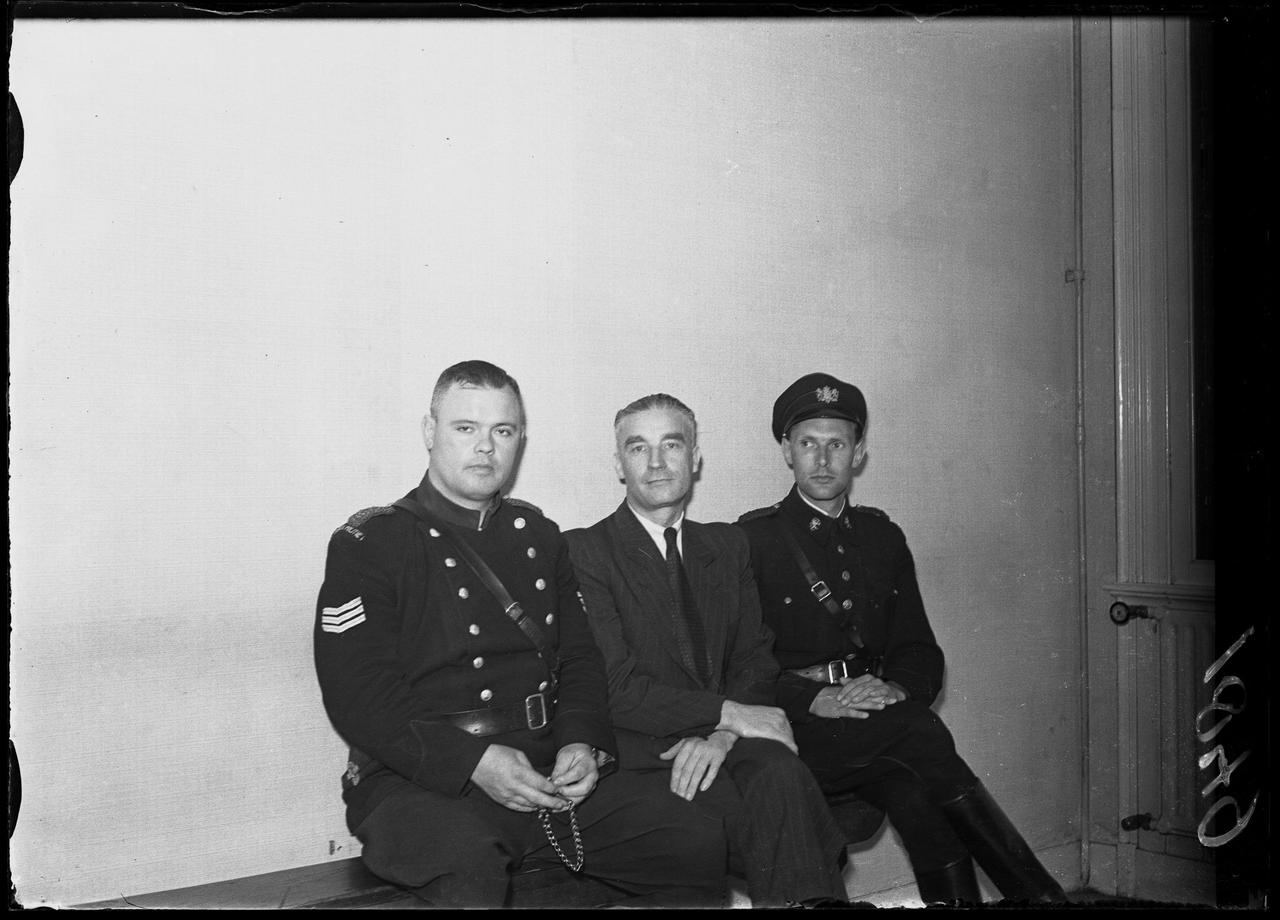
Abraham Puls
You are standing in front of Ceintuurbaan 366, and from the outside it looks perfectly ordinary. But during the Second World War, this address was anything but quiet.
From the summer of 1942, this building served as a private office for Abraham Puls, a moving company owner who turned betrayal into a business model. With permission from the German occupiers, Puls stationed his investigators here, anywhere from seven to sixty men depending on who you ask. Every day, tips poured in about Jews in hiding, and his men acted on them, rounding up people based on little more than their appearance and sending them to the Hollandsche Schouwburg, and from there to Westerbork.
Puls earned a bounty for every person captured. He also ran a thriving side business emptying the homes left behind, stripping them of furniture and belongings. The Dutch even created a word for it: "pulsen," meaning to loot a home after its Jewish residents had been deported. One victim near this spot was resistance fighter Henk Langendijk, arrested while trying to board a tram. He fell beneath it and died on the street. After the war, Puls was convicted of collaboration.
Any feedback for this story?