Algemeen Handelsblad
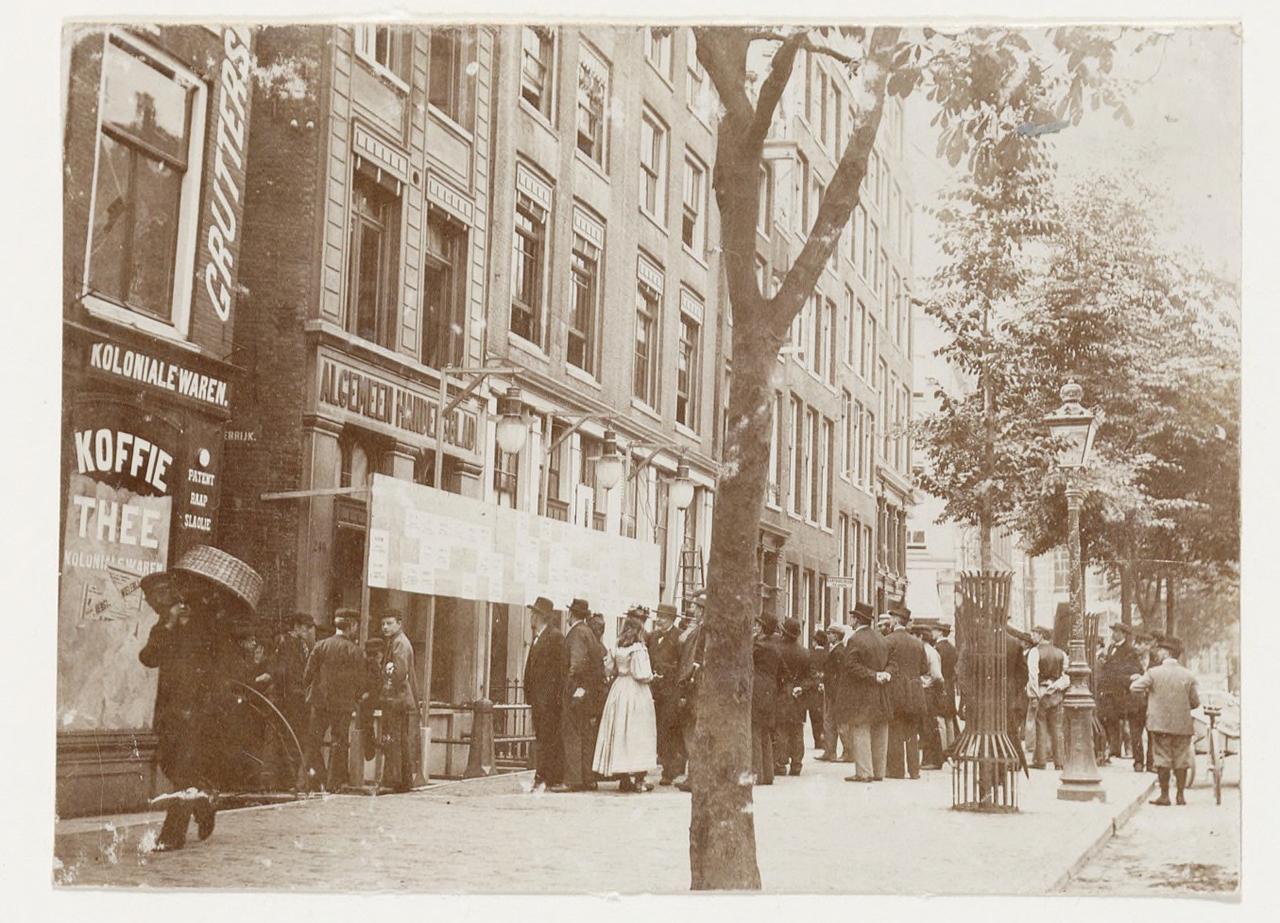
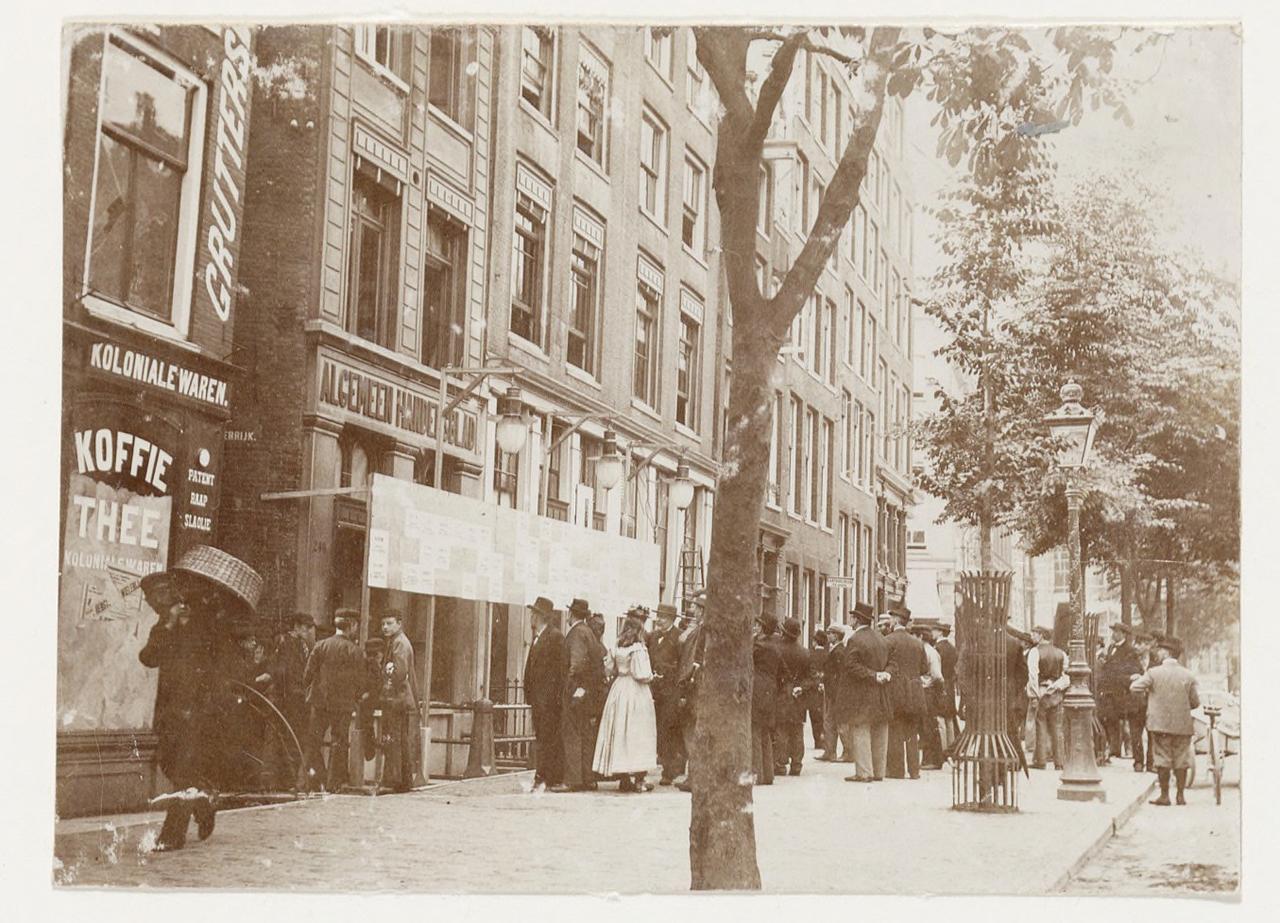
Founded by Dutch stockbroker JW van den Biesen in 1828, the newspaper's aim was to cover topics around a liberal agenda and economics, starting with the latter. A few months after its first publication, the newspaper began publishing Trade Reports, or Value Reports, to inform its readers about the country's dire economic situation. What many did not know at the time was that the Netherlands had accumulated a considerable debt after protracted wars with Britain, France and Spain in previous centuries. Worse, the Netherlands raised taxes in an attempt to pay off this debt, with grateful taxpayers doing their bit. However, these economic reports were not why the newspaper became famous; that honour came from politics. The Belgian Revolt of 1830, which saw political unrest between the Netherlands and its neighbouring country, offered the newspaper an opportunity to publish strong political messages. This type of political reporting soon became so popular that demand led to Het Algemeen Handelsblad becoming the first daily newspaper in the Netherlands!
This style of publishing was equally popular during World War II, when the newspaper published anti-German statements. This irritated the Nazis so much that Het Algemeen Handelsblad was targeted as the leading anti-German magazine in the Netherlands. After a raid on the newspaper's headquarters, its editors and Jewish staff were arrested, replaced by Germans and pro-German thinkers, leading to a very different agenda. Order was restored in 1944 when the editor resumed control of the newspaper.
From earlier times, Amsterdam acted as a crucial hub for journalism, especially in the 20th century, when almost all national dailies originated here.
Any feedback for this story?