Anton de Kom
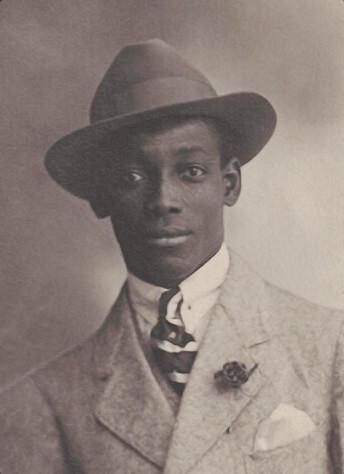
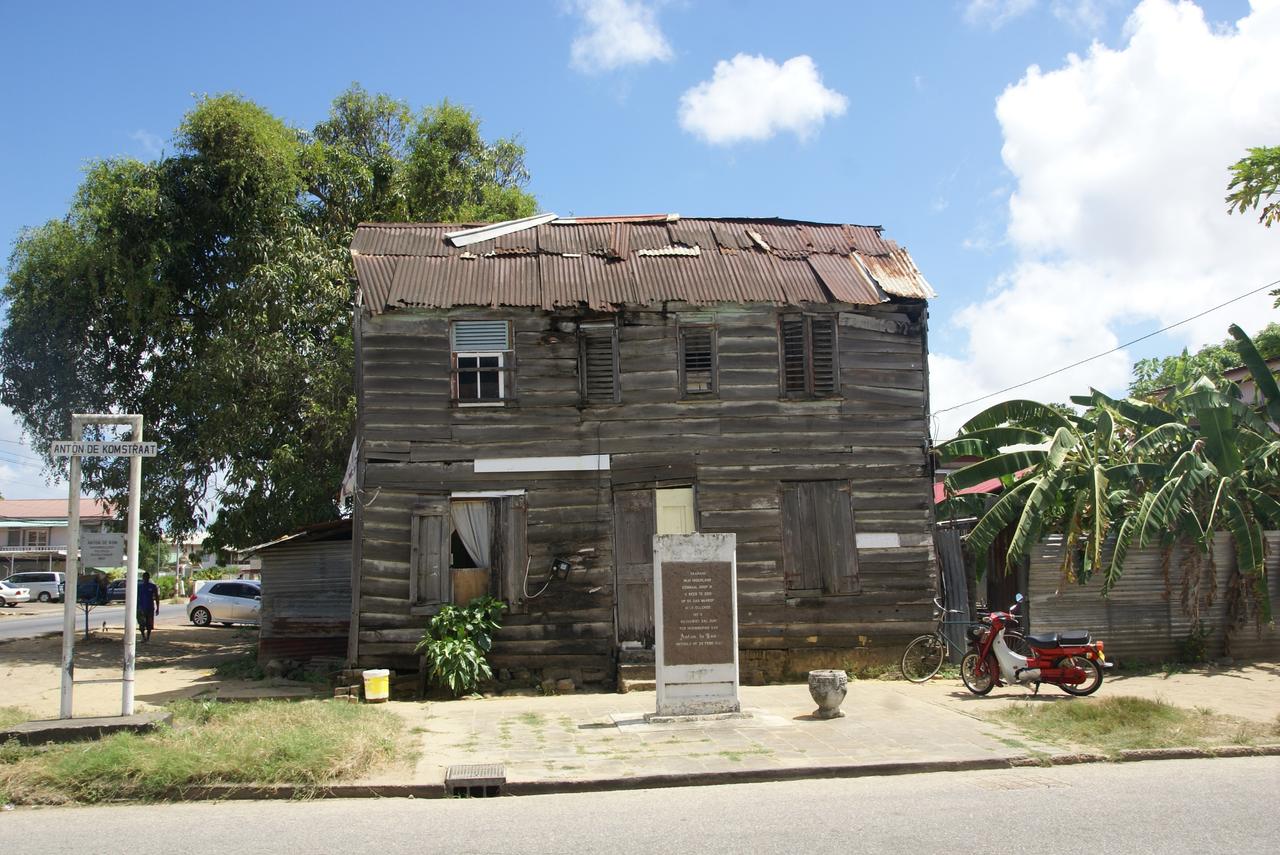
Somewhere in the streets of Paramaribo, the bustling capital of Suriname, Anton de Kom was born. This was at a time when Suriname was still under Dutch rule, and the shadow of its recent history of slavery was still palpable. His father, born a slave on the Molhoop plantation, was living proof of this troubled history. Anton obtained his accounting diploma in Suriname, but his chances of finding a good job were severely limited by discriminatory policies. He therefore decided to leave for the Netherlands in search of a better future.
In 1921, Anton set foot on Dutch soil, where he found work in The Hague with a coffee and tea merchant. Here, in the distant Netherlands, he met Petronella Borsboom. Their love blossomed, and in 1926 they were married. At a time when the Netherlands was still largely homogeneous, a mixed marriage like Anton and Nel's was considered a rarity. Together they had four children.
In addition to his daily work, Anton began to develop as a writer and poet. He felt a deep indignation about the lack of knowledge in the Netherlands about the history of Suriname and its past of slavery. He began giving lectures to raise awareness about these important issues. Inspired by the fight against racism in the United States and the principles of equality espoused by communist movements in the Netherlands, he began publishing critical political articles. He found allies among his communist friends and felt solidarity with Indonesian students who were fighting for the independence of the Dutch East Indies.
In 1932, when his mother was dying, Anton returned with his family to Suriname. There he continued his political activities, but his lectures were banned by the authorities. He set up a consultancy firm where Surinamese people from different ethnic backgrounds found their way to him, and he soon earned the nickname ‘Papa De Kom’. Concerned about the growing resistance that Anton was fuelling with his activities, the authorities imprisoned him. On 7 February 1933, a large crowd gathered outside the prison to show their support for De Kom. Soldiers opened fire, killing two people and injuring 22. This day has since become known as ‘Black Tuesday’. To prevent further unrest, Anton de Kom was banished from Suriname and had to return to the Netherlands.
He was unable to find work in the Netherlands, but his pen remained sharp. In 1934, he published his influential book ‘Wij Slaven van Suriname’ (We Slaves of Suriname), the first history book about Suriname written by a Surinamese. The book ended with a powerful chapter about his own banishment.
Unfortunately, Anton de Kom would never see his beloved Suriname again. During the dark days of the German occupation of the Netherlands, he chose to side with the resistance. He wrote for illegal communist newspapers, among other things, which resulted in his arrest by the occupiers on 7 August 1944. After a series of imprisonments, he ended up in the Sandbostel concentration camp, where he was killed on 24 April 1945.
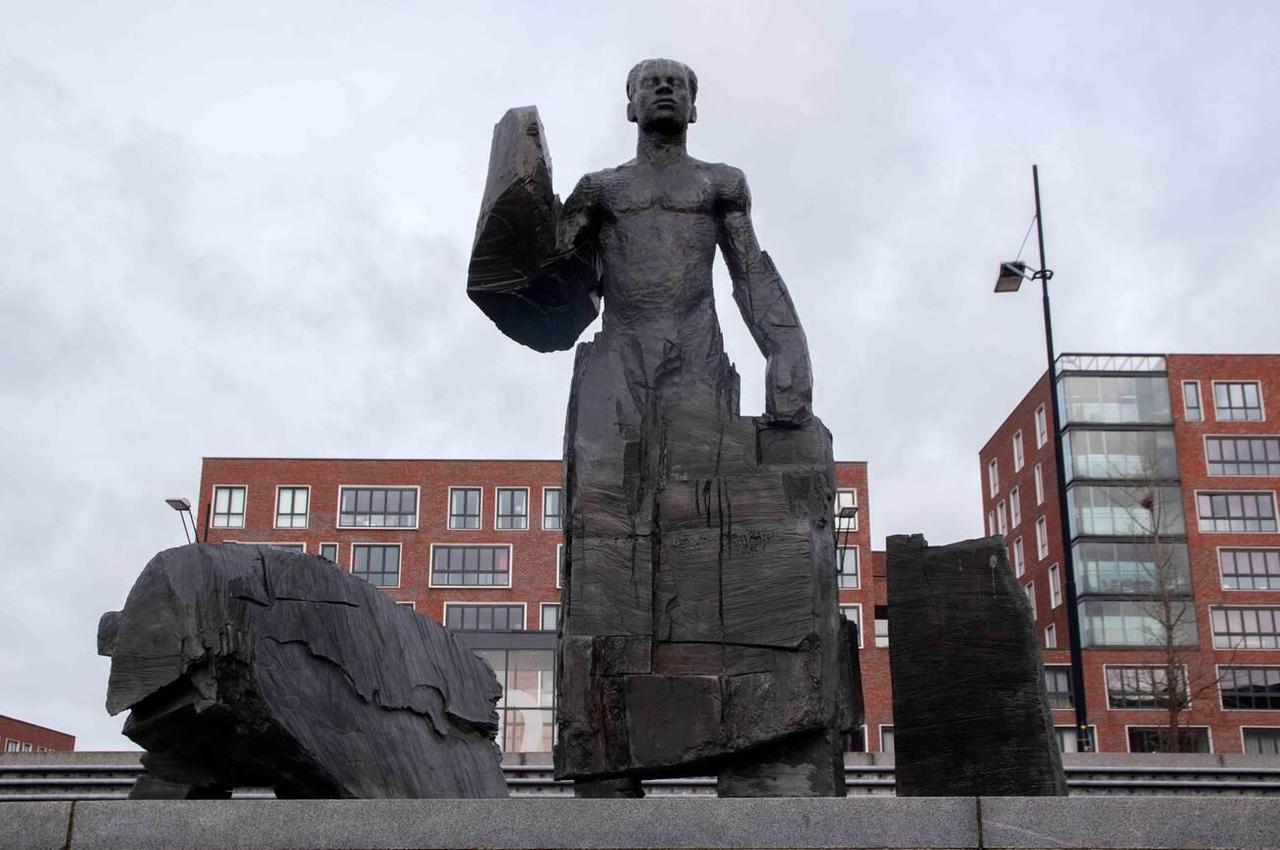
Anton de Kom remains a symbol of courage and the struggle for equality and justice. In 2020, he was included in the Canon of Dutch History, an overview of crucial topics in Dutch history. A mural honouring his legacy now adorns the Anton de Komplein in Amsterdam. On 19 June 2023, Wopke Hoekstra, the Dutch Minister of Foreign Affairs, offered official apologies on behalf of the Dutch government to the descendants of Anton de Kom, in recognition of the injustice done to him during his lifetime.
Any feedback for this story?