Asterdorp
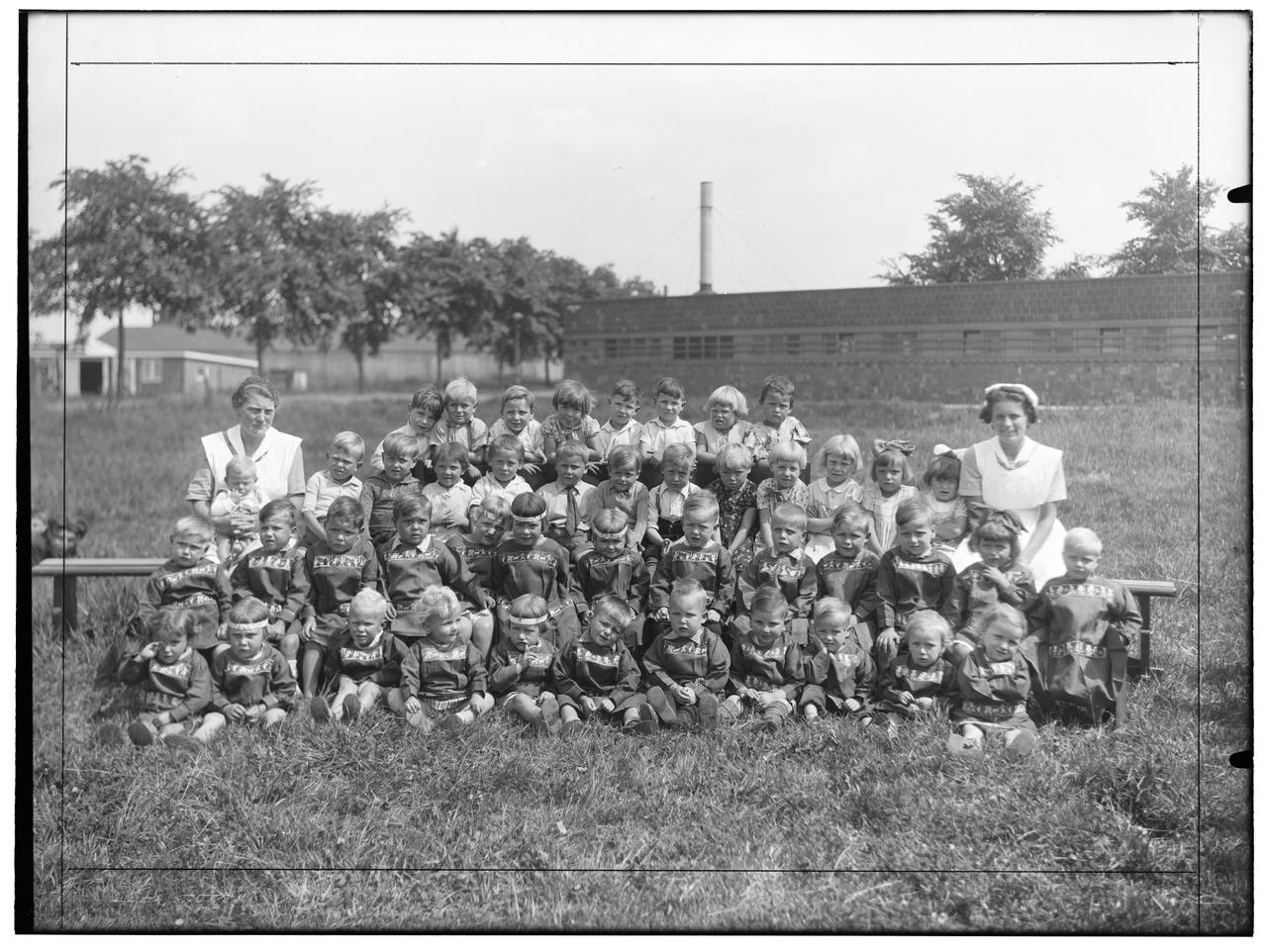
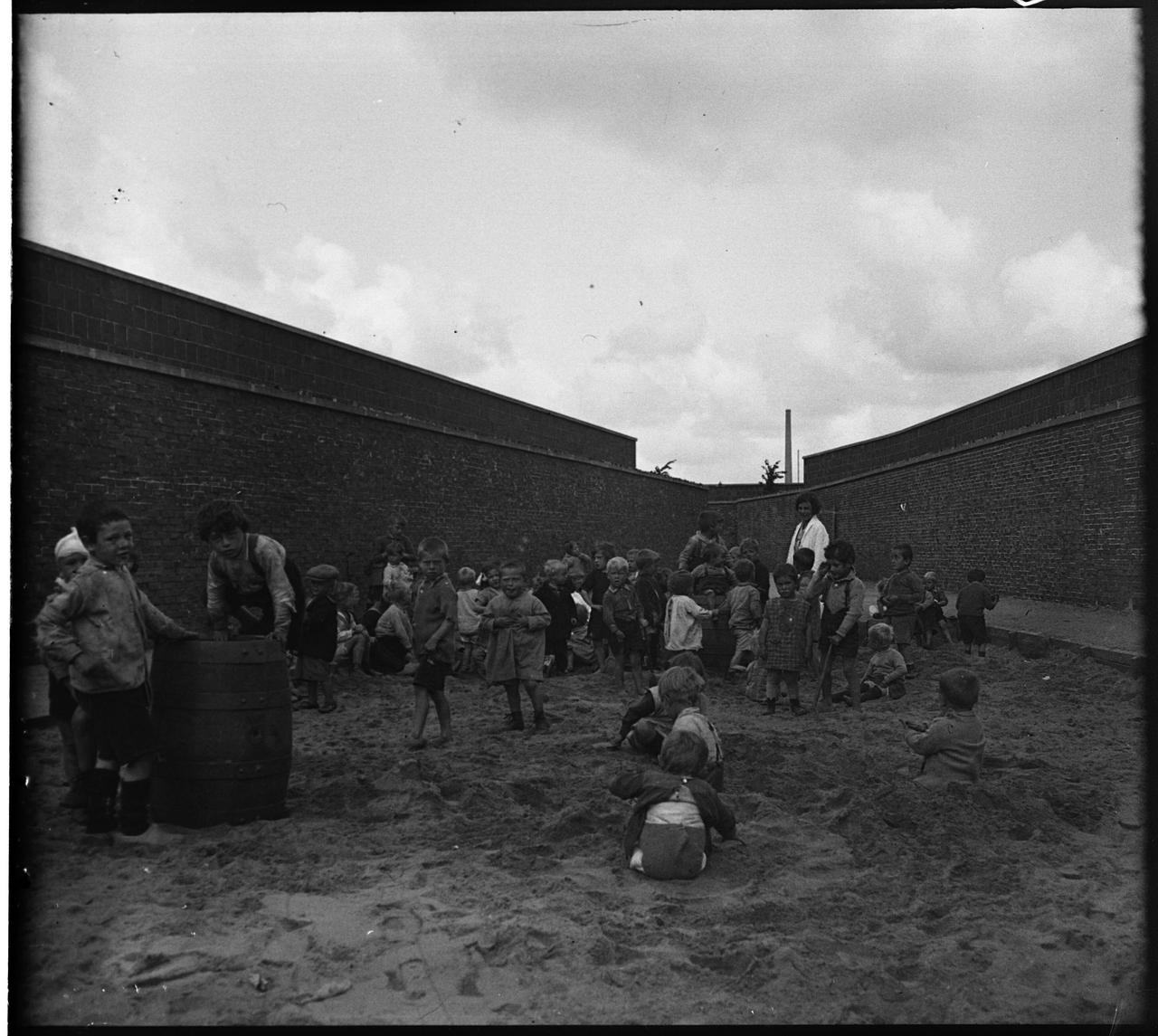
Anyone who thought that re-education camps only originated far away is wrong. Amsterdam also had a place where people were not welcome in the ordinary city - a place where poverty, "antisocial behavior" and deviation from the norm were put away: Asterdorp. Asterdorp was built in 1927 on the edge of Amsterdam-North, behind a high wall. Officially, it was called a "residential school," intended to re-educate "inadmissible families" so they could later reintegrate into ordinary residential neighborhoods.
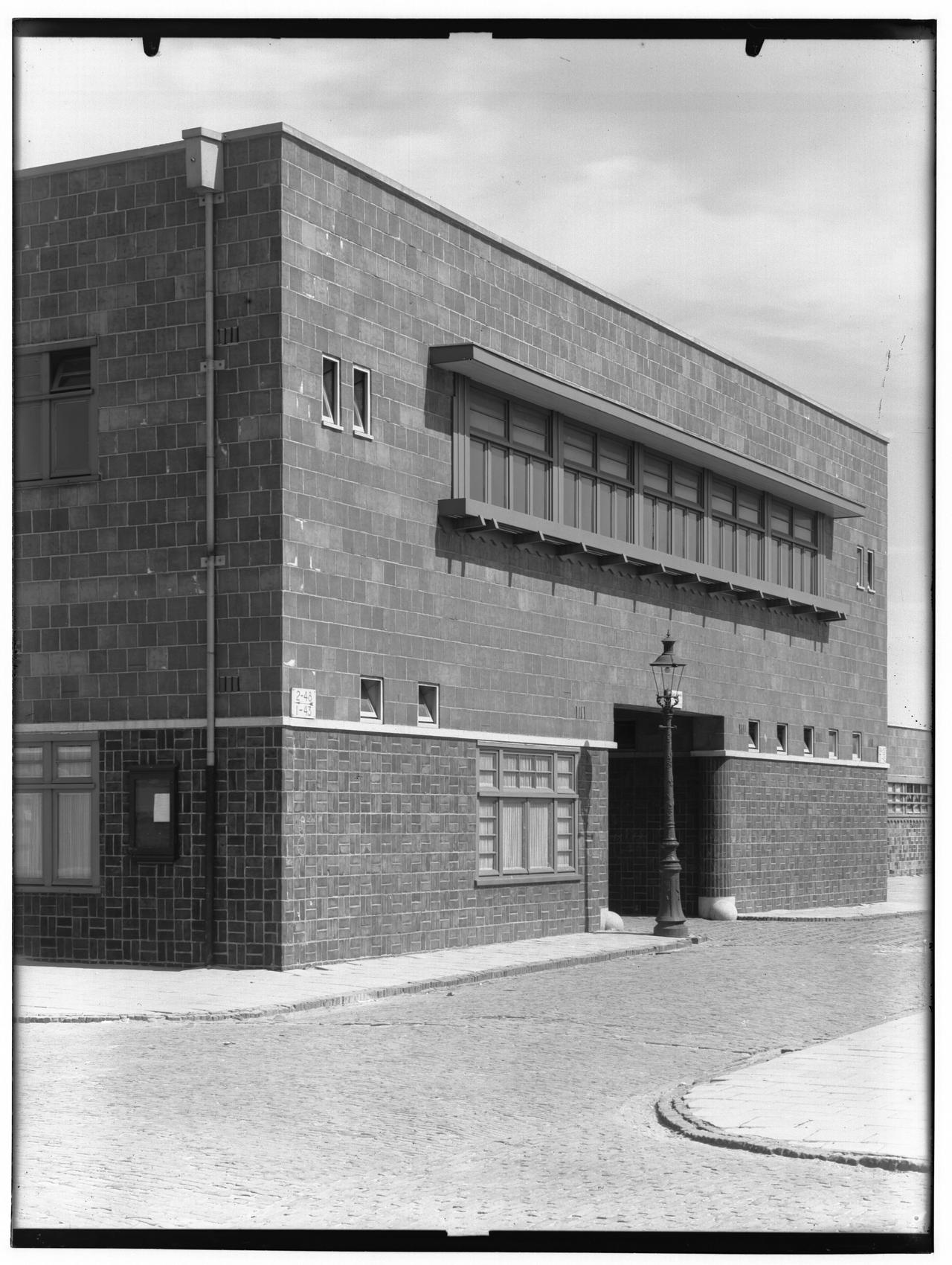
In reality, it was an isolated enclave, far removed from the city, where people were housed based on poverty, unemployment, alcohol use or deviant behavior. The houses in Asterdorp were well built - according to the Amsterdam School - but the residents had no right to privacy. They were under constant supervision of a supervisor, had rules imposed on them and were treated as second-class citizens. Their children were not allowed to attend regular schools. Asterdorp was not a neighborhood; it was an institution.
Over the years, criticism of Asterdorp grew. The idea that poverty and behavior could be "re-educated" through isolation and surveillance proved untenable. In 1940, during the occupation, the village was evacuated and given a new, even grimmer purpose: it became a transit camp for Jewish Amsterdammers on their way to Westerbork and beyond. Today there is hardly anything left of Asterdorp.
Only one house still stands there, as a tangible reminder of a forgotten chapter of social exclusion - in the middle of its own country. A chapter that shows how thin the line sometimes is between care and control, between helping and excluding. And that one building? That's the gatehouse we're standing in front of now, at Asterdwarsweg 10.
Any feedback for this story?