Blauwbrug
--:--
--:--
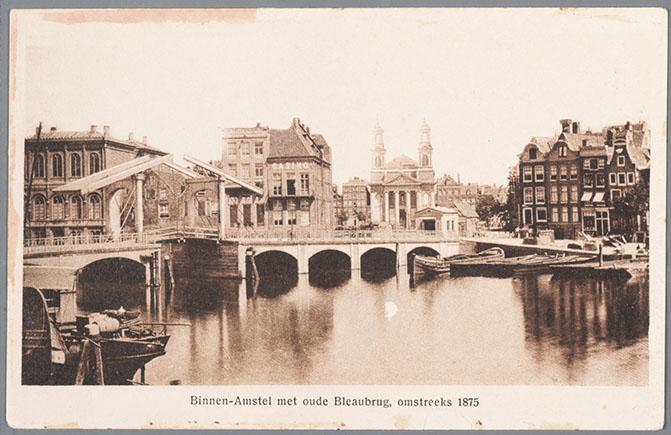
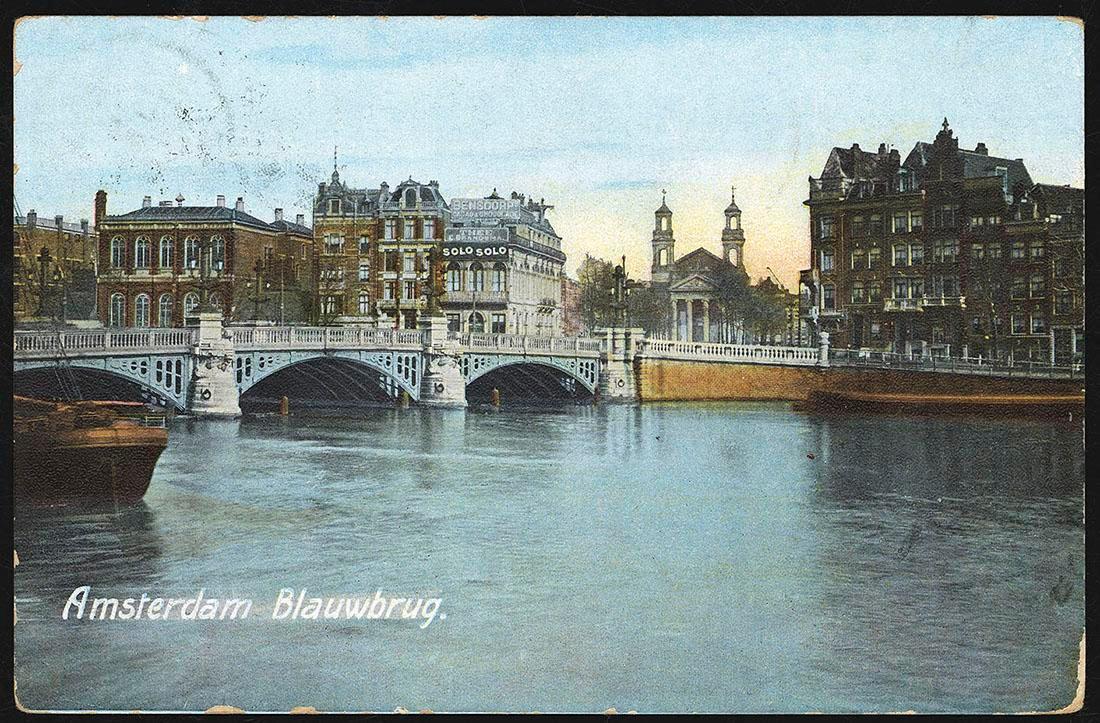
We are standing on the Blauwbrug. In Yiddish, this bridge is called the Bloubrik. The Blauwbrug was seen by some as the boundary between the Jewish and non-Jewish parts of the city. This is only partly true, as Jews also lived on the canals on the western side of the Blauwbrug.
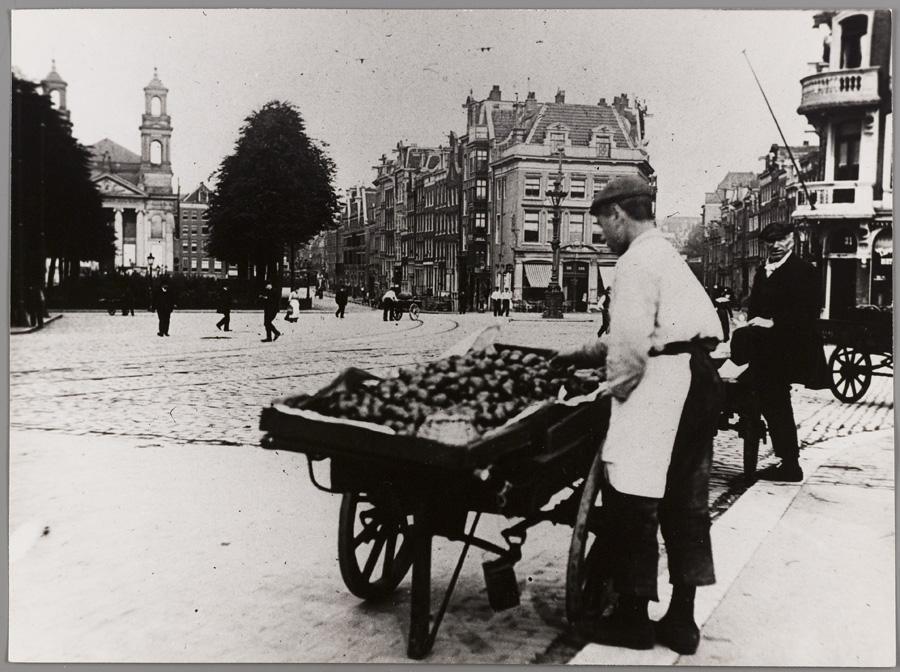
Incidentally, Amsterdam never had a neighborhood where Jews were forced to live, unlike many other European cities in the past. Furthermore, contact between the Jewish and non-Jewish population of Amsterdam was intensive. Non-Jewish Amsterdammers went in large numbers to the markets in this neighborhood. And the Jewish traders came to other markets in the city: for example, those on the Amstelveld, Albert Cuypstraat, and the Dappermarkt.
Any feedback for this story?