Colonial exhibition 1883
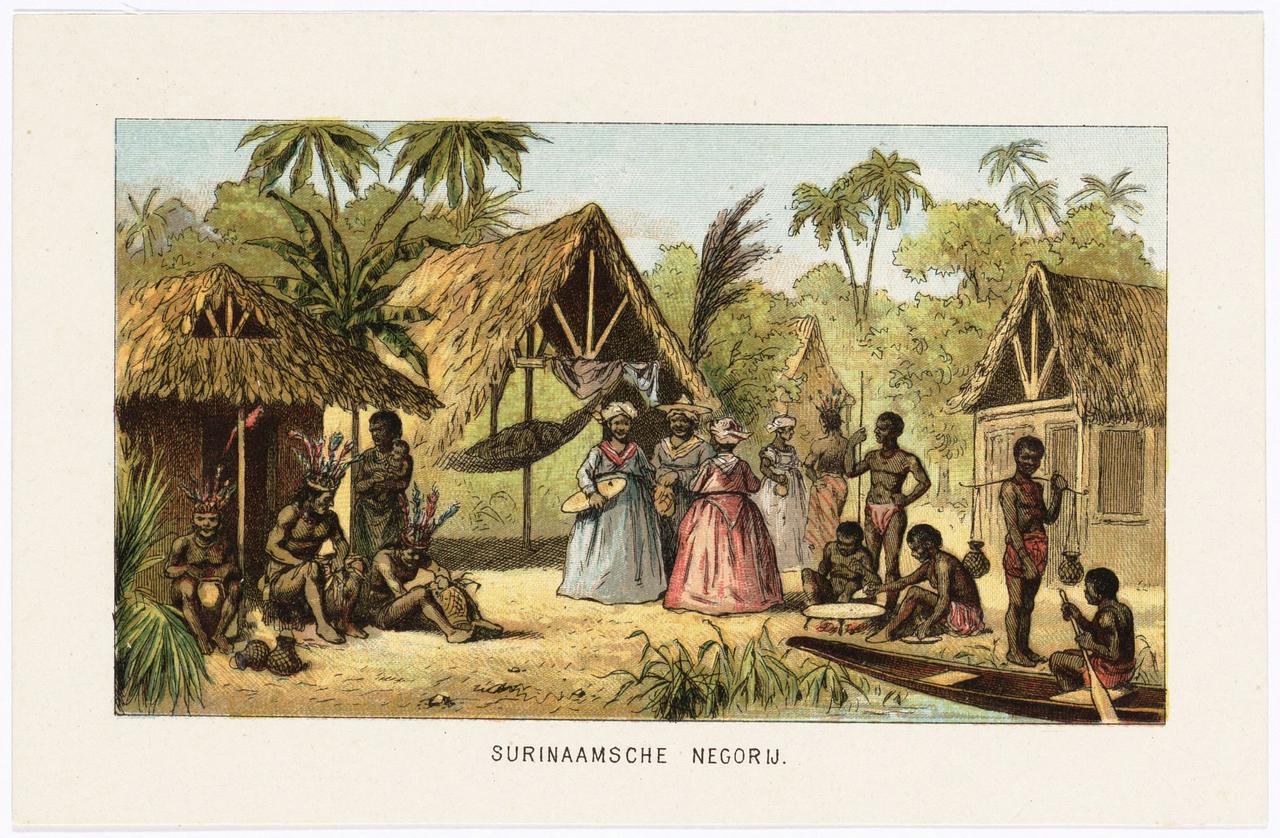
In the summer of 1883, Amsterdam hosted the International Colonial and Export Trade Exhibition on the grounds we now know as Museumplein. The event served as a showcase of Dutch trade network and colonial possessions. In addition to products from the colonies and demonstrations of industrial progress, a so-called "people's garden" was also part of the exhibition.
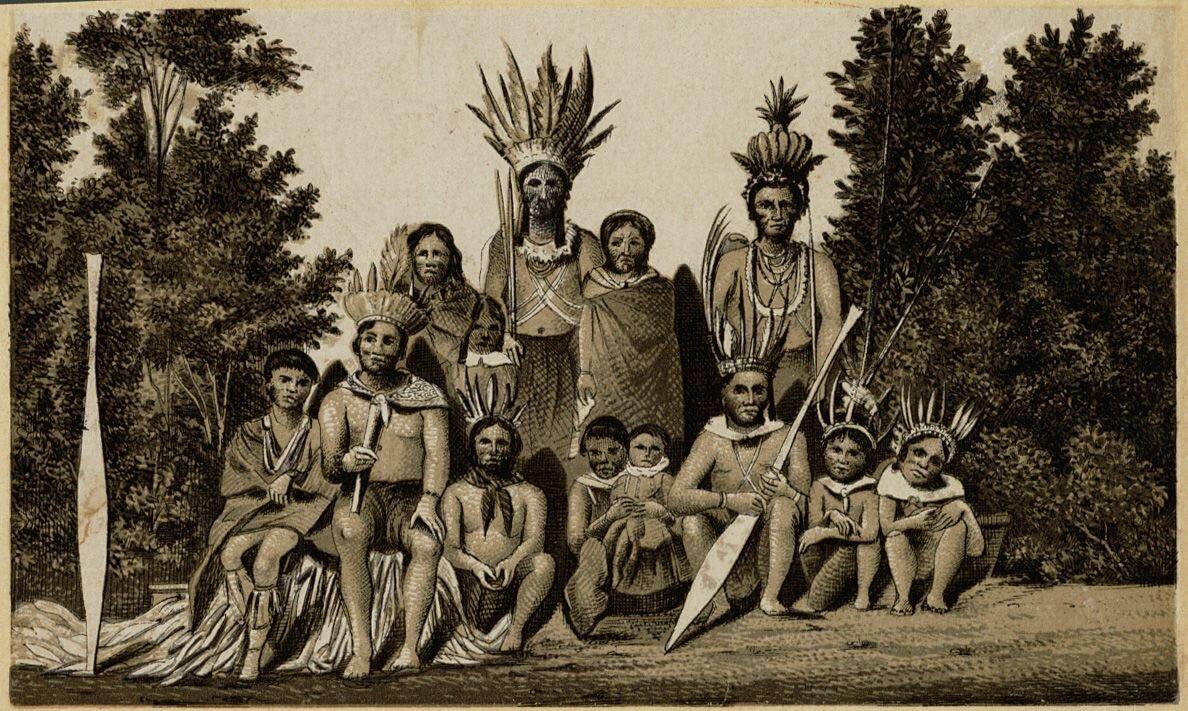
In this section, 28 people from Suriname, the Dutch East Indies and other colonies were housed in recreated villages. They had to perform daily actions that were presented as representative of their culture: cooking, displaying crafts, dancing and posing for the public. The exhibits thus became part of a living decor, intended to give visitors an "authentic" impression of colonial life. In reality, this meant that, with no real control, they were presented as sights.
The attached photo shows Jacqueline Ricket, 24, with her three-year-old daughter Lina. They were part of the Surinamese village at the exhibition. Their presence reveals that this was not merely an abstract discourse on culture and trade, but individuals - mothers, children - who were literally placed in a setting in which their humanity was subordinated to the colonial narrative.
The exhibition of people in Amsterdam was in line with similar "ethnographic villages" in other European cities during that period. Yet this particular situation marks a painful moment in Dutch history: an overt, public affirmation of colonial inequality, right in the middle of the capital.
Any feedback for this story?