Detention Centre Weteringsschans
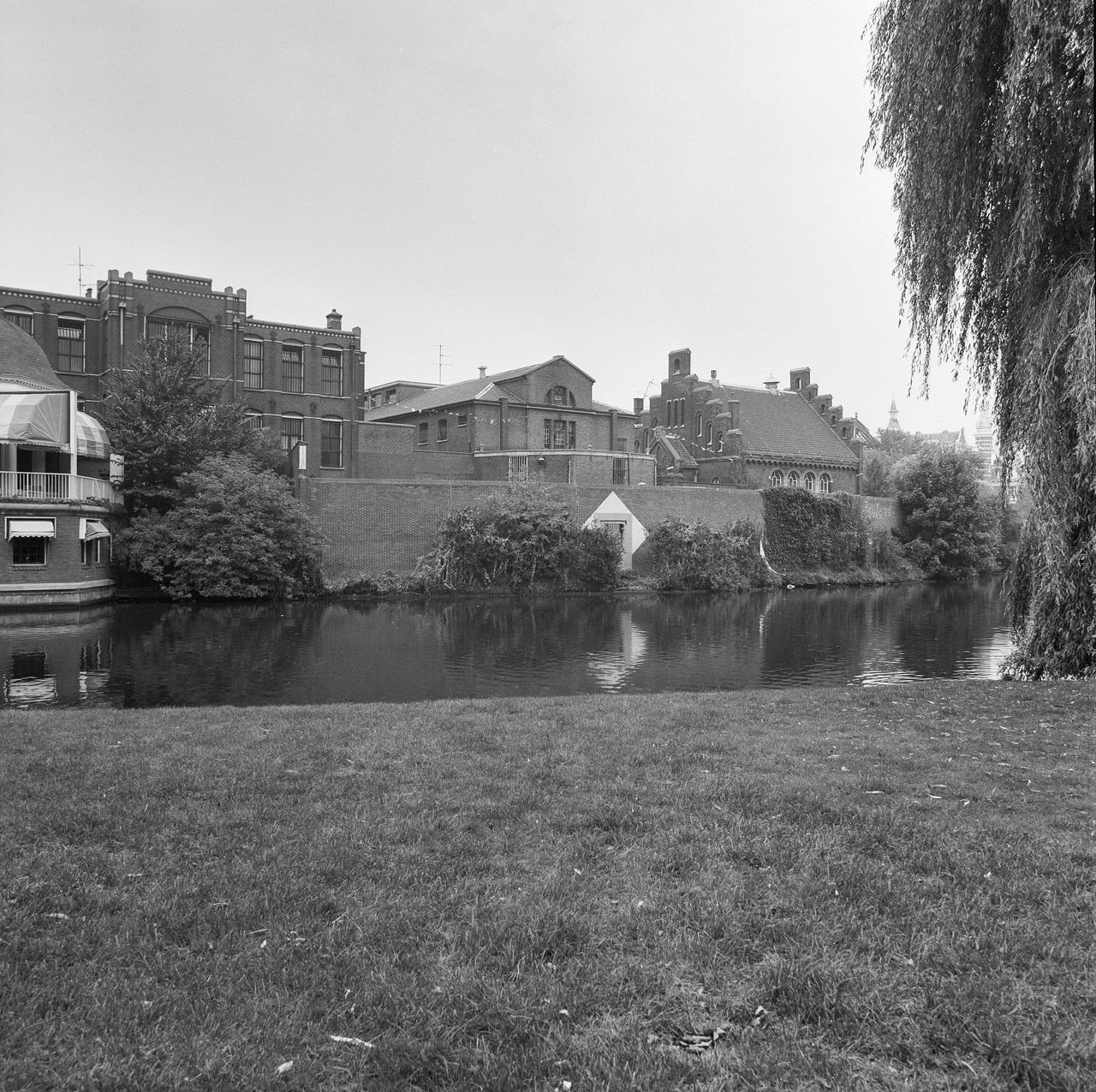
We are now standing at the former Detention Centre I at Weteringschans (Kleine-Gartmanplantsoen 14), the first cellular prison in the Netherlands, in use from 1850. Though it may look quiet today, during the Second World War this building became a notorious starting point for many victims.
Political prisoners, resistance fighters, and Jews—including Anne Frank—were detained here by the SD and Gestapo. This facility served as a gateway to deportation, imprisonment, or execution. It is estimated that 20,000 to 30,000 people passed through these gates.
In 1944, resistance members launched two raids on the prison to try to free detainees. The first attempt on May 1, 1944, led by Gerrit van der Veen, failed when he was shot by a guard dog and later arrested and executed. A second attempt followed on the night of July 14–15, led by Johannes Post. This operation also failed; the insider guard turned out to be a traitor, and though most participants escaped, Post and others were captured and executed.
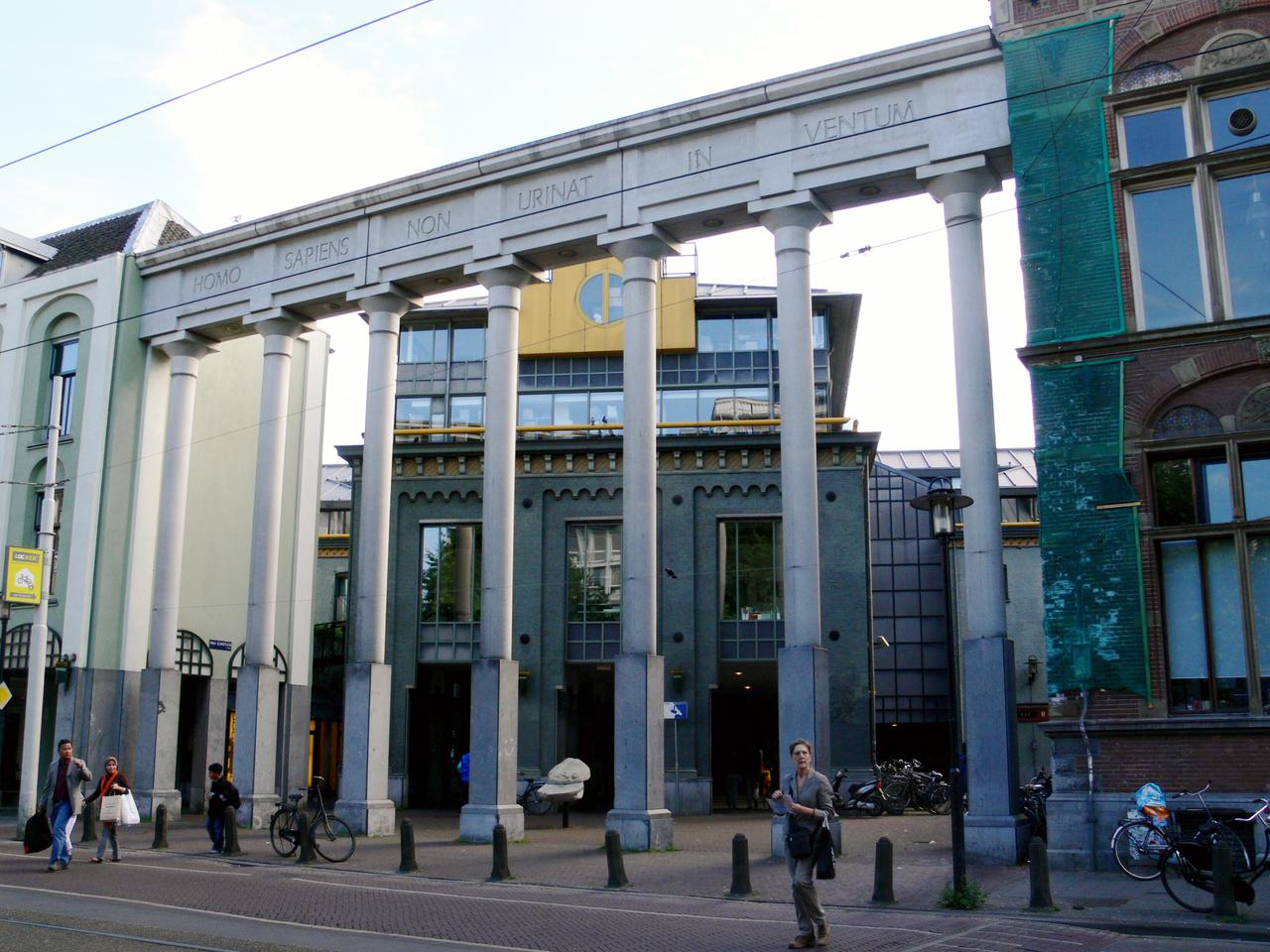
After liberation, the prison closed in 1979. Between 1990 and 1991 the complex was repurposed into offices, hospitality venues, and part of the debate centre De Balie, while preserving its original hall and wings. Today, a memorial plaque—a split erratic stone with gilded text—commemorates those held here and their hidden fight, whether they survived or perished.
Any feedback for this story?