Flevopark
The creation of Flevopark is partly due to Jac. P. Thijsse, a respected naturalist, who made an effort to create a park between the Jewish cemetery and the Nieuwe Diep river. The west side of the park borders the historic Jewish cemetery, which dates back to 1714. Although the cemetery has not been in use since 1942, most of the graves have remained untouched, in keeping with Jewish traditions.
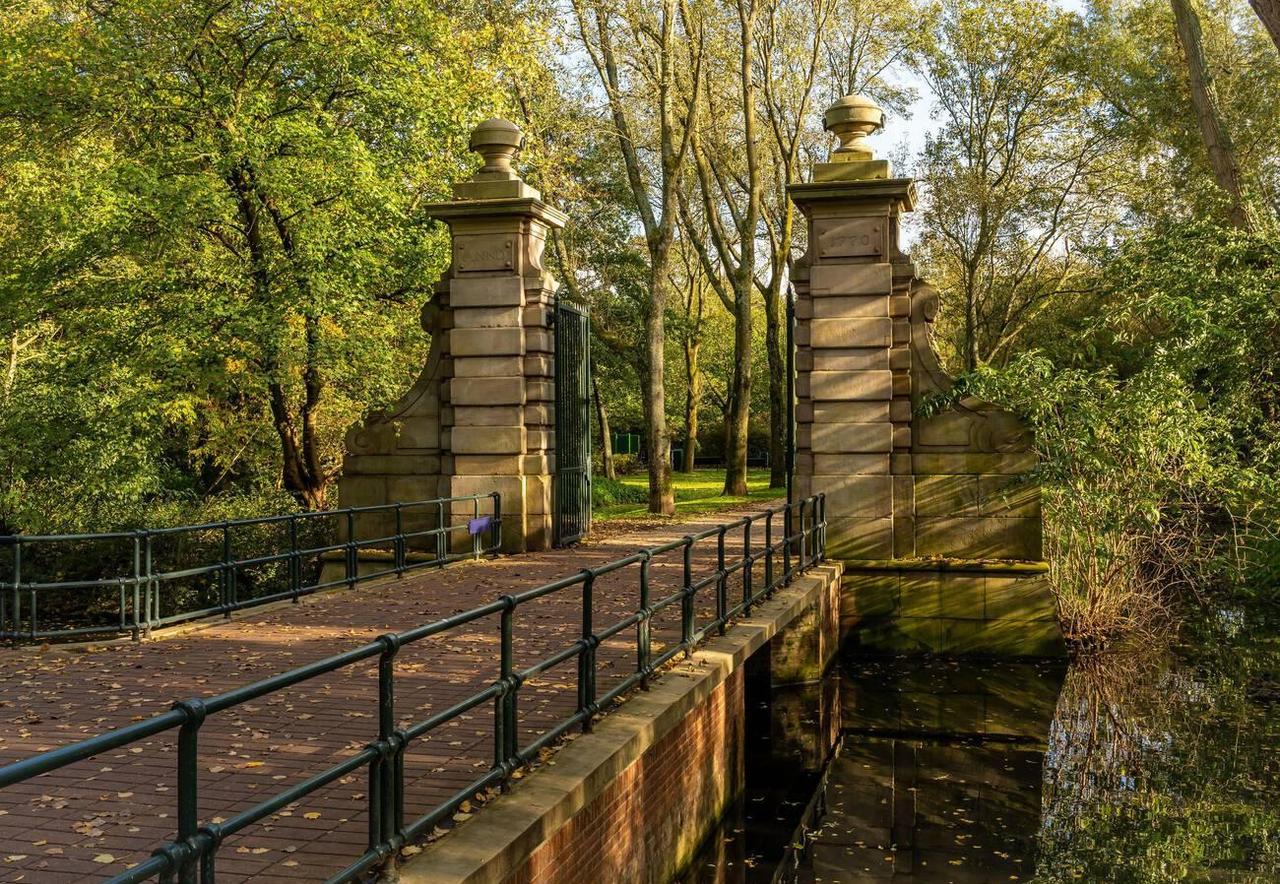
The western entrance to the park is marked by an old entrance gate originally known as "the Hekkepoort" and dating back to 1770. This gate originally stood near the city border at the Muiderpoort, but was later removed and kept at the Tropenmuseum due to the expansion of the city. After the development of Flevopark, the gate was rebuilt in its current location while retaining the original stones, creating a historic and distinctive gateway to the park.
Within the park, the old pumping station, which dates back to 1880, now houses a café, where visitors can enjoy a relaxing environment and views of the park while enjoying a drink. With its rich history, varied amenities and unique cultural and natural elements, Flevopark remains a popular destination for locals and visitors alike.
Any feedback for this story?