Hendrick de Keyser
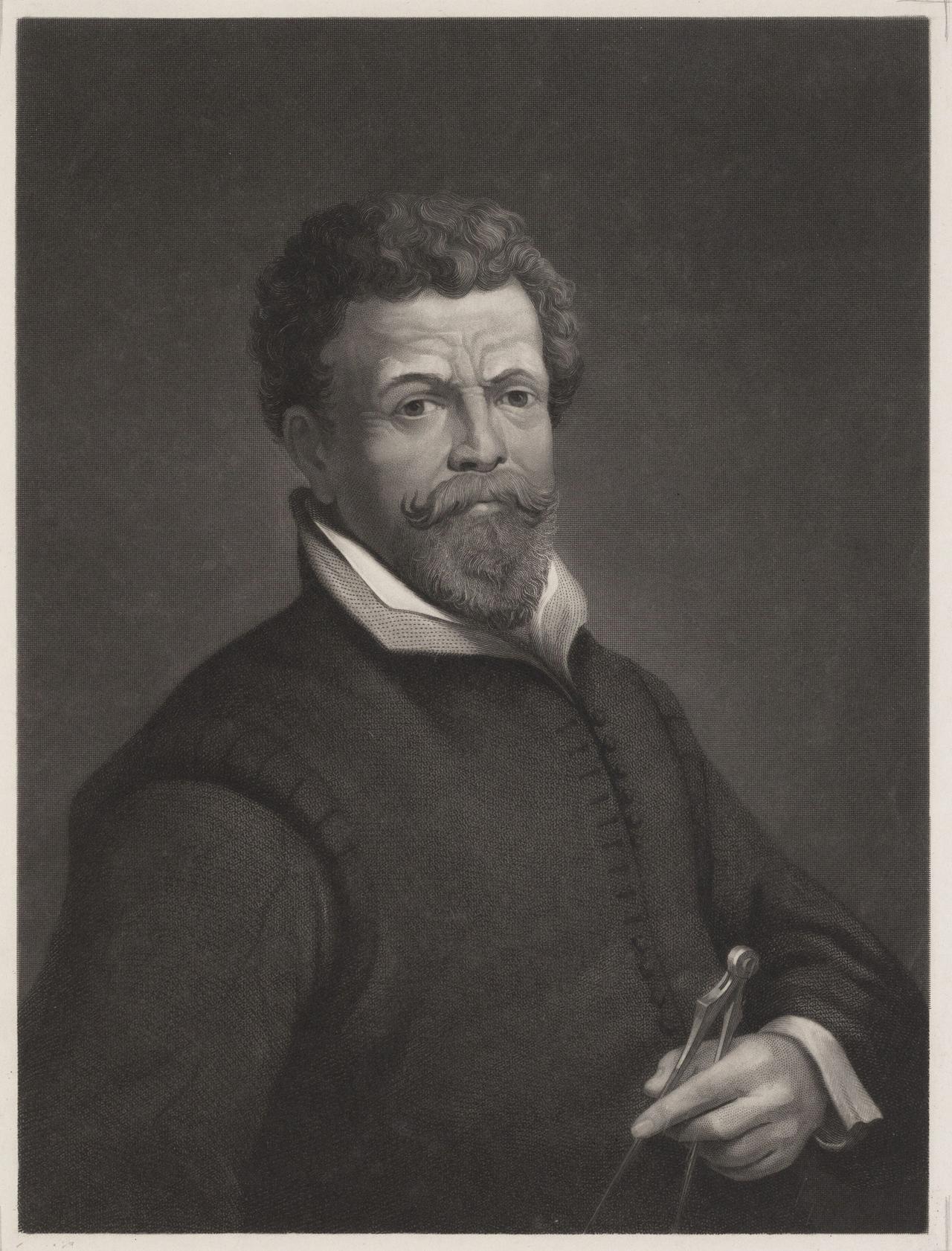
Hendrick de Keyser, born in 1565, was undoubtedly one of the most important Dutch sculptors and architects of his time. His work marked a transition between the style of the Dutch Renaissance and Classicism of the 17th century. This caused both confusion and inspiration among people, leading to a mixture of indignation and admiration. These reactions brought him into the limelight and eventually led to his appointment as the city of Amsterdam's leading stonemason and sculptor.
In 1612, De Keyser began creating and designing his most famous architectural works. Focusing on churches, he designed the Zuiderkerk, the first Protestant church in the Netherlands; the Oost-Indisch Huis; and perhaps his most impressive structure, the Westerkerk.
De Keyser was loved by many, so it was no surprise that he was commissioned to craft the tomb for William of Orange. He was inspired by the paintings of Frans Hals and spent several years on the tomb before William could be officially interred.
Hendrick de Keyser's legacy did not fade easily. His sons followed in his footsteps and became prominent sculptors and painters. They drew inspiration from their father's work, but also developed their own unique styles. These styles can still be admired in private art collections and exhibitions. The work of De Keyser and his sons remains an important part of the Dutch cultural heritage, where their creations have stood the test of time and continue to inspire.
Any feedback for this story?