Herengracht 598 - Home of Samuel Sarphati
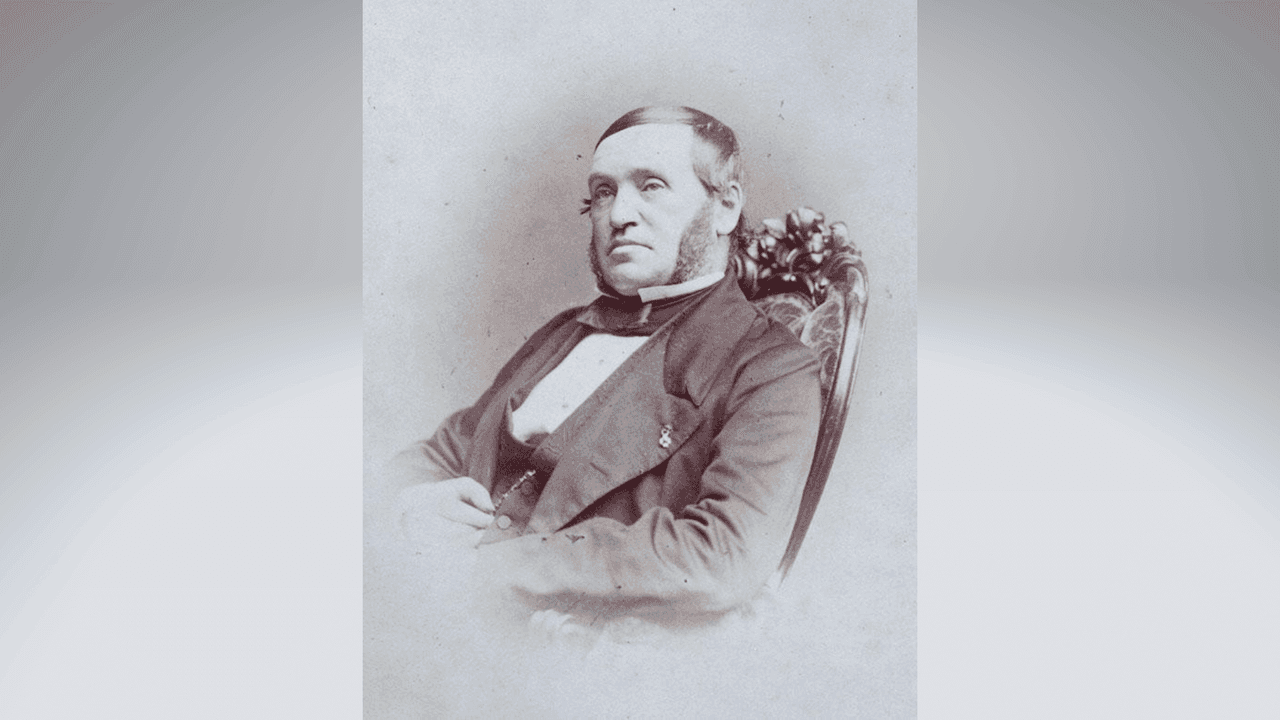
Here at Herengracht 598 lived Samuel Sarphati. Sarphati was voted the greatest Amsterdammer of all time by readers of Het Parool in 2025. A reader of the newspaper called him 'the compassionate doctor.' An Amsterdammer who cared about his fellow citizens, especially those less fortunate. Sarphati made 'the city more beautiful, better, and more enjoyable.' Sarphati was born in Amsterdam in 1813, the son of a tobacco merchant from the Portuguese-Jewish middle class. His father decided he should become a pharmacist, a profession with little prestige at the time. Sarphati decided he would rather study medicine in Leiden. At 26, he became a doctor in the poor Jewish quarter, and was also a teacher, property developer, and administrator.
Sarphati contributed to Amsterdam's livability in many ways. At the request of the city council, he organized a modern waste collection service. He also worked to promote the spread of knowledge and modern education. He started a bread factory, making bread affordable for many more people. Through these and other activities, Sarphati contributed to the rising life expectancy of Amsterdammers in the second half of the 19th century.
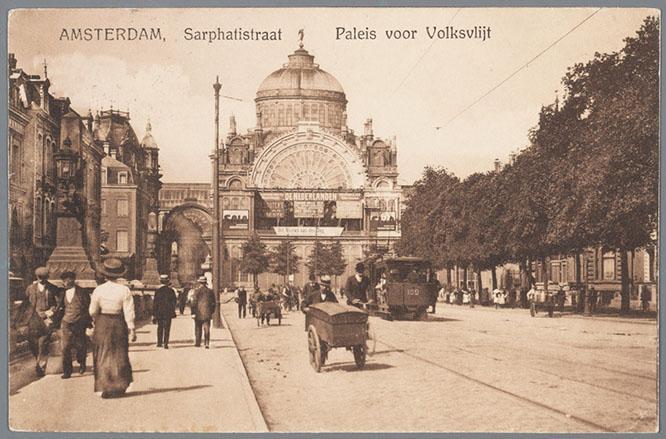
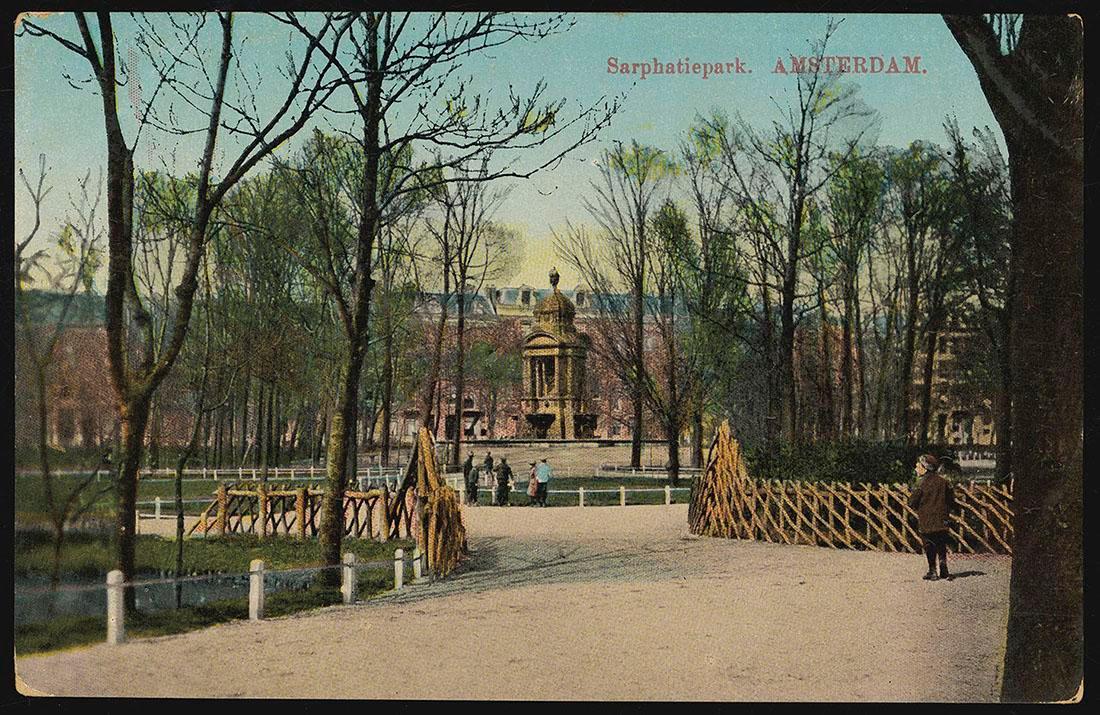
As a property developer, he is known for his work on the Palace of Volksvlijt, which burned down and can be seen in the photograph, and the Amstel Hotel. You can still see his legacy in the cityscape today: the Sarphatistraat, Sarphatipark which you can still visit today, and Sarphatihouse are all named after him.
Any feedback for this story?