Het Begijnhof
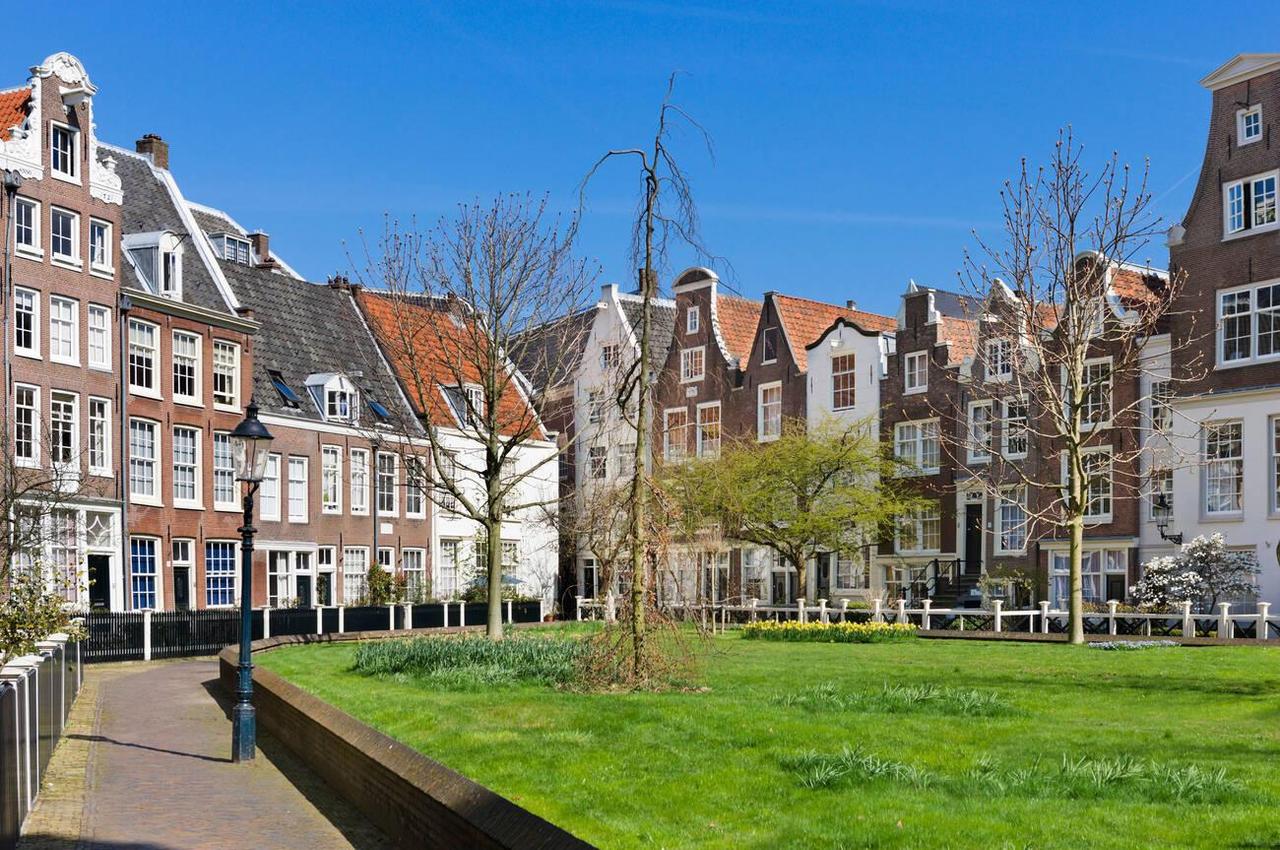
Before we tell you more about the Begijnhof, a small but important request: please check that your phone volume isn't turned up too loud. This is a place of genuine peace, and we'd love to keep it that way. You're standing in one of Amsterdam's most remarkable spots. The Begijnhof was founded in the 14th century as a refuge for Beguines, women who chose a devout and simple life without formally joining a convent. They lived independently in these charming little cottages, which was actually quite progressive for the time.
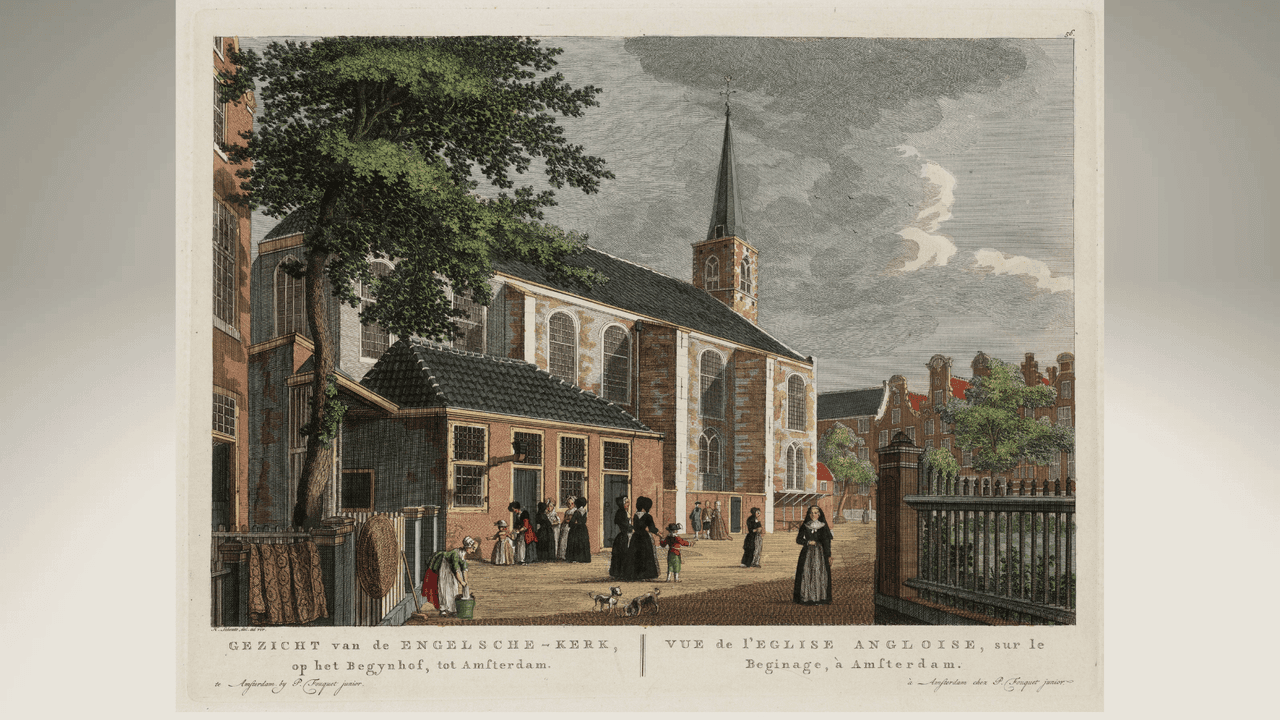
When Catholicism was banned in Amsterdam during the 16th century, the Begijnhof managed to hold its ground. Because the houses were owned by the Beguines themselves, the city couldn't simply take them over. The women quietly built a hidden church inside the courtyard and carried on.
Look out for the Houten Huys, built around 1528. It's one of the very last wooden houses in Amsterdam. Before the grand canal houses came along, wood was the standard building material here, but fires took care of most of them. This one survived, and historians still debate whether it or a house on Warmoesstraat holds the title of oldest in the Netherlands. The Begijnhof is still home to women today. Treat it accordingly.
Amsterdam is full of hidden courtyards like this one. Go looking for them, especially in the Jordaan, where countless surprising and undiscovered little spots are just waiting to be found.
Any feedback for this story?