Hope & Co Bank
The Hope family, originally Scottish, found their new home in Rotterdam in the period between the 17th and early 18th centuries. Under the leadership of Archibald Hope, a prominent merchant with eight sons, the family managed to secure a significant position within the trading world. Many of them followed their father's path in trade. Despite the global financial crisis of 1720, known as the "South Sea Bubble", the Hope family managed to maintain their fortunes. They earned not only from trade but also from transporting Quakers and Swiss Mennonites from Rotterdam to Pennsylvania in North America, funded by the city of Rotterdam and donations from the local Mennonite church.
After Archibald Hope's death in 1743, his sons inherited a considerable fortune, which they managed to increase through successful trading activities. Their reputation grew steadily; Thomas Hope was even appointed by William IV as his representative to the West India Company, and represented Anna of Hanover to the East India Company.
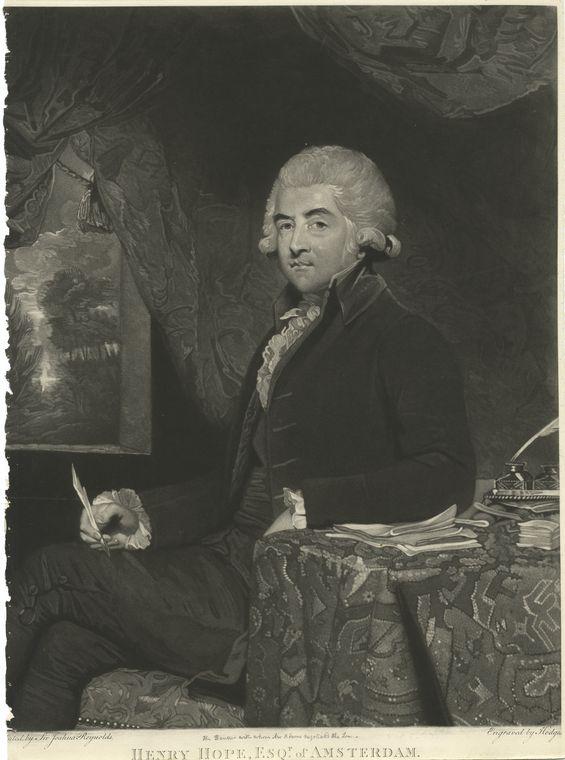
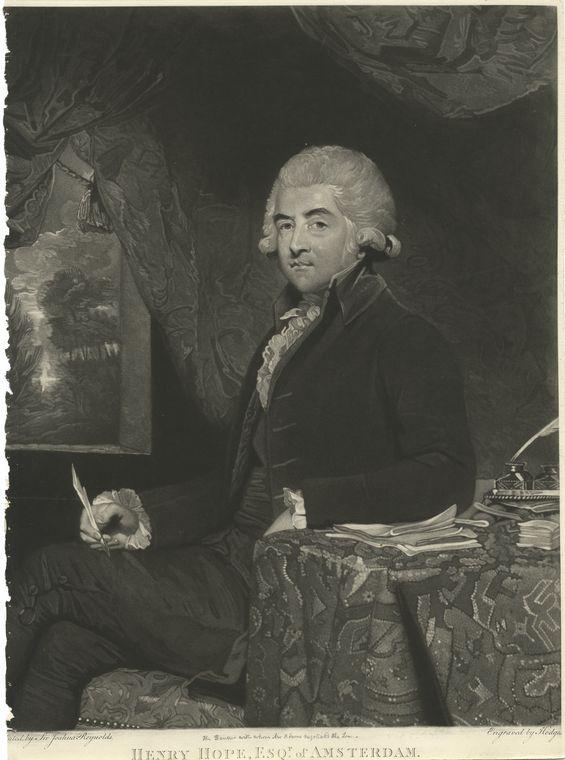
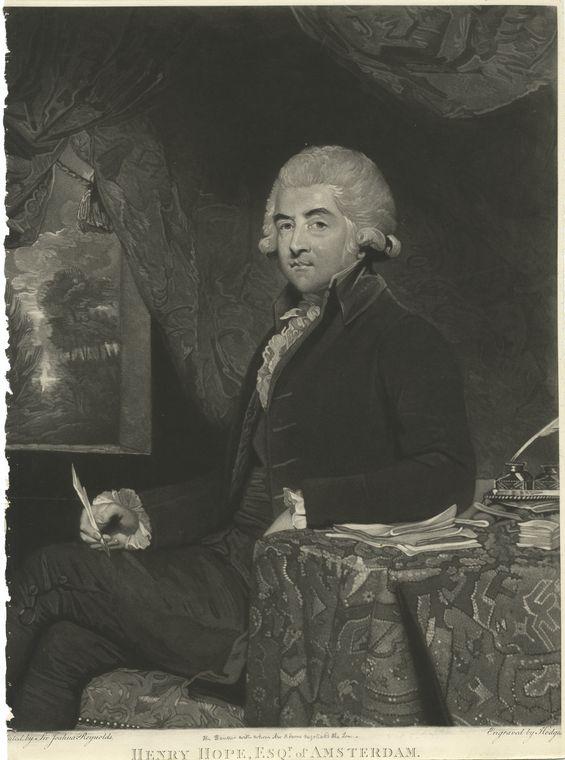
In the later years of their ventures, around 1762, Jan and Henry Hope entered the banking world and transformed the family business into Hope & Co. This transition marked the beginning of a new era for the family, in which they offered financing to merchants, kings and states.
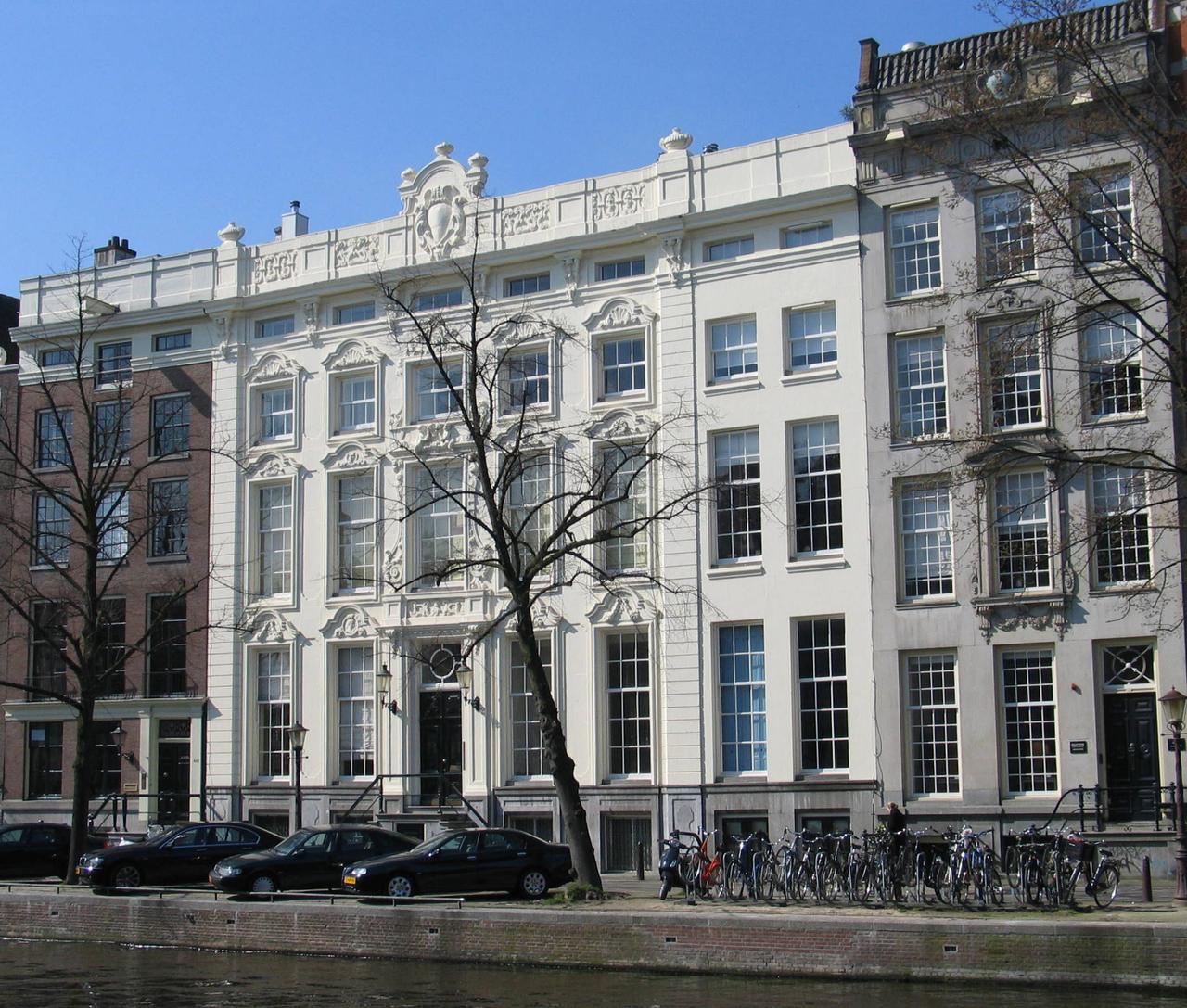
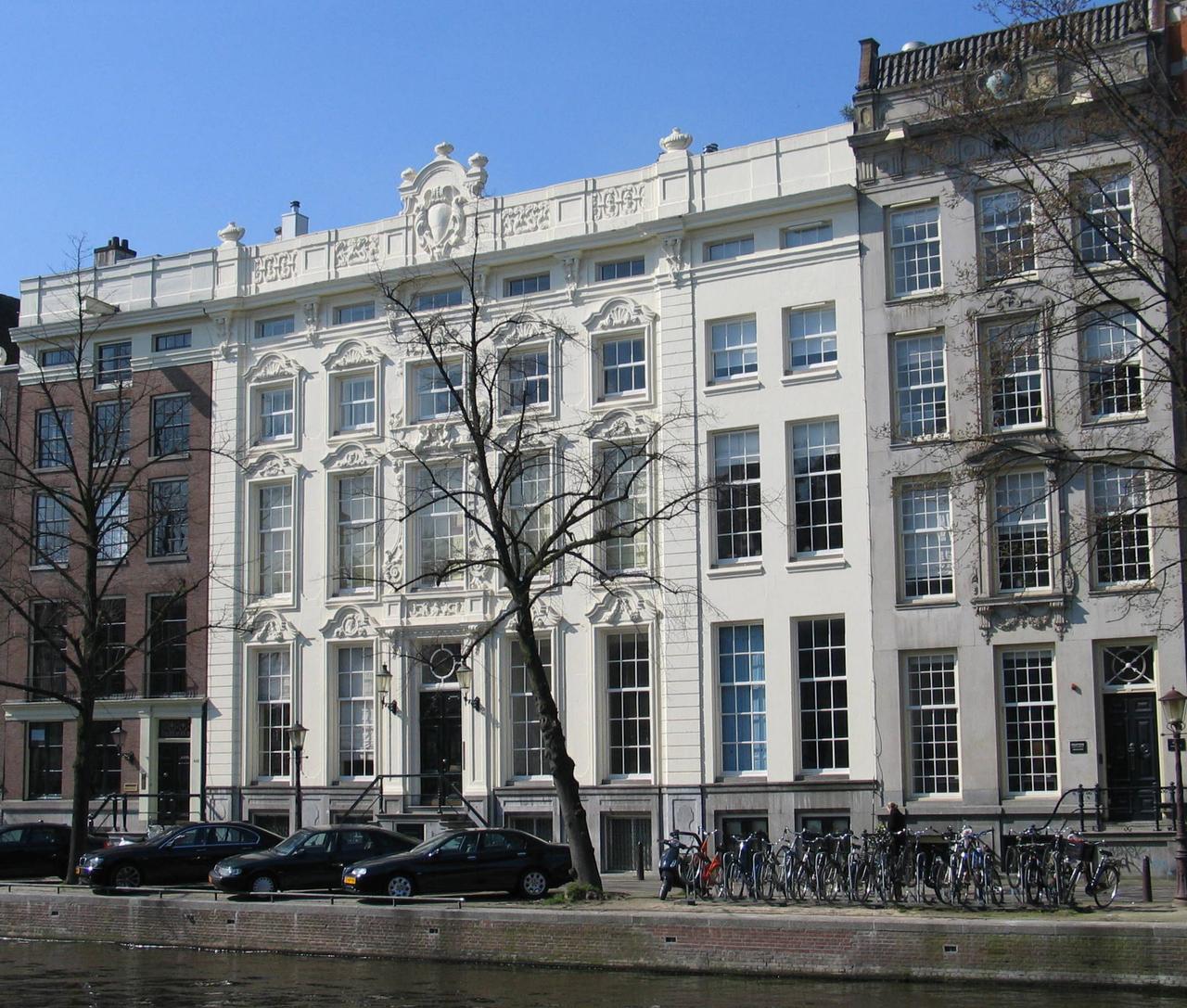
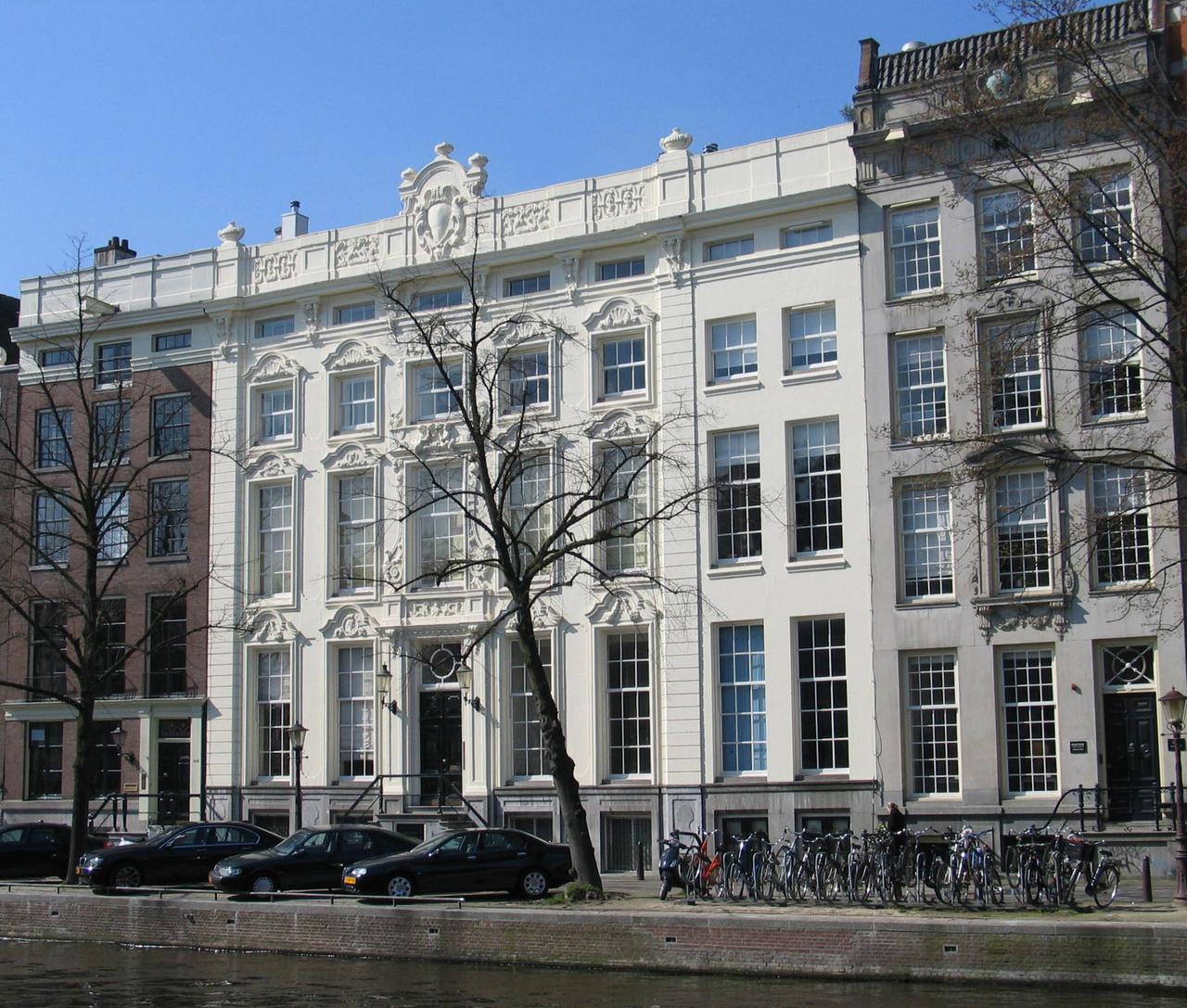
The Hope family's success was also reflected in their choice of residence; they occupied monumental properties at Keizersgracht 444-448 in Amsterdam, symbolic of their wealth and status. Over the years, Hope & Co went through several acquisitions and mergers, eventually leading to today's ABN Amro, a legacy of the Hope family's entrepreneurial spirit and financial ingenuity.
Any feedback for this story?