How a small cheese conquered the world
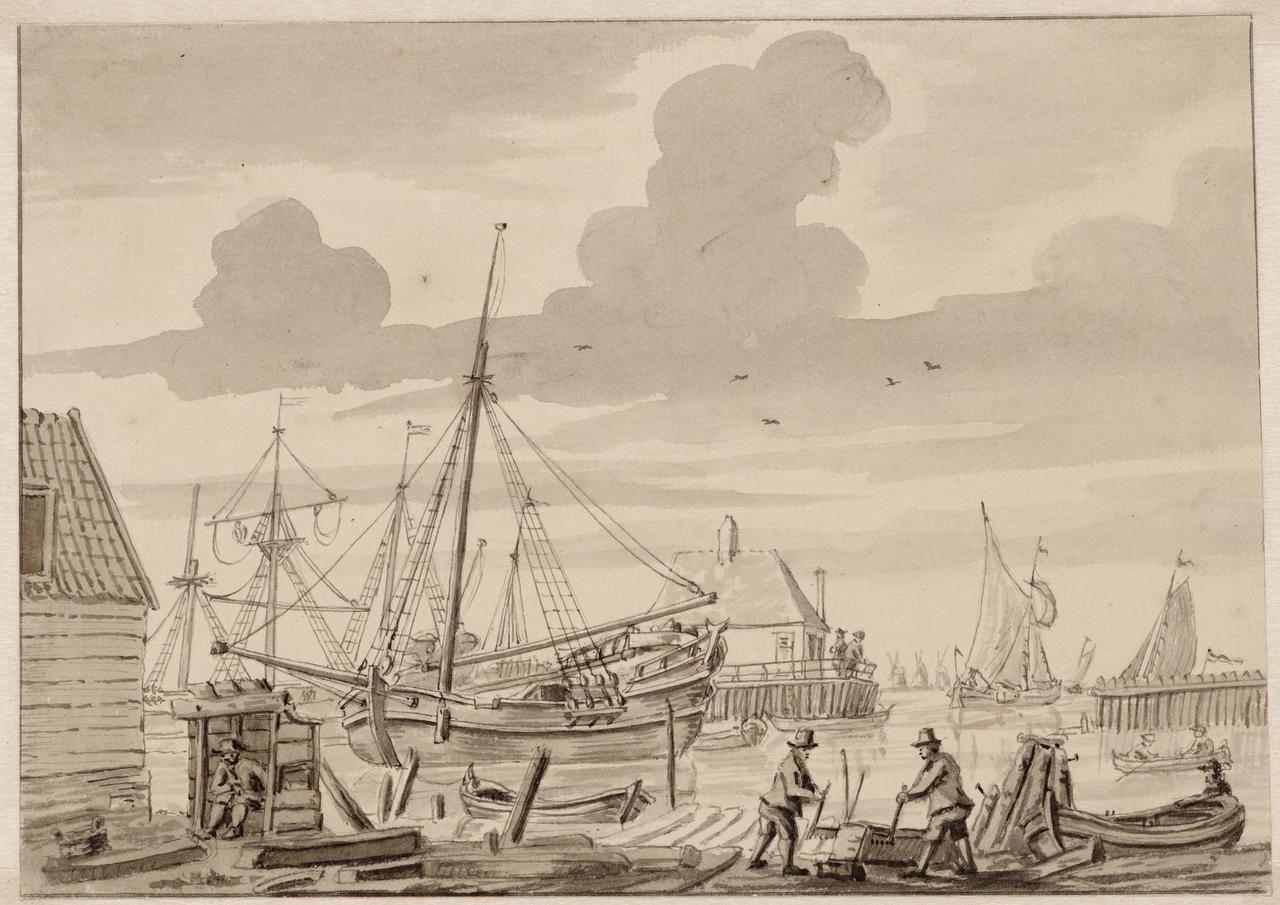
This dock was the beating heart of a global cheese trade in the seventeenth century. Amsterdam was Europe's most important commercial center, and a surprisingly large share of its wealth came from one small product from the countryside north of here: Edam cheese.
Edam was made on small farms around the town of Edam, about twelve miles north of Amsterdam. The work was done by women, the farmers' wives, not the farmers themselves. Twice a day, after each milking, they turned the fresh milk into cheese, pressing it into wooden molds shaped like balls. Those molds were called kaaskoppen, literally "cheese-heads," in Dutch. According to a wonderful old story, that's why the Dutch are still sometimes nicknamed "cheeseheads" abroad.
The shape and size explain why this particular cheese conquered the world. At just under four pounds, an Edam cheese was light enough to carry by hand, hard enough to survive months at sea, and round enough to stack neatly in a cargo hold. The red rind, originally colored with poppy juice and later with wax, kept the cheese fresh on voyages that sometimes lasted more than a year.
Just how hard an Edam cheese could be is shown by a remarkable incident. In 1840, a Uruguayan warship engaged an Argentine ship at sea and ran out of cannonballs midway through the battle. The crew grabbed what they had on hand: a cargo of hard Edam cheeses. According to the surviving accounts, they used the cheeses as ammunition and shot the mast right off the Argentine ship. Whether the story is true in every detail or not, it tells you something about Dutch cheese: it was rock-hard.
Henri Willig is part of this tradition. The farm in Katwoude where the family business started in 1974 is just down the road from Edam. The cheeses on the shelves today are still round, still hard, still made from North Holland milk. The recipes have been modernized, but the principles are four centuries old.
Let's walk on, and look up for a moment.
Any feedback for this story?