Kattenburg
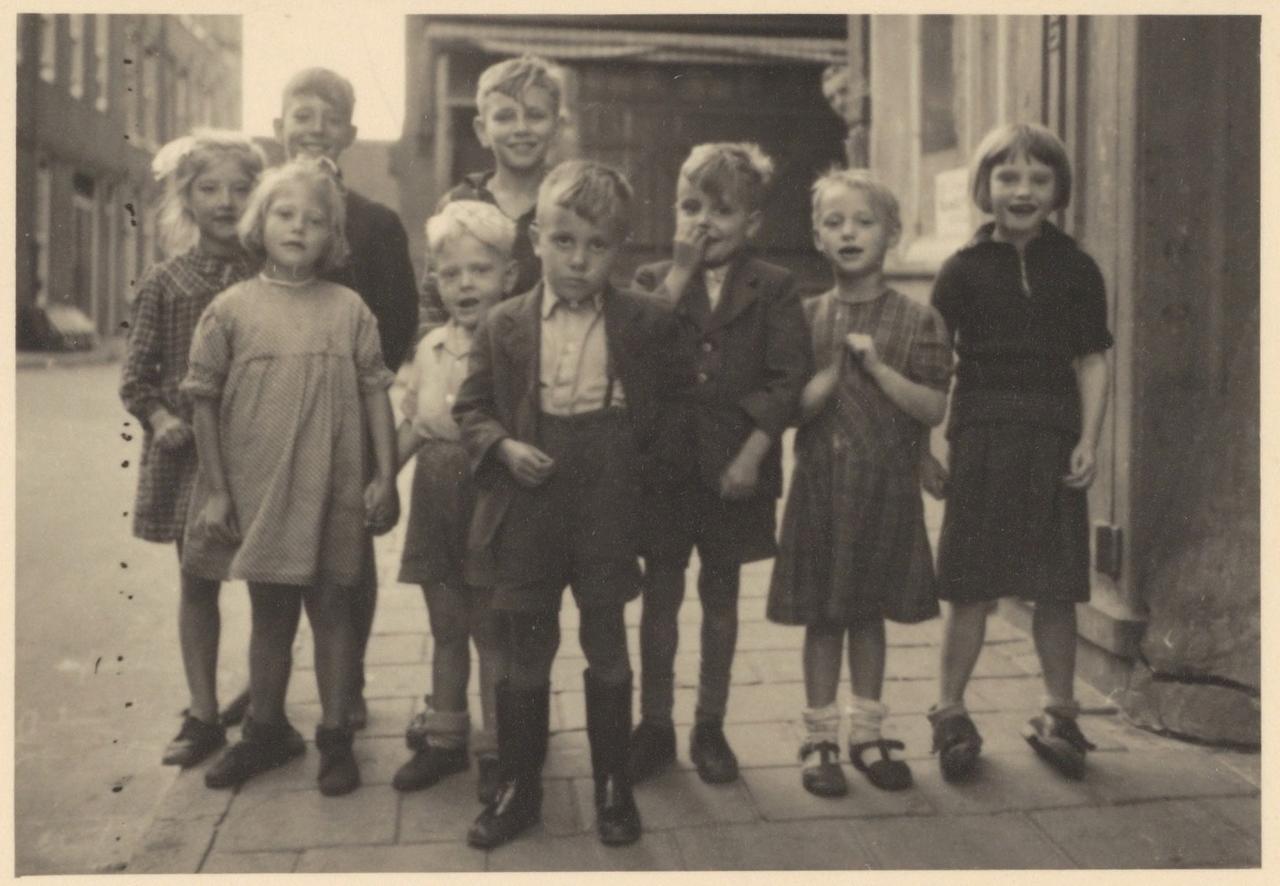
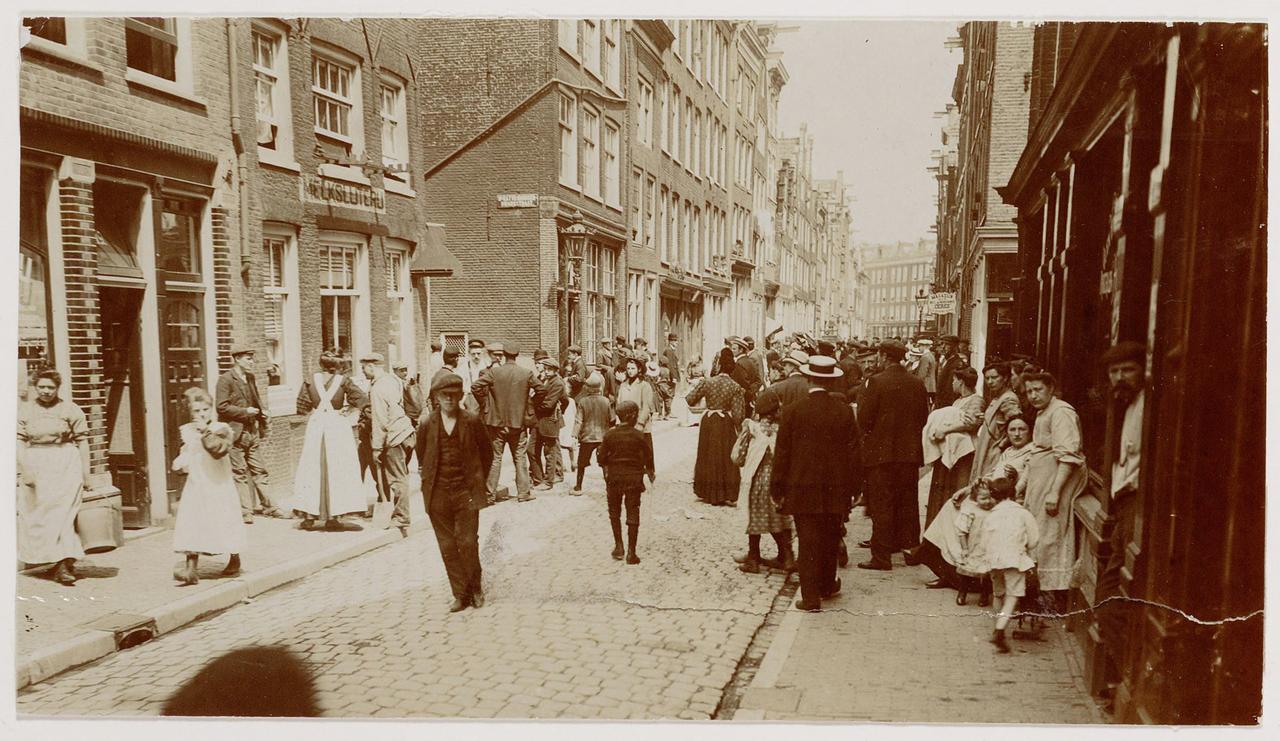
You almost wouldn't tell. But on this spot used to be a working-class neighborhood that reminds you of the Jordaan. The men worked in the docks and the women did the housework. It was a coming and going.
Kattenburg emerged in the second half of the 17th century as the westernmost of Amsterdam's three Eastern Islands. Originally a swampy piece of land outside the city walls, it was ploughed up bit by bit beginning in 1641. The city needed space for shipyards, storage and housing for workers. Kattenburg grew into a real working-class neighborhood, densely built and strongly connected to port activities.
At the center of the island was 's Lands Zeemagazijn, a huge Admiralty warehouse that would later become the Maritime Museum. Around it, ship carpenters, sailors and warehouse workers worked. Many residents were called "axemen," a reference to their work in shipbuilding. It was a close-knit community with a strong culture of its own, known for their Orange-mindedness and a tad stubborn character.
In 1787, during political tensions in the city, Kattenburg rebelled. The "hatchet men" raised the bridge and fiercely opposed the Patriots. The neighborhood held out for a long time, but was eventually appeased by force.
A dramatic moment in later history was Kattenburg's Blood Night, on the night of July 5-6, 1911. Fierce riots broke out during an international sailors' strike. The police opened fire on the strikers, resulting in deaths and injuries. This sweeping story can also be heard in the Roods app, which brings the events of that night to life.
In the 1960s, the old neighborhood was almost completely demolished. The small houses and narrow streets gave way to new construction. Only the street pattern vaguely recalls the original Kattenburg.
Any feedback for this story?