Keti Koti
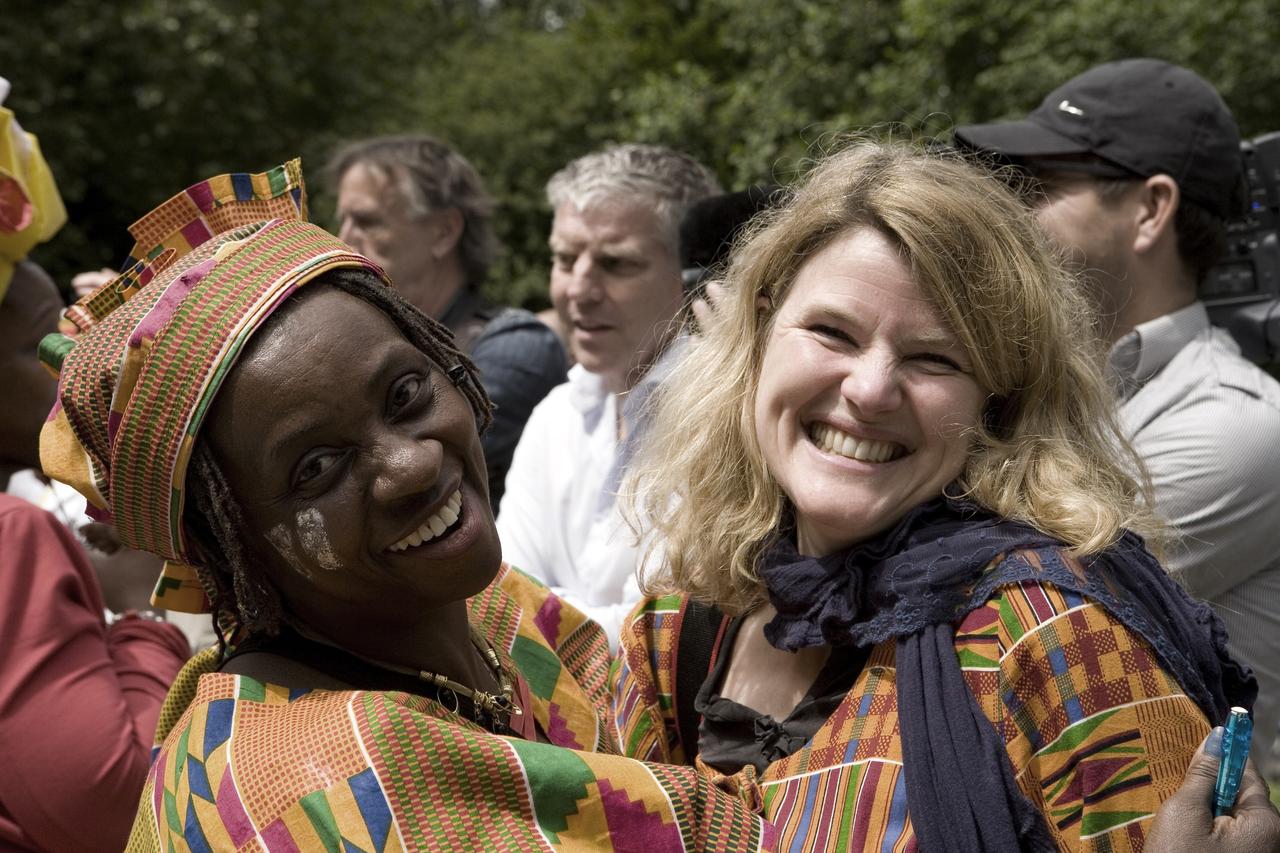
On 1 July, a day that symbolises liberation from slavery, Keti Koti is celebrated, a holiday that originated in Suriname and is now also embraced in the Netherlands. The name, derived from Sranantongo, means ‘chains broken’ and reflects the celebration of the emancipation of those who were once chained.
The origins of Keti Koti lie in the Emancipation Act of 1 July 1863, when the Kingdom of the Netherlands officially abolished slavery in Suriname, the Netherlands Antilles and related territories. More than 45,000 African slaves were freed at that time, with 34,441 in Suriname and 11,800 in the Netherlands Antilles. The former slaves received no compensation, while the slave owners received compensation of 300 guilders per freed slave. In addition, the freed people in Suriname were required to perform the same work under contract for another ten years, often under the same appalling conditions.
Since the beginning of the new millennium, the Netherlands has embraced Keti Koti and celebrates this important day in various cities, especially by Afro-Surinamese and Afro-Antilleans. Since 2009, the Netherlands has organised a national commemoration and celebration of the abolition of slavery in the Oosterpark in Amsterdam. Since 1 July 2002, this park has been home to the National Slavery Monument, a permanent reminder of this history.
Keti Koti is not only accompanied by commemoration, but also by culinary traditions. On this day, people often eat ‘herheri’, a one-pot dish that has its origins in the food preparation traditions of Afro-Surinamese people during slavery. Herheri consists of root vegetables such as cassava and sweet potato, accompanied by egg, plantain and salted fish.
The recognition of the past and the celebration of freedom have paved the way for official apologies and reconciliation. On 1 July 2021, the mayor of Amsterdam, Femke Halsema, offered an official apology on behalf of the city for its involvement in the slave trade. In 2023, during Keti Koti, King Willem-Alexander apologised for the role of the Netherlands in the history of slavery and asked for forgiveness because his ancestors did not intervene against this unjust system. These gestures not only mark the importance of Keti Koti, but also the ongoing search for justice and reconciliation.
Any feedback for this story?