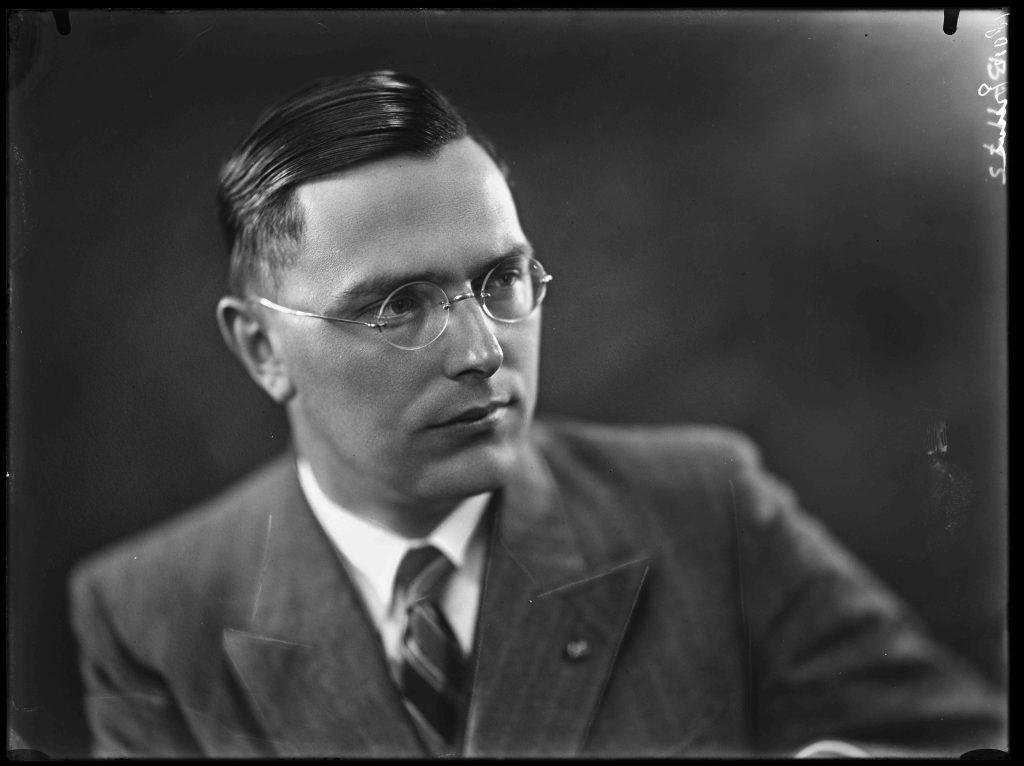
Maw Euwe
You stand on Max Euweplein in Amsterdam, where tourists marvel at the giant chessboard and nearby cafés buzz with conversation. Few realize that this square once served as the courtyard of a notorious prison, where thousands of political prisoners were held during World War II.
Here, the memory of Max Euwe, the only Dutch world chess champion, is kept alive. On December 15, 1935, he defeated the seemingly invincible Alexander Alekhine after a grueling match of 30 games across 13 Dutch cities. The victory sparked nationwide enthusiasm. Alekhine acknowledged his defeat with the words: “Es lebe Schachweltmeister Euwe, es lebe schachschliebend Holland.”
Euwe was more than a chess player; he was a mathematician, teacher, and later president of the world chess federation FIDE. His rational approach to the game and sportsmanship made him an icon.
Today, the square invites play and interaction, with the Max Euwe Center as a silent witness to his legacy. Here, where walls once confined, now stands an open space celebrating freedom and intellect.
Any feedback for this story?