Napoleon in the City
Napoleon Bonaparte, the former emperor of France, left an indelible impression on the Netherlands, formerly known as Holland. His rule over the country began as early as 1807, when, for example, the Zeeland city of Vlissingen already became part of the French empire. Napoleon supervised from afar and implemented his plans until he decided to visit Amsterdam in person in 1811.
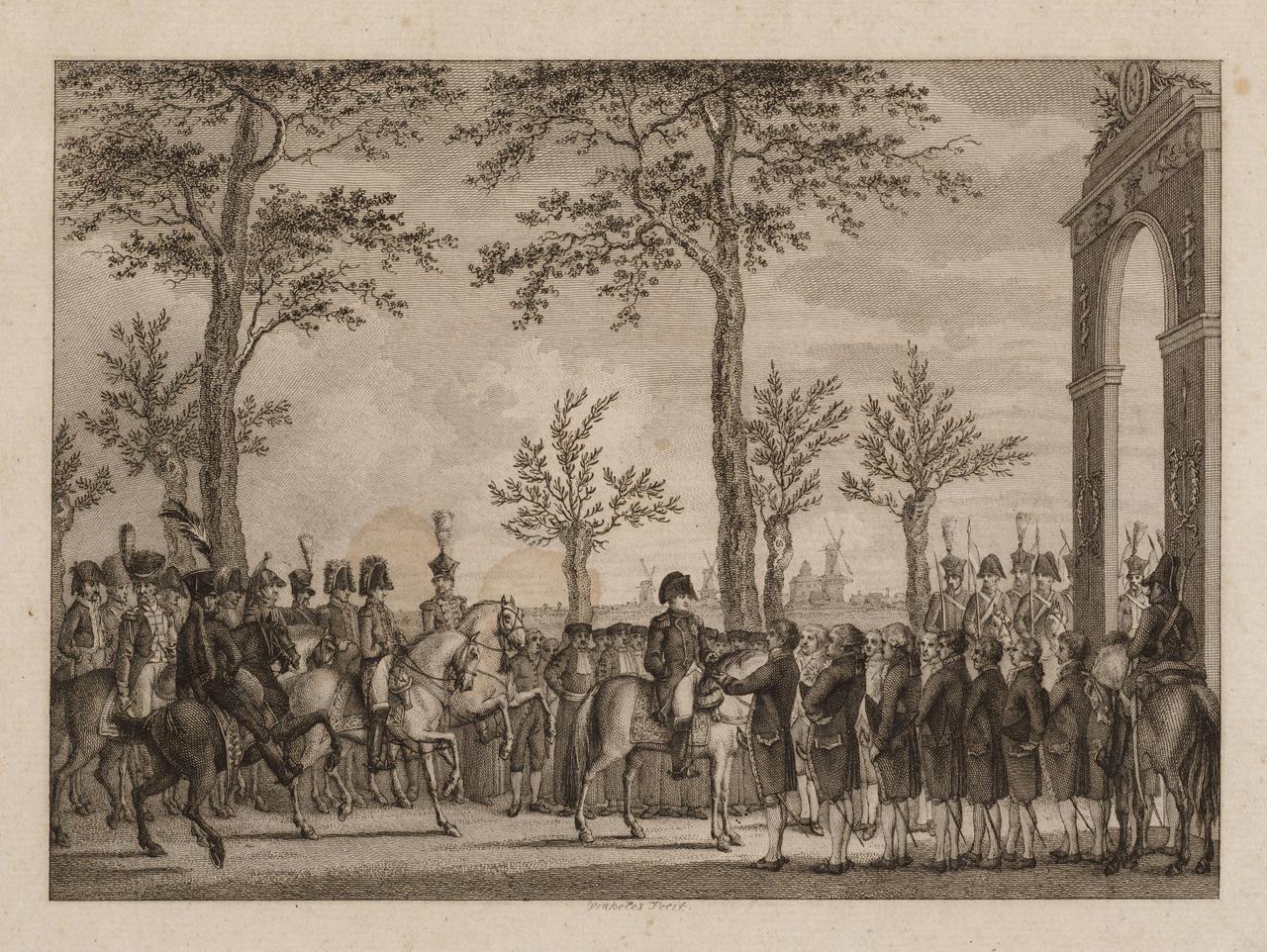
In that year, Napoleon arrived in the Netherlands with an impressive force of 20,000 troops. His aim was twofold: to stop smuggling activities and to organise a blockade, designed to undermine the British economy. During this period, he also visited Vlissingen, a place he had previously visited in 1803 and 1810, this time accompanied by 75 militia soldiers and his wife, along with an honoured general. His journey through the Netherlands, which lasted several weeks, eventually brought him to Amsterdam. Here he stayed for a fortnight to discuss strategies against Britain with Dutch merchants and to strengthen the defence of the Dutch coast, he also visited military installations and naval bases.
During his stay in Amsterdam, Napoleon took time not only to deal with military and economic matters, but also to visit cultural and religious institutions. He visited Catholic churches and issued a decree that all Christian denominations should receive financial support from the municipality. After the complete annexation of the Netherlands in 1810, Napoleon planned an extensive tour of his new territories with his wife Marie Louise.
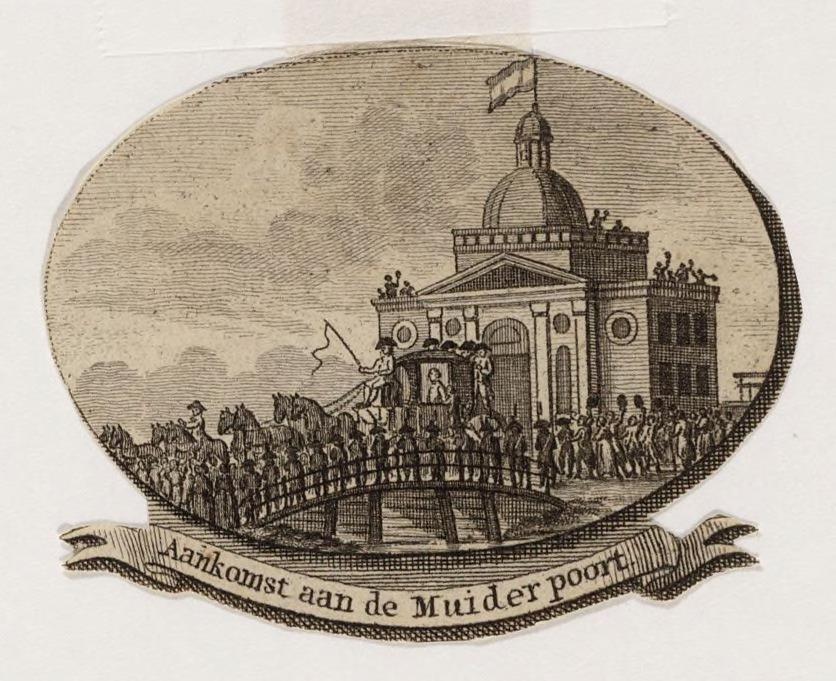
One of his first decrees concerned Dutch naming; he ordered that anyone without a surname had to choose a surname before 1814 or else risk a fine. This was a break from traditional patronymic naming, such as 'Jacobson' for "son of Jacob". On 9 October 1811, when his entourage reached Amsterdam, he was welcomed by cheering crowds. Napoleon took this opportunity to inspect the city's military and economic infrastructure, as well as to gauge public support.
His visit to Amsterdam was characterised by open barriers and a ban on toll collectors collecting tolls from his entourage, which indirectly allowed Amsterdammers to travel freely. This visit, although intended to strengthen his military and economic grip on the Netherlands, also showed how Napoleon tried to connect with his new subjects and their culture. It was not until 1813 that the Netherlands, and thus Amsterdam, regained its independence.
Any feedback for this story?