Noorderkerk
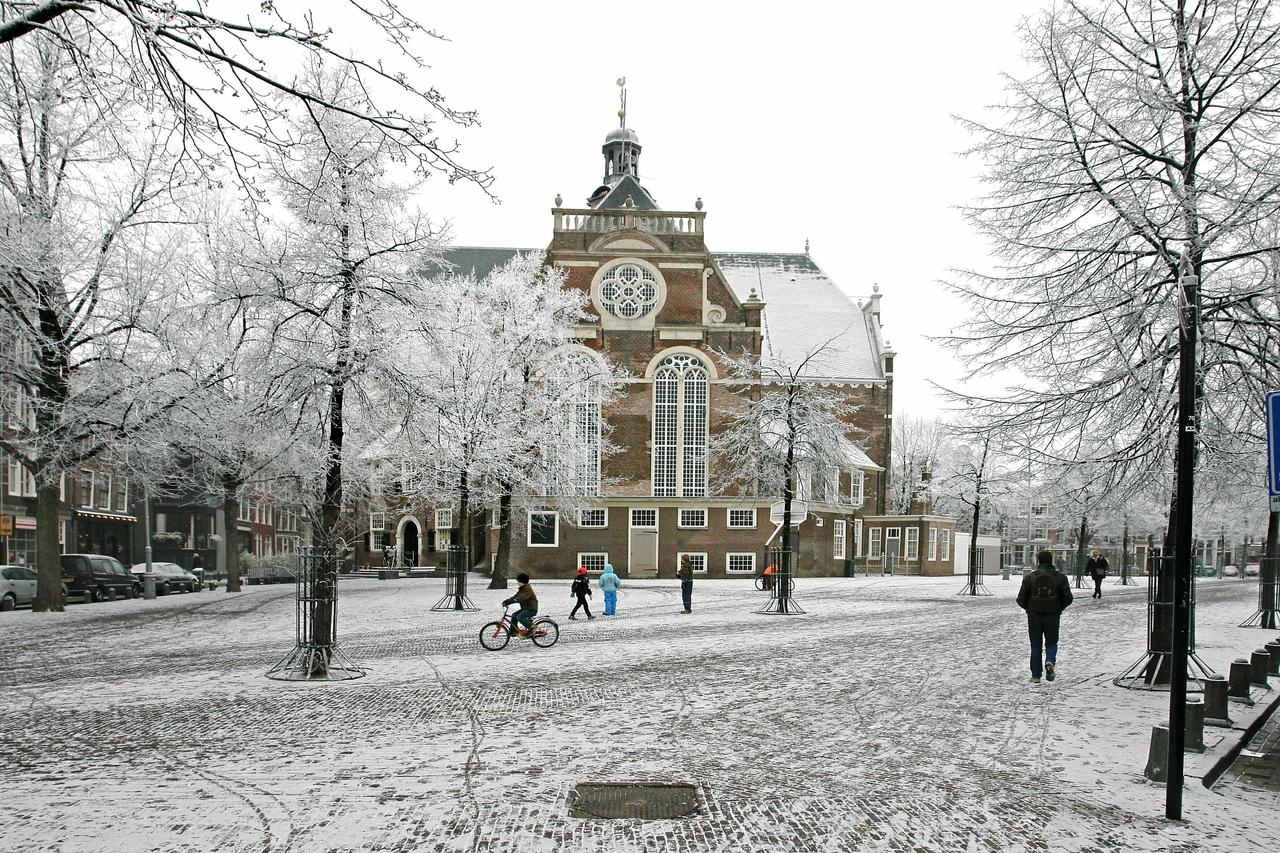
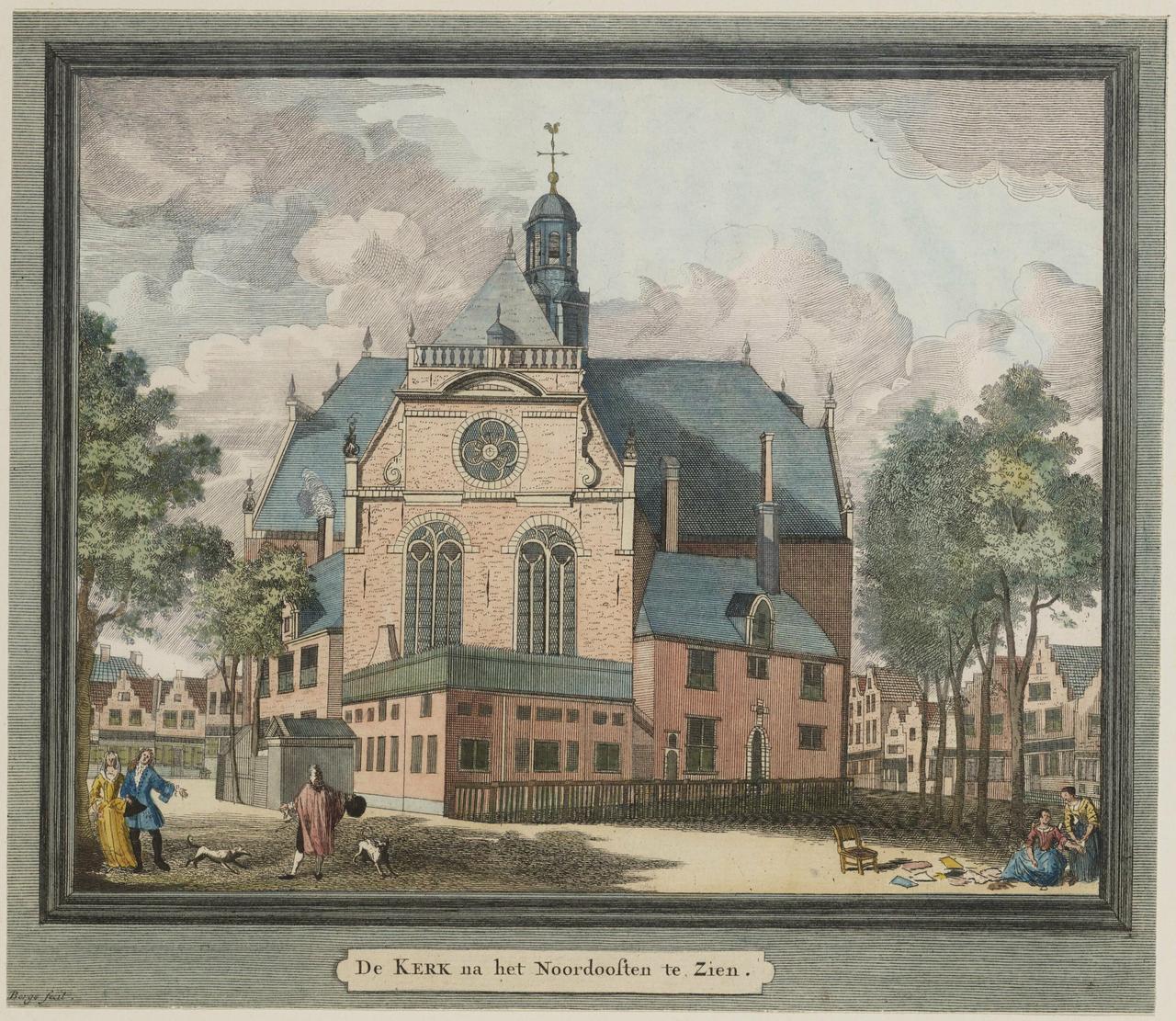
On the right side of the canal, in the middle of the bustling Noordermarkt, stands the impressive Noorderkerk. This architectural masterpiece is the brainchild of none other than Hendrick de Keyser, the renowned master builder who was also responsible for the iconic Westerkerk, a few kilometres away.
The Noorderkerk originated in the early 17th century, between 1620 and 1623. The construction of this church stemmed from Amsterdam's transition to Protestantism, after the city had said goodbye to Catholicism. The growing Protestant community needed new houses of worship, and thanks to the generosity of wealthy merchants, the Noorderkerk was able to rise.
Although the Noorderkerk and the Westerkerk were both designed and financed by the same architect, each had its own purpose and audience. The Westerkerk was reserved for the wealthy merchants themselves, while the Noorderkerk offered a warm welcome to the city's less privileged. Here fishermen, farmers and people from lower social classes found a place to gather and pray, away from the posh ambience of the Westerkerk.
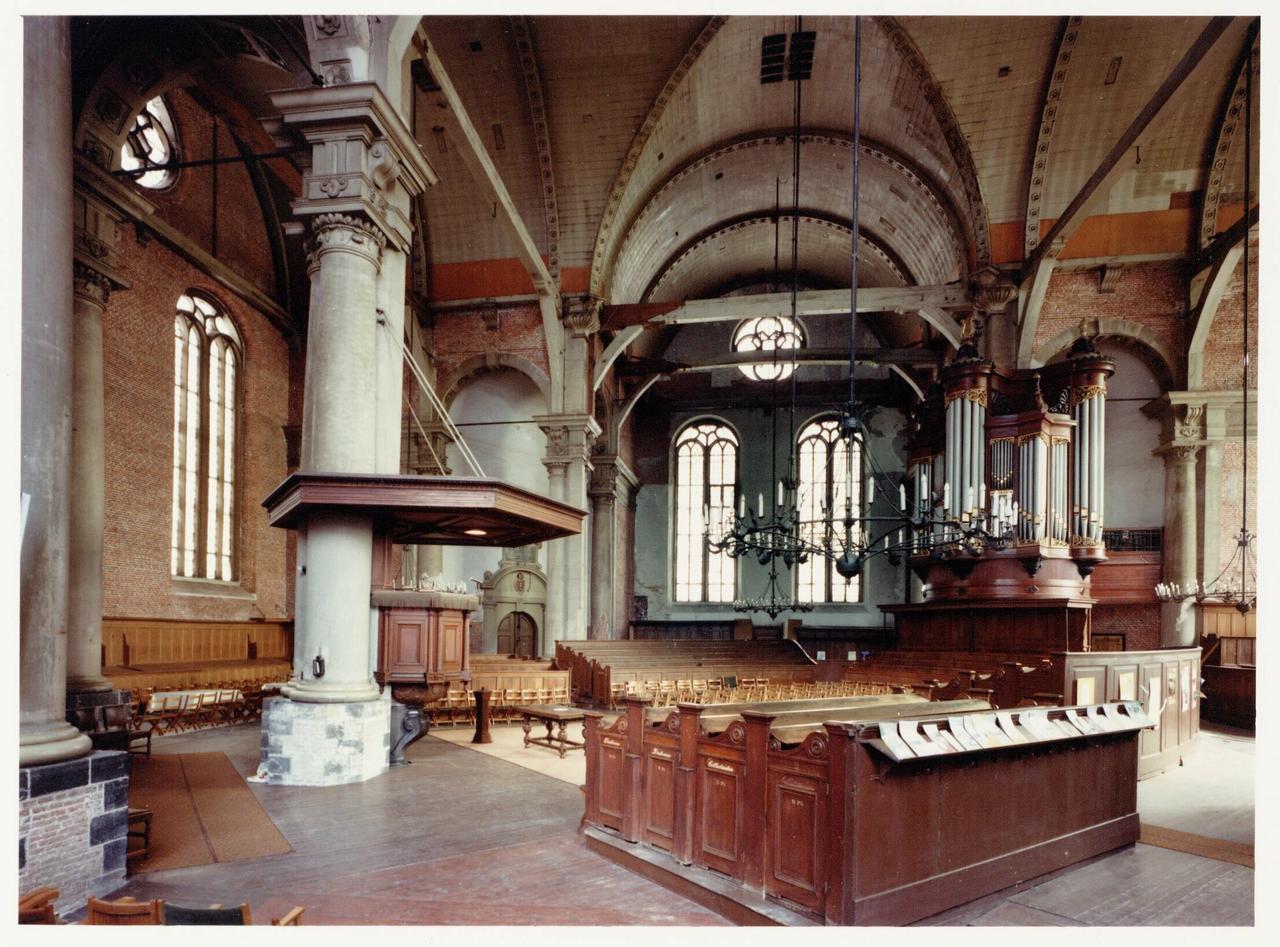
The North Church has a unique shape that immediately attracts attention. This architectural gem is a beautiful example of the Dutch Renaissance style. At the time, however, the design was very unusual, as Catholic churches were often shaped like a cross. The Noorderkerk, on the other hand, was raised with four equal arms, placing the vicar and his pulpit amidst the visitors.
As you admire the southern outer wall of the church, you will notice two bronze memorial posters. One memorial honours local residents who lost their lives during World War II, while the other reminds us of the 1941 February Strike. It was at the Noordermarkt that banned gatherings took place where the call to strike was made. Next to the church entrance, you will find a small monument commemorating the 1934 Jordaan riot.
Today, the Noorderkerk still plays an important role in the community. It is a lively meeting place that regularly hosts cultural events and gatherings. On Saturdays, it even hosts concerts open to the public. The Noorderkerk remains a symbol of religious and historical significance, and a tangible reminder of Amsterdam's rich history.
Any feedback for this story?