Our Lord in the Attic
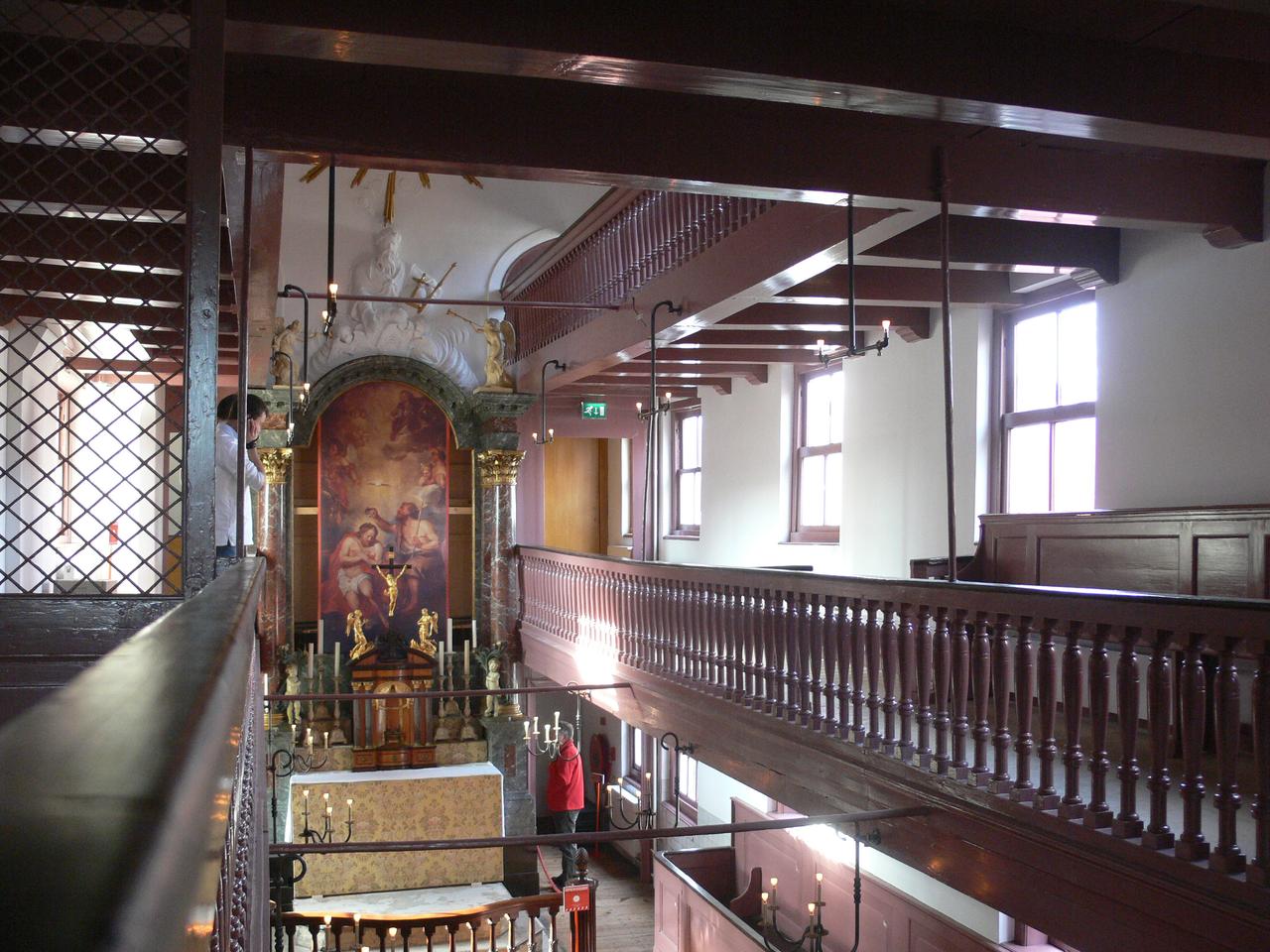
In the year 1578, a revolution took place in Amsterdam's city government. The Catholic authority was deposed and a group of Calvinists took control. Catholic shrines were banned or transformed into Protestant places of worship. A need arose among Catholics for hideaway churches, and thus Onze Lieve Heer op Solder was born. This unique church arose after the Reformation, when Catholics were no longer allowed to celebrate public masses. Although it is the third Nicolaas church in Amsterdam, this hidden church stands out because of its story.
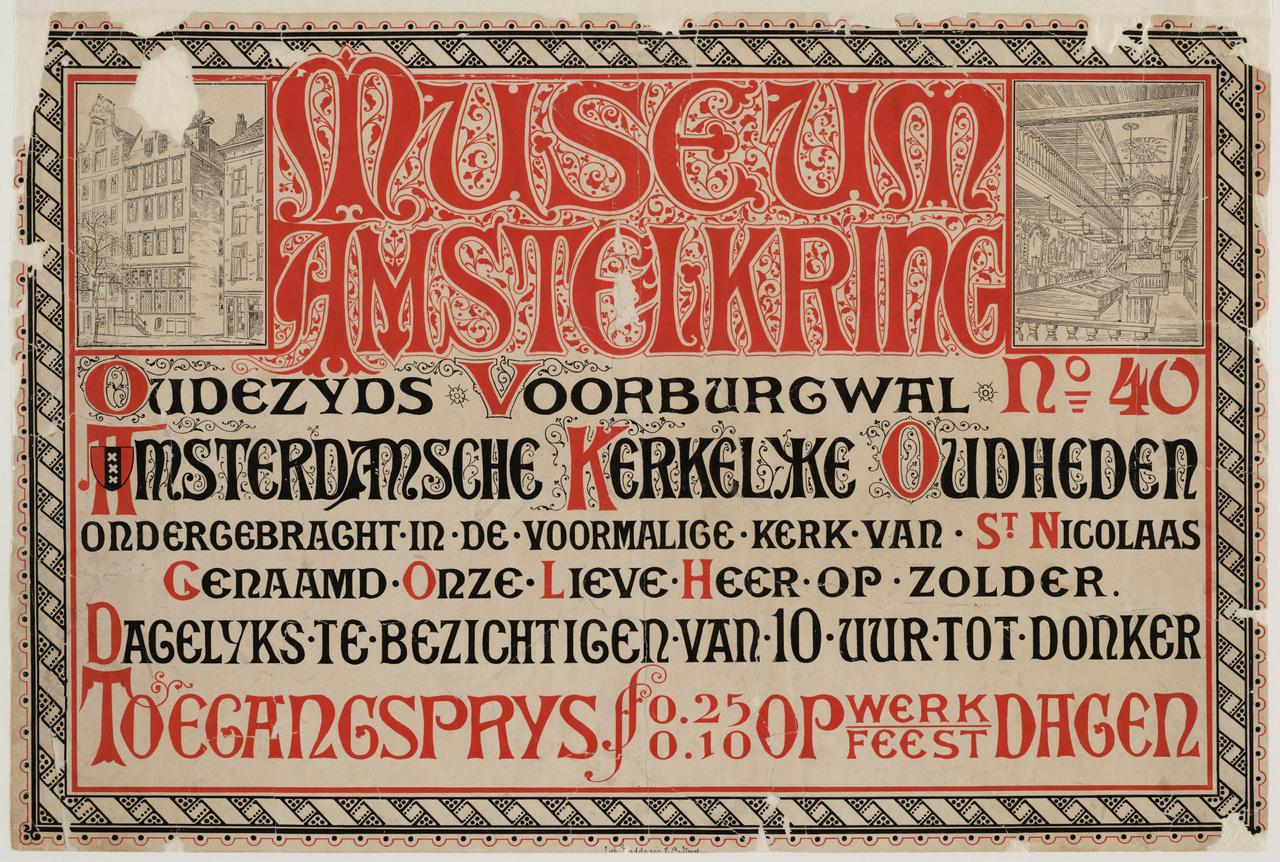
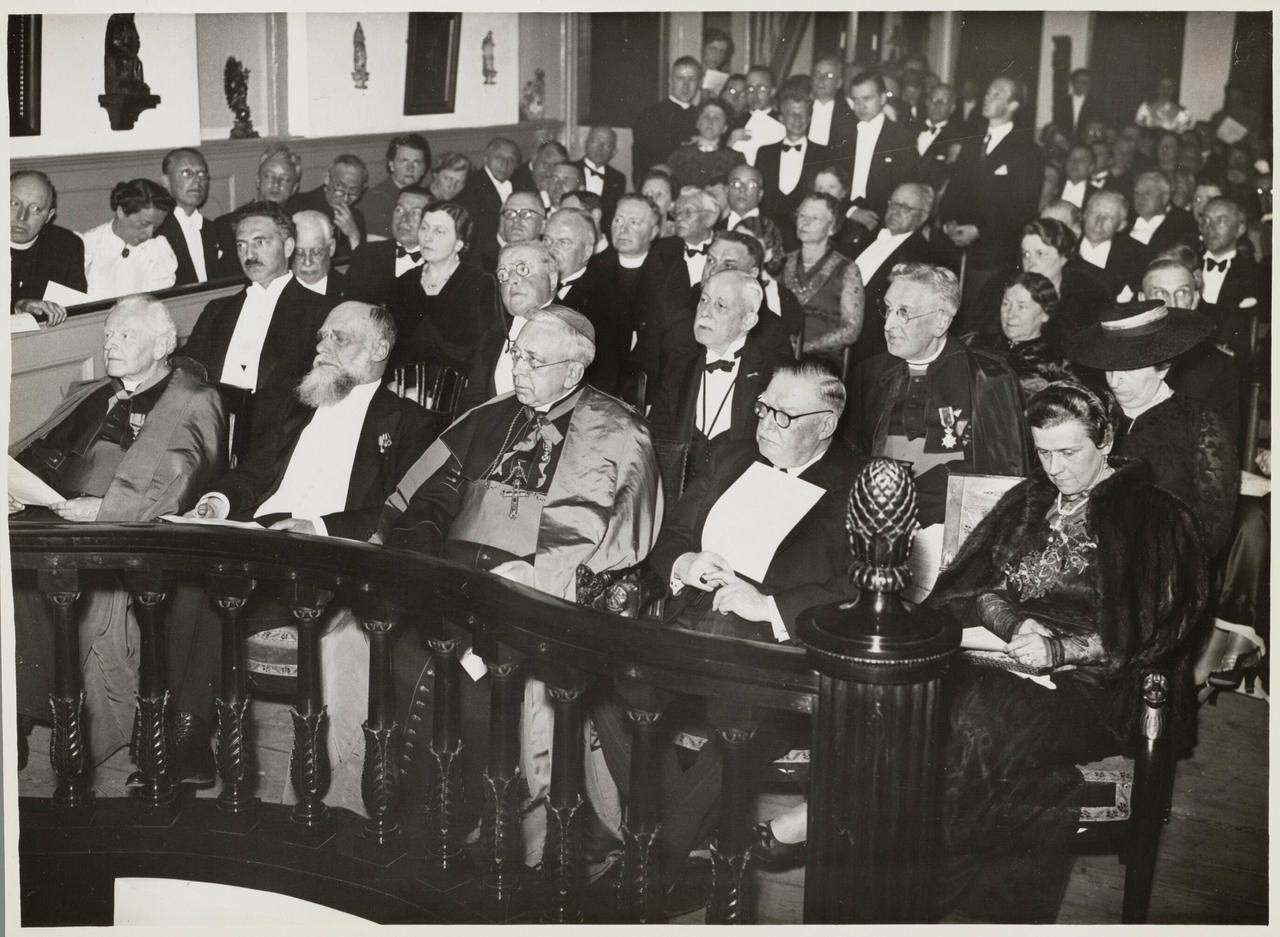
On arrival in front of the building, it quickly becomes clear why it has been given the name 'hidden church'. At first glance, it looks like an ordinary canal house, but as soon as you step inside, a religious world unfolds. To this day, the church serves as a place for celebrations and also functions as a museum. Its doors open a window into life in the 17th century, where you discover the home of the Hartman family and the museum in the attic - which gave the church its name. When it comes to age, this museum is the second-oldest in Amsterdam after the Rijksmuseum. Around 100,000 curious visitors enter the historical thresholds every year.
Two Christmas masses are invariably held during the Christmas period and you can regularly attend meetings on Sundays. A visit to this extraordinary hidden church is undoubtedly worthwhile!
Visit one of Amsterdam’s hidden treasures – a 17th-century canal house with a secret church in the attic. Get your ticket here:
https://www.tiqets.com/en/amsterdam-attractions-c75061/tickets-for-ons-lieve-heer-op-solder-audio-guide-p974148/?partner=roods.io-177103
Any feedback for this story?