Schiphol: the history
"Amsterdam Airport Schiphol is the undisputed aviation hub of the Netherlands and among the most prominent airports in Europe. In 2018, Schiphol welcomed a whopping 71 million passengers, making it the third busiest airport in Europe, surpassed only by Heathrow in London and Charles de Gaulle in Paris.
The origin of the name Schiphol is recorded in an ancient parchment letter, dated 11 September 1447, which deals with the transfer of land. Nevertheless, the exact origin of this name remains subject to debate and interpretation among experts. However, Schiphol's history does not spring purely from naming; it is intertwined with the transformation of Haarlemmermeer in the 19th century. The reclamation of this lake began in 1848, a process that was completed in 1852. Within this newly created polder was the Fort at Schiphol, erected for defence and later incorporated into the Defence Line of Amsterdam.
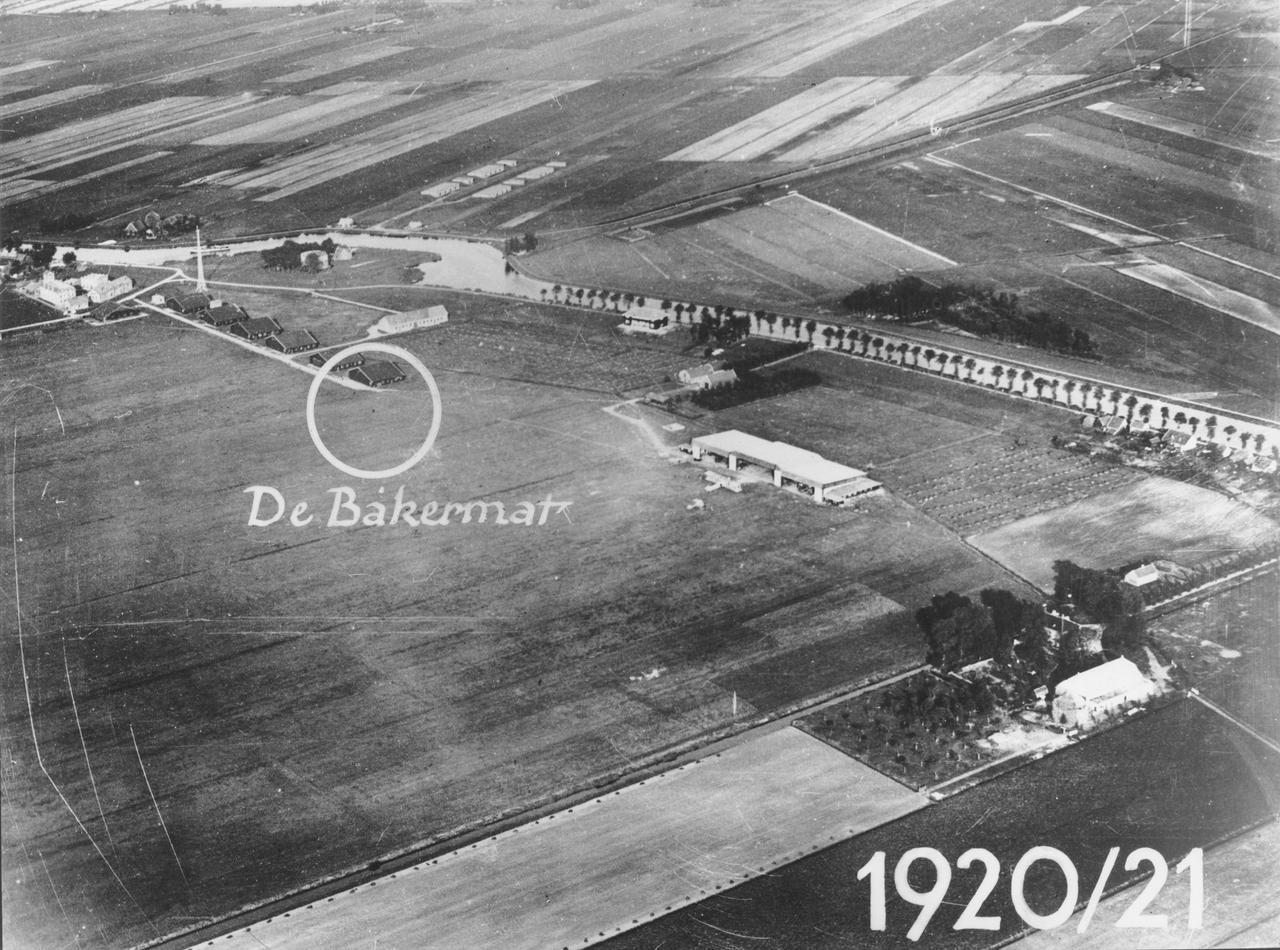
However, it was not until April 1916, during World War I, that approval was granted by Minister of War Nicolaas Bosboom to purchase land near Fort Schiphol to establish a military airfield: Schiphol Air Base. After the end of the war, Schiphol quickly began to transport mail, cargo and even passengers, using modified warplanes. The Netherlands wanted to participate in these aviation developments, and thanks to the efforts of lieutenant pilot Albert Plesman, the Koninklijke Luchtvaart Maatschappij voor Nederland en Koloniën N.V. (later known as KLM) was founded in October 1919. On 17 May 1920, KLM opened its first scheduled service, the Amsterdam - London air link, with Schiphol serving as the landing point for Amsterdam.
However, World War II brought dark days for Schiphol. In the early days of the war, the airport was bombed by the German Luftwaffe in 1940, followed by occupation by German troops. Under German control, Schiphol was expanded and transformed into Fliegerhorst, or main airport. In addition, it was given responsibility as Leithorst for military aviation in the north of the Netherlands. To deceive Allied attackers, three mock airfields were constructed in Bennebroek, Vijfhuizen and Vogelenzang. Nevertheless, Schiphol was repeatedly hit by Allied bombing raids, the heaviest of which took place on 13 December 1943, when the United States Army Air Forces deployed 200 Martin Marauder bombers. After this devastating event, Schiphol gradually lost its function for the Germans and functioned only as an emergency landing site.
After World War II, Schiphol Airport was completely rebuilt and took on a new role as the Netherlands' main airport. The history of Schiphol, with all its highs and lows, tells the story of an airport that resurrected and evolved into one of the main hubs of aviation in Europe."
Any feedback for this story?