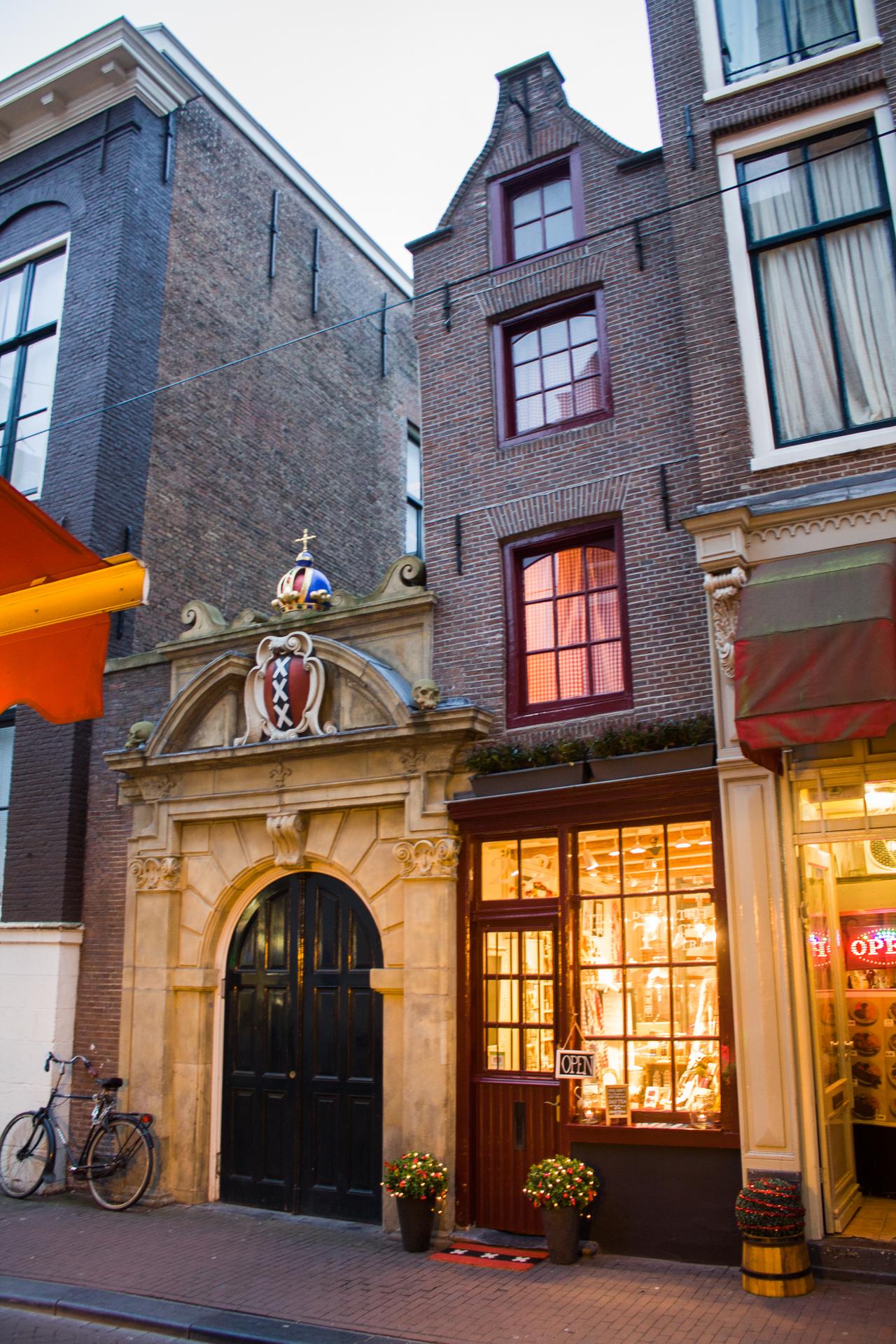
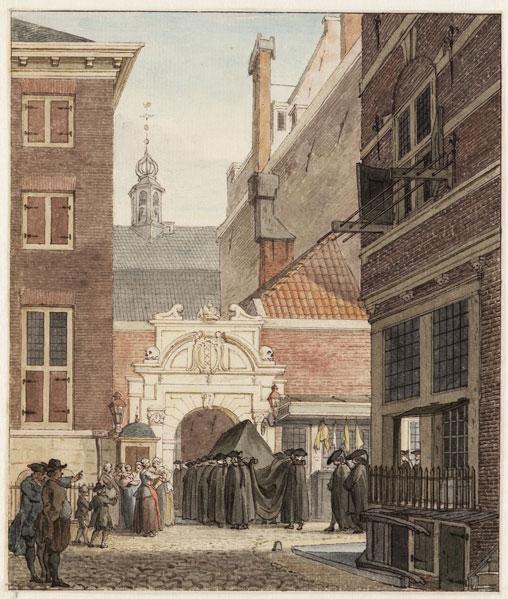
Smalste Huisje
In the early 17th century, many merchants moved to this thriving city. They longed for a house by the canal, a strategic location to easily move their goods from the boats to their warehouses. If you look closely, you will see a special detail almost everywhere: a hoisting beam. This was once used to hoist goods, and to this day these beams are used for removals and other practical purposes. A silent witness to Amsterdam's trading past.
The canal houses are narrow and deep because of the high tax that had to be paid at the time based on the gable width along the canal. This tax, intended for urban expansion, was very high in the 17th century. Most canal houses were therefore only 6 metres wide.Except on the Herengracht, where the wealthy merchants and regents lived, you could find wider houses. Here they had the financial means to easily pay the high taxes. These imposing houses reflected their wealth and status in society.
Yet famous narrow houses can also be discovered in other places. Let's focus on Amsterdam's narrowest house, located on Oude Hoogstraat. This house is only 2.02 metres in width, making it the narrowest house in Europe! A unique piece of architecture that stirs the imagination and evokes admiration.
And let's not forget the 'Little Trippenhuis' on Singel No 9. This house was specially built for the Coachman of the famous Trip brothers. It has one of the narrowest facades in Amsterdam with a width of 2.44 metres. A true work of art of efficient use of space and a tribute to the craftsmanship of the time. Want to know more about this extraordinary house? Then listen to the story about the Trip brothers and their coachman.
Any feedback for this story?