Squatting for Equality
We are here at Gliphoeve petting zoo, a peaceful spot in Amsterdam-Zuidoost. But in the 1970s, this area was the scene of a struggle for justice and equal treatment.
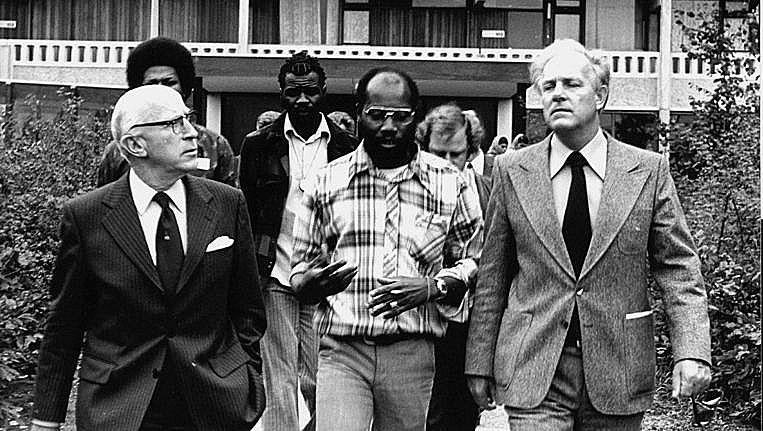
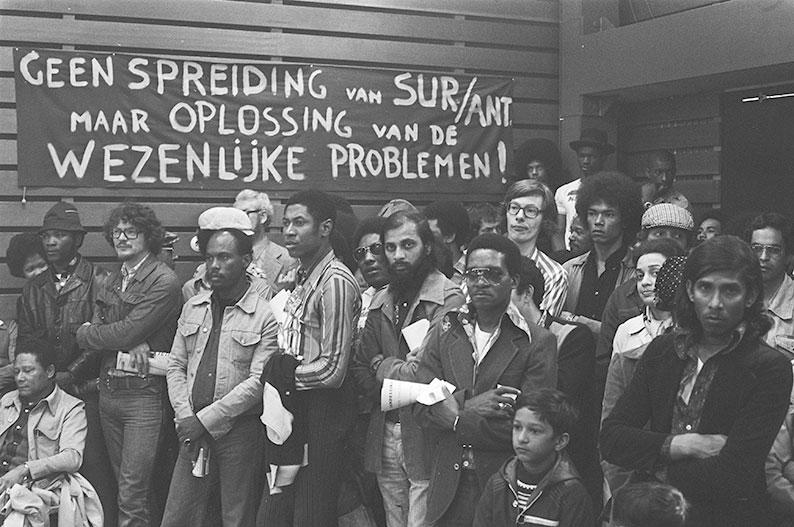
In the summer of 1974, a group of Surinamese activists, led by Just Maatrijk, squatted nearly a hundred apartments in the Gliphoeve flat. This action was a response to the discriminatory dispersion policy of the Amsterdam municipality, which stipulated that only a limited percentage of a flat's residents could be of Surinamese descent. While many flats remained vacant, Surinamese families had to live in overcrowded and fire-hazardous boarding houses.
The squatting action brought the issue to the attention of the media and the public. Maatrijk and his fellow activists demanded equal housing rights and an end to institutional racism. The action led to negotiations with the municipality, resulting in many squatters eventually receiving rental contracts. Gliphoeve thus became a Surinamese enclave in the Bijlmer, where solidarity and culture flourished.
However, in the 1980s, the flat fell into decline due to unemployment, crime, and drug problems. Gliphoeve was split and renamed Geldershoofd and Gravestein. Despite these changes, the history of the Bijlmer squatters remains an important chapter in the fight for equal rights in the Netherlands.
Any feedback for this story?