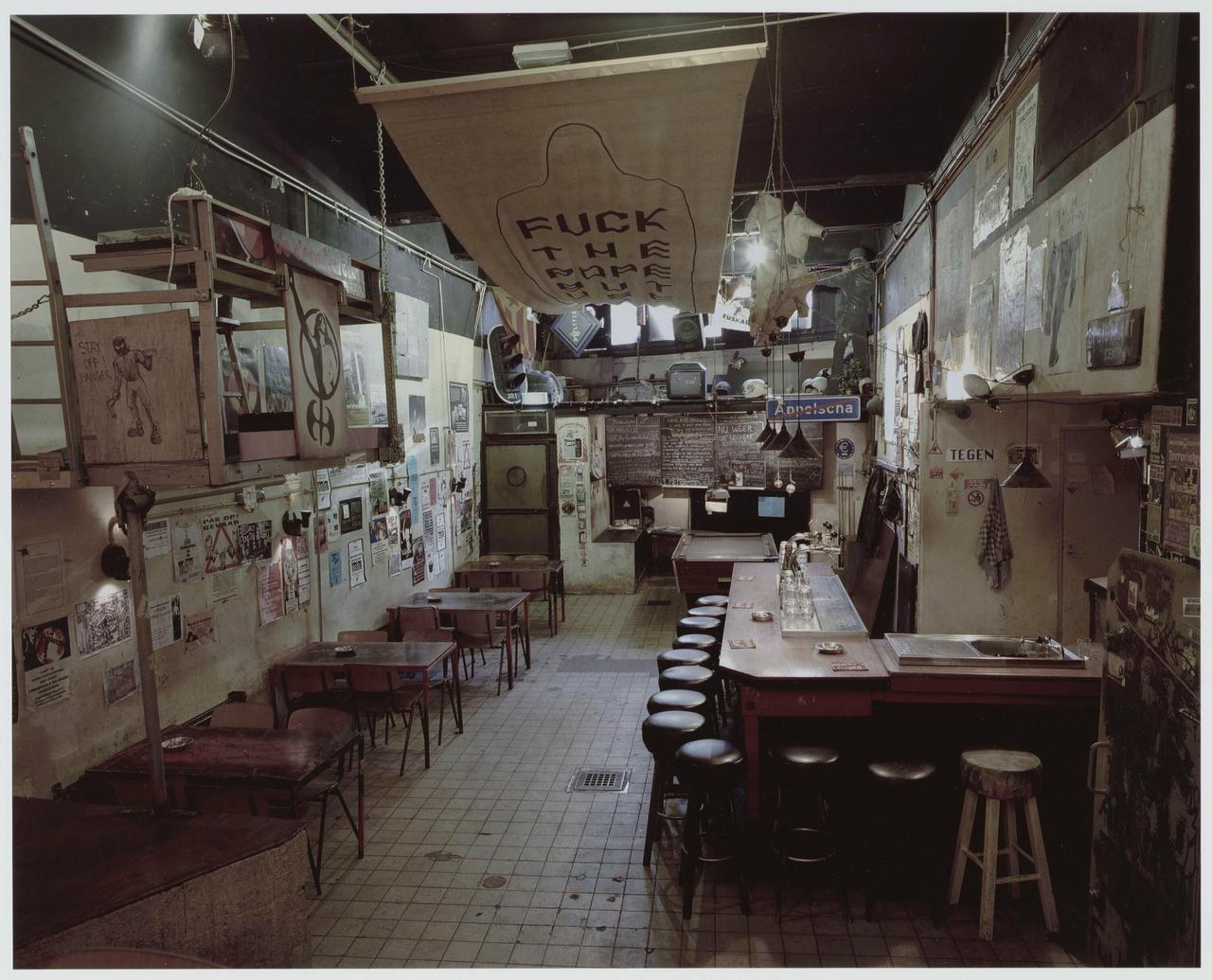
Squatting in Amsterdam Oud-West
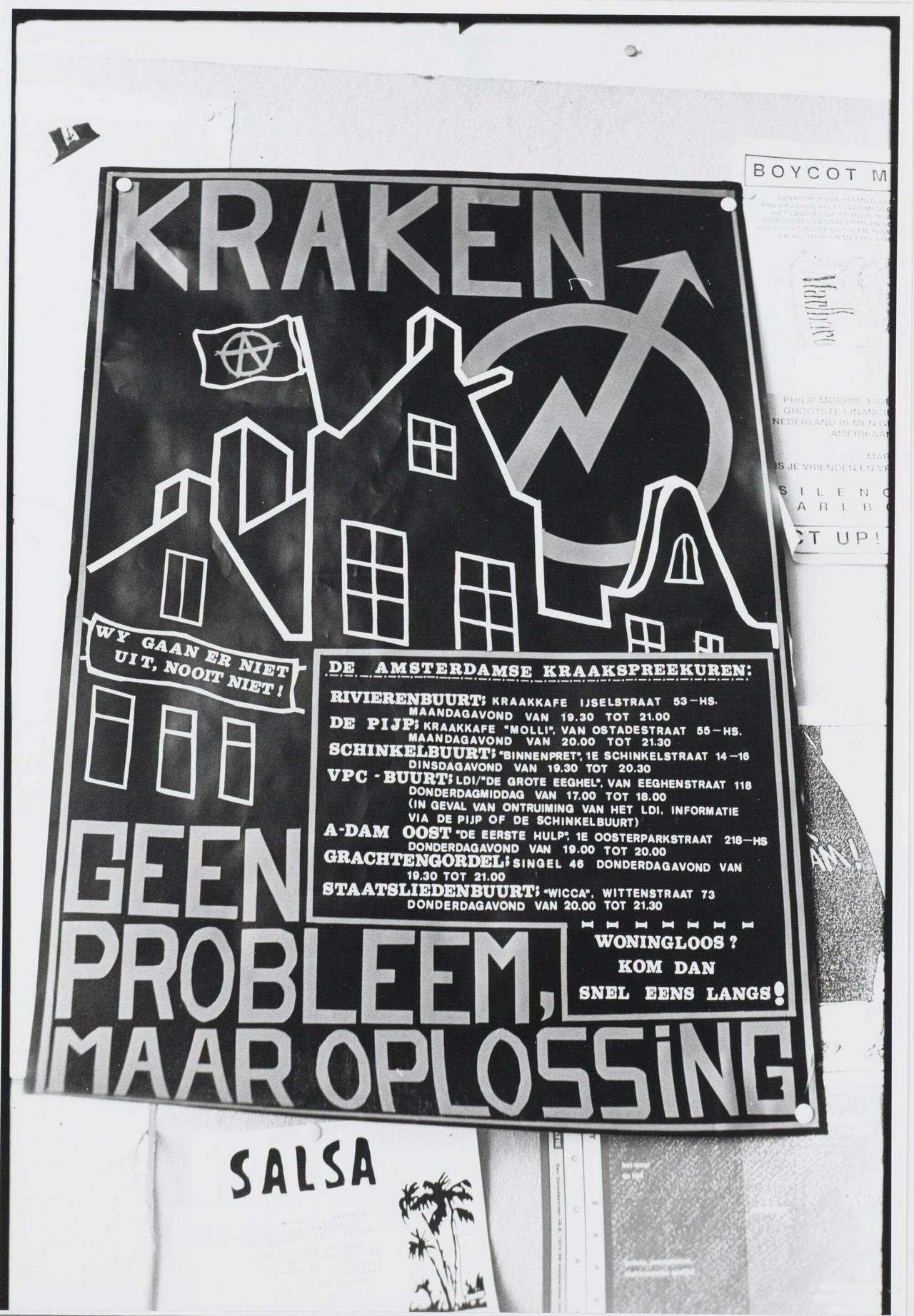
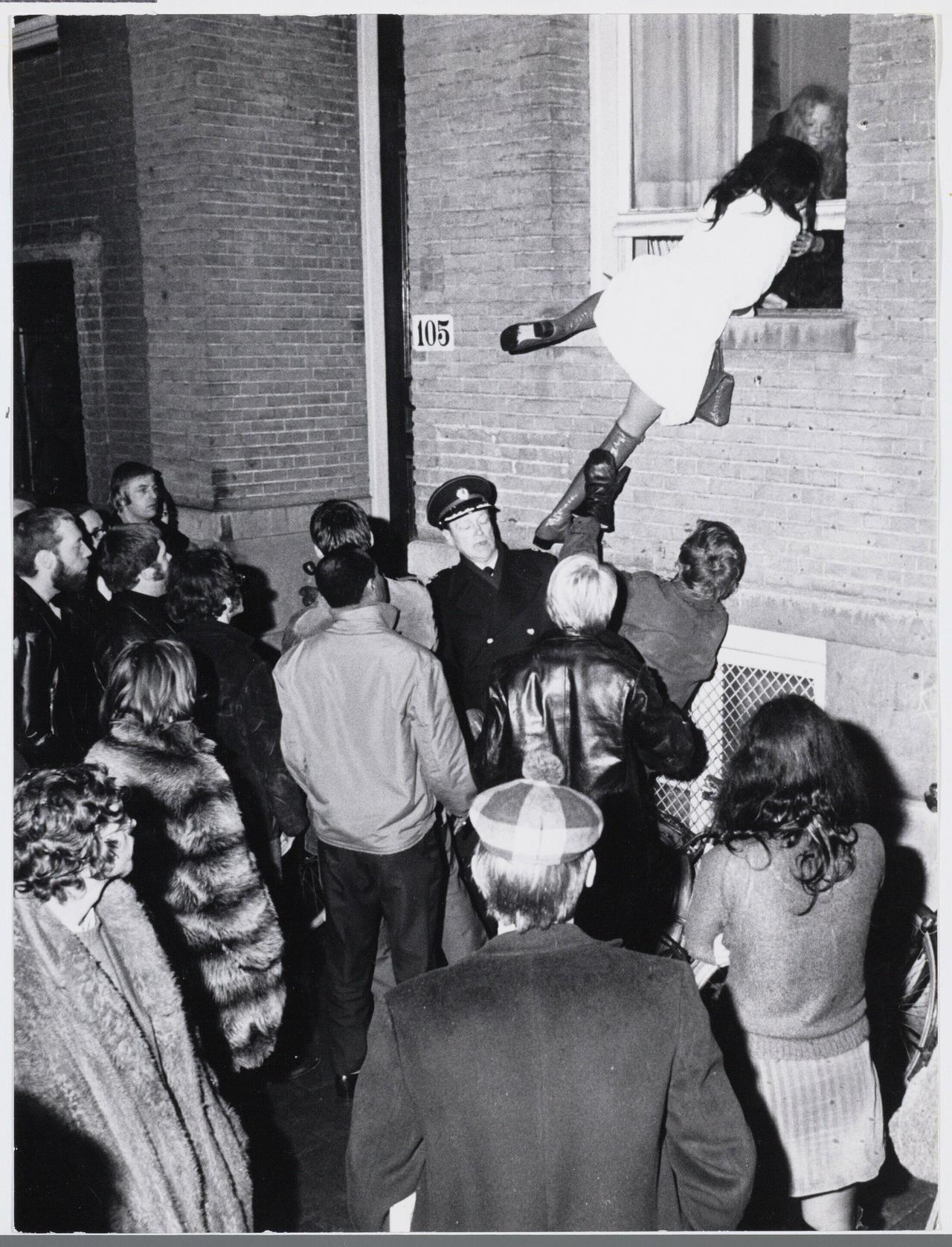
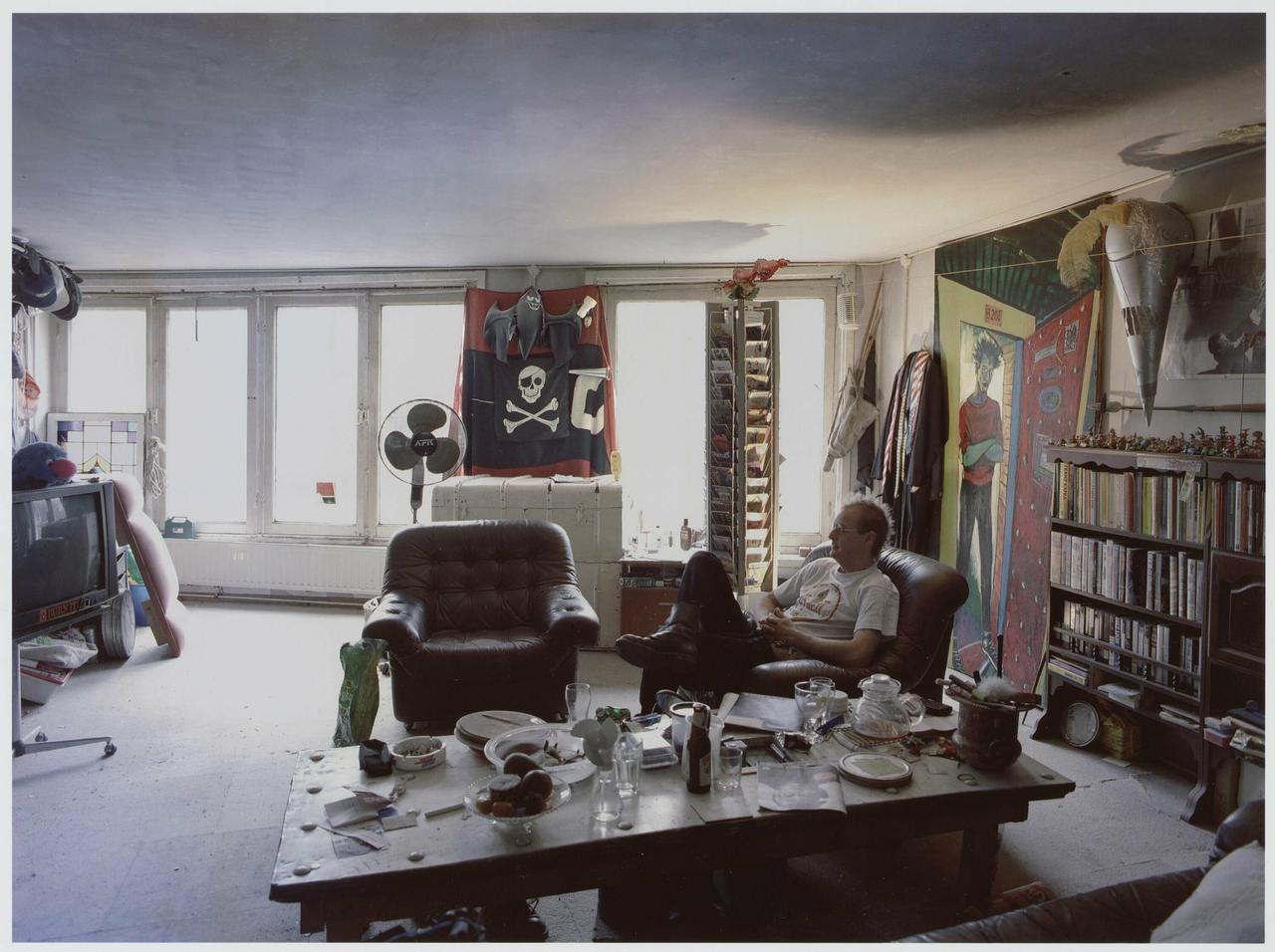
The phenomenon of squatting abandoned or unused buildings without the owner's permission, known as the 'squatting movement', has a long history in Amsterdam and remains a subject of debate. The squatting movement has its roots in the 1970s and 1980s, when a wave of squatting activity swept the city in response to severe housing shortages and high rents. Within this movement, different groups, such as artists, activists and students, involved themselves in taking possession of vacant buildings. These buildings were transformed into temporary living and cultural spaces.
Over time, the Dutch government took steps to regulate the phenomenon of squatting. In 2010, for example, anti-squatting legislation was introduced that explicitly prohibited squatting in buildings for habitation. This means that squatting in buildings intended for habitation has become illegal. Nevertheless, it is still possible to squat in other types of buildings, such as offices or warehouses, resulting in ongoing debates on the issue, not only in Amsterdam but also elsewhere in the Netherlands.
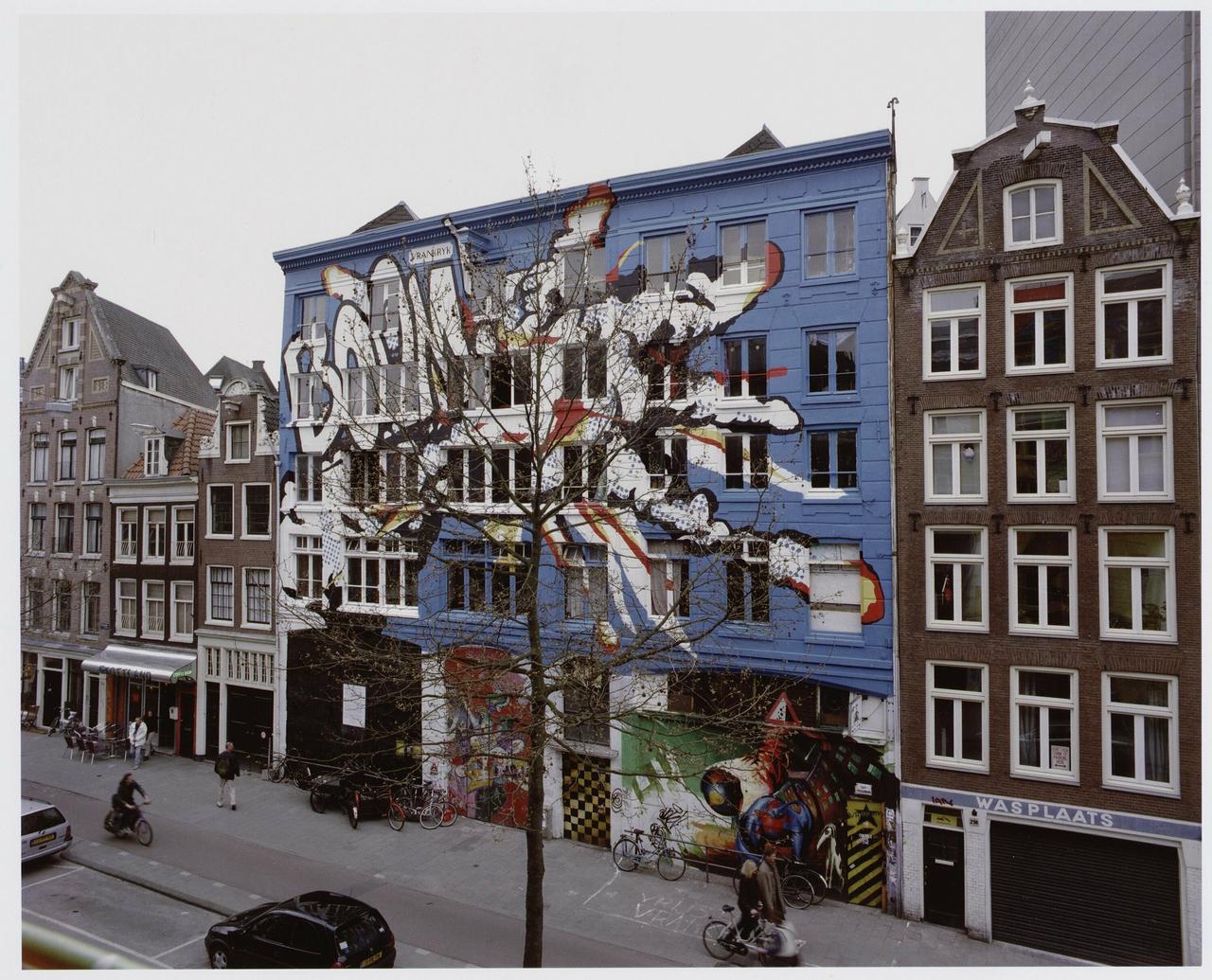
The impact of the squatting movement on the city of Amsterdam has been considerable. Iconic venues such as the Melkweg and Paradiso were once squats before reaching their current status as renowned cultural centres. Another notable example is the Vrankrijk building, also known as 'the Blue House', which was occupied by squatters and grew into a vibrant meeting place for alternative culture.
All in all, the history of squatter movements in Amsterdam reflects the ongoing housing problems and urban challenges facing the city, and marks an important chapter in Amsterdam's social and cultural evolution.
Any feedback for this story?