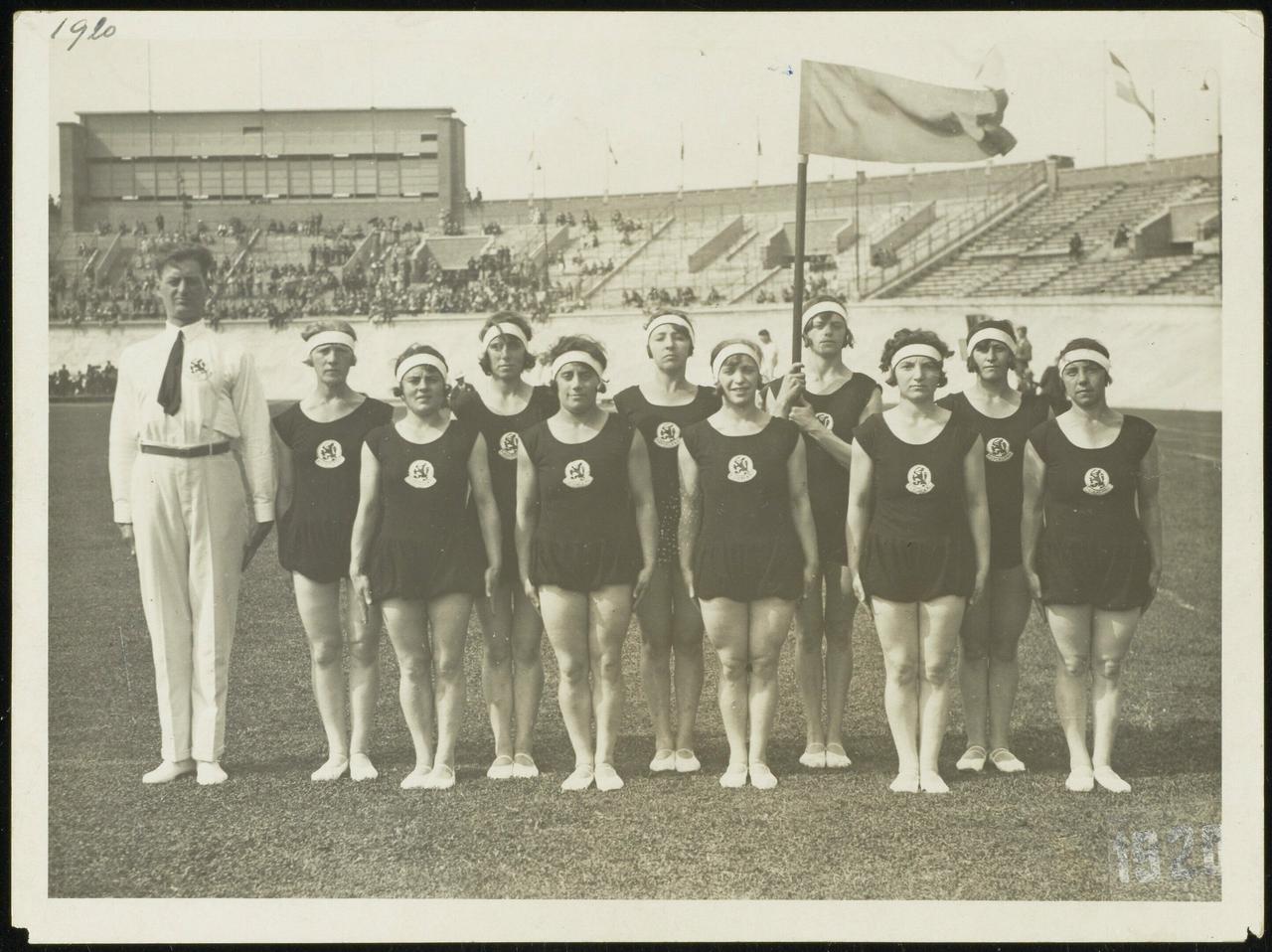
The 1928 Olympic Games
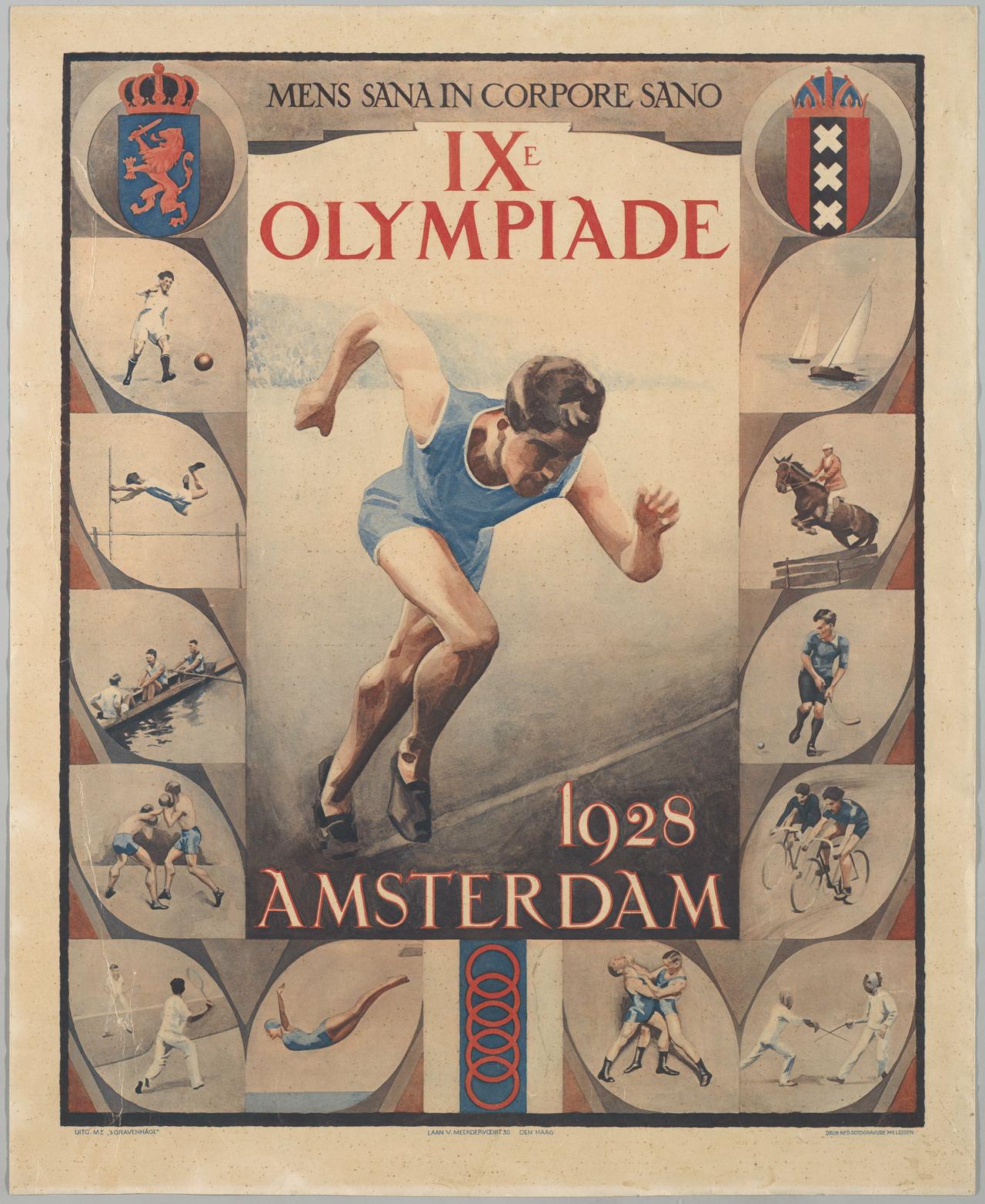
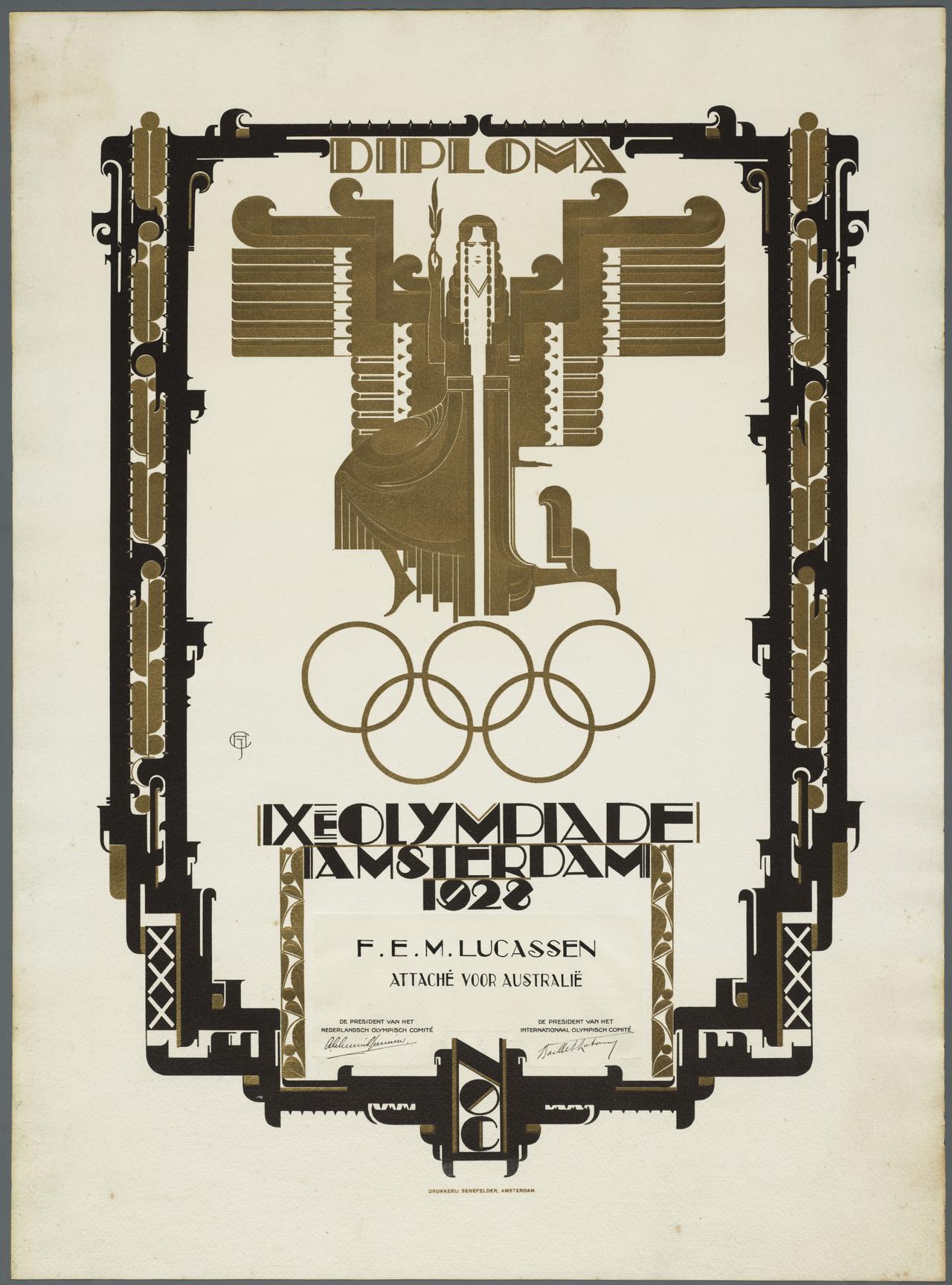
In 1928, the Netherlands hosted the Summer Olympics. This edition was the first and immediately the last time the Netherlands hosted the Olympics. Athletes from America, Europe, Asia, Africa and Australia participated in the event, making it the first edition where participants from all continents won a gold medal.
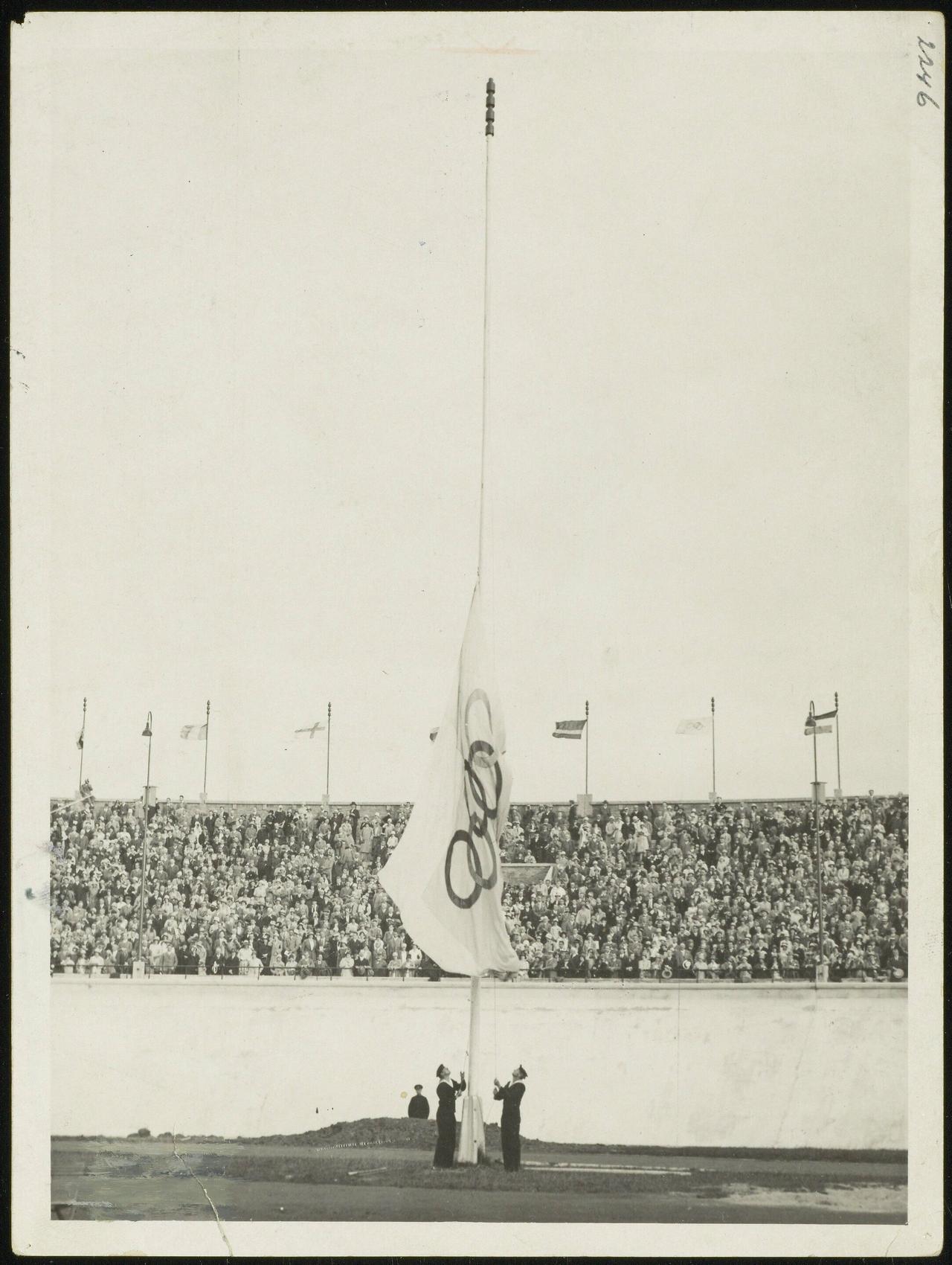
The Olympic flame was also lit for the first time during a Summer Games, a ceremony that has been an integral part of every Olympic edition ever since. Greece also led the way in the country parade for the first time.
At a time when sport did not have the technological advances of today, extraordinary achievements also took place on the sports field. British athlete Jack London attracted attention when he used a starting block for the 100-metre sprint. This was considered unconventional, as athletes at the time usually dug pits in the ground to make their starts. Although London was labelled "crazy" for this bold use, he eventually managed to win a silver medal in the 100 metres. This innovation proved to be of lasting value; starting blocks are unmissable in the world of athletics today.
However, the 1928 Games were not received without criticism. Debate arose over female participation in sports such as swimming and athletics. Important figures, including Pierre De Coubertin, founder of the modern Olympic Games, raised objections to female participation, claiming it would have a negative impact on femininity and health.
Despite this controversy, the 1928 Games were a crucial milestone in the evolution of the Olympic movement. They not only laid the foundation for modern Olympic traditions, but also brought to light important issues of diversity and gender equality, giving the event a lasting impact on the sports world and society.
Any feedback for this story?