The Concertgebouw
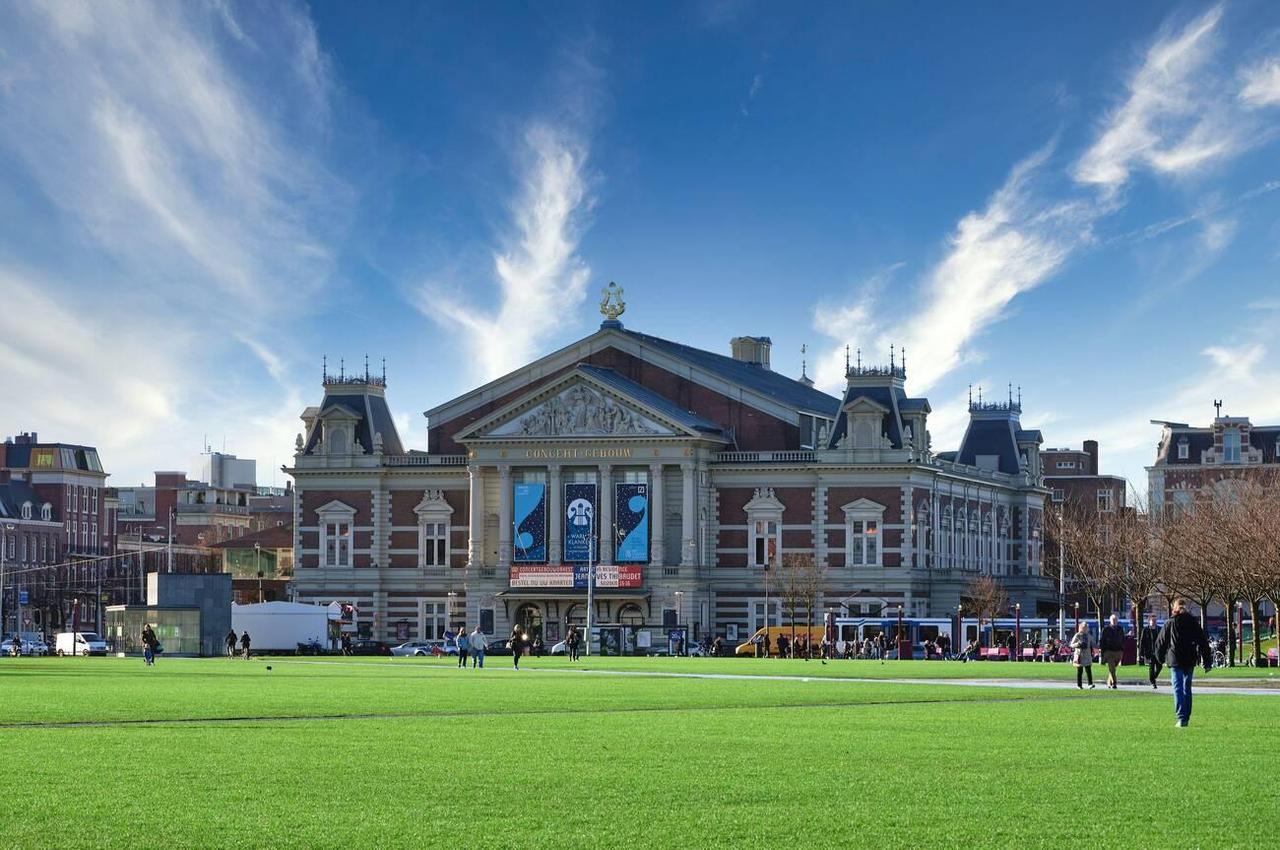
On 11 April 1888, the opening of the Concertgebouw at the foot of Museumplein marked an important moment in cultural history. Designed in the opulent neo-Renaissance style by Dutch architect Adolf Leonard van Gendt, this prestigious concert hall quickly became a landmark of Amsterdam and a centre for musical sophistication.
The motivation for building the Concertgebouw went beyond a mere remark by composer Johannes Brahms, who argued that Amsterdam deserved a concert hall of international stature. The real motivation was the urgent need for an outstanding concert hall that could position Amsterdam as a leading musical centre.
A striking golden lyre, placed atop the building, represents the rich musical heritage nurtured within its walls. This lyre, inspired by the instrument of Apollo from Roman mythology, symbolises the essence of music and art that comes alive in the Concertgebouw.
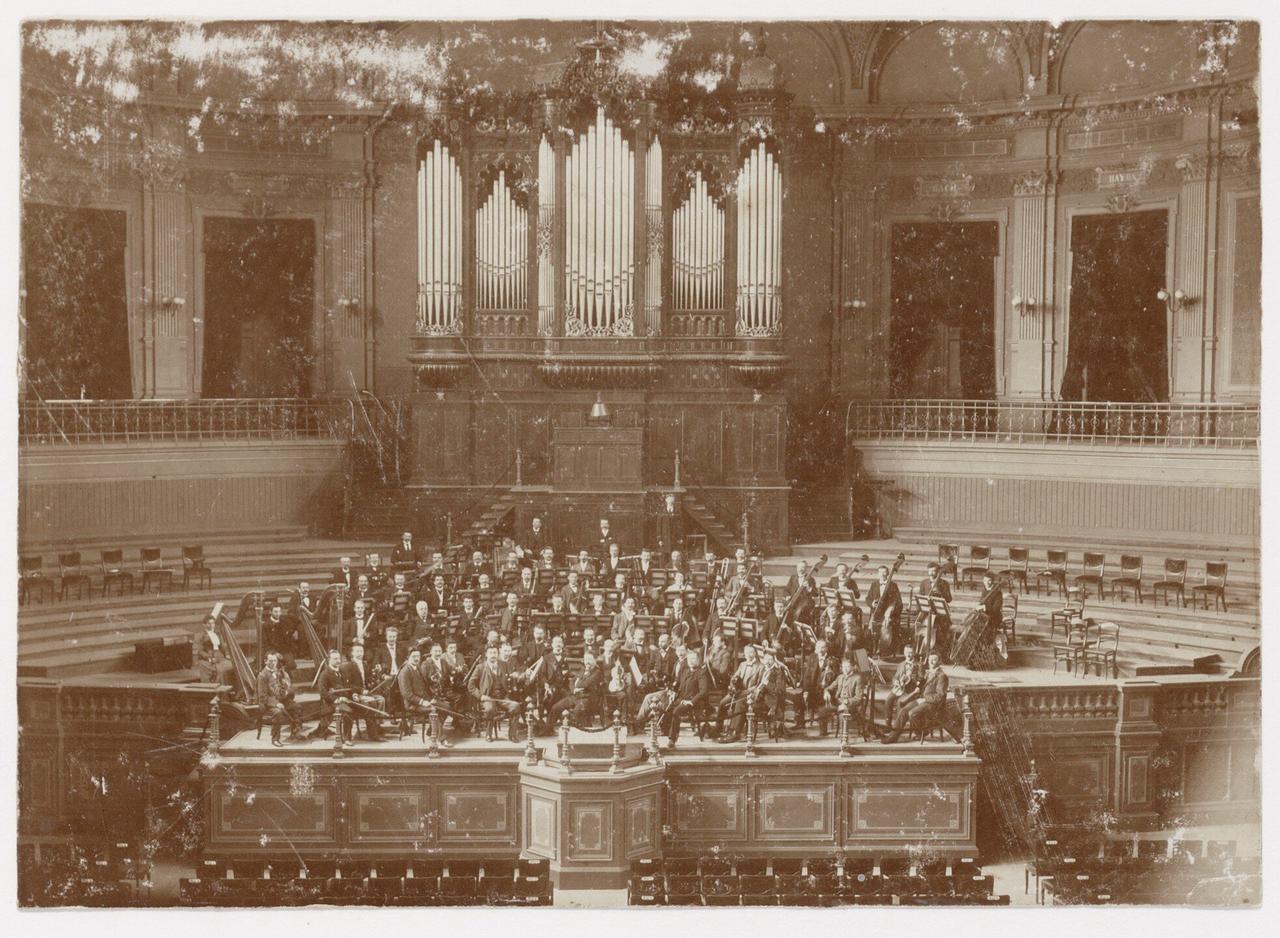
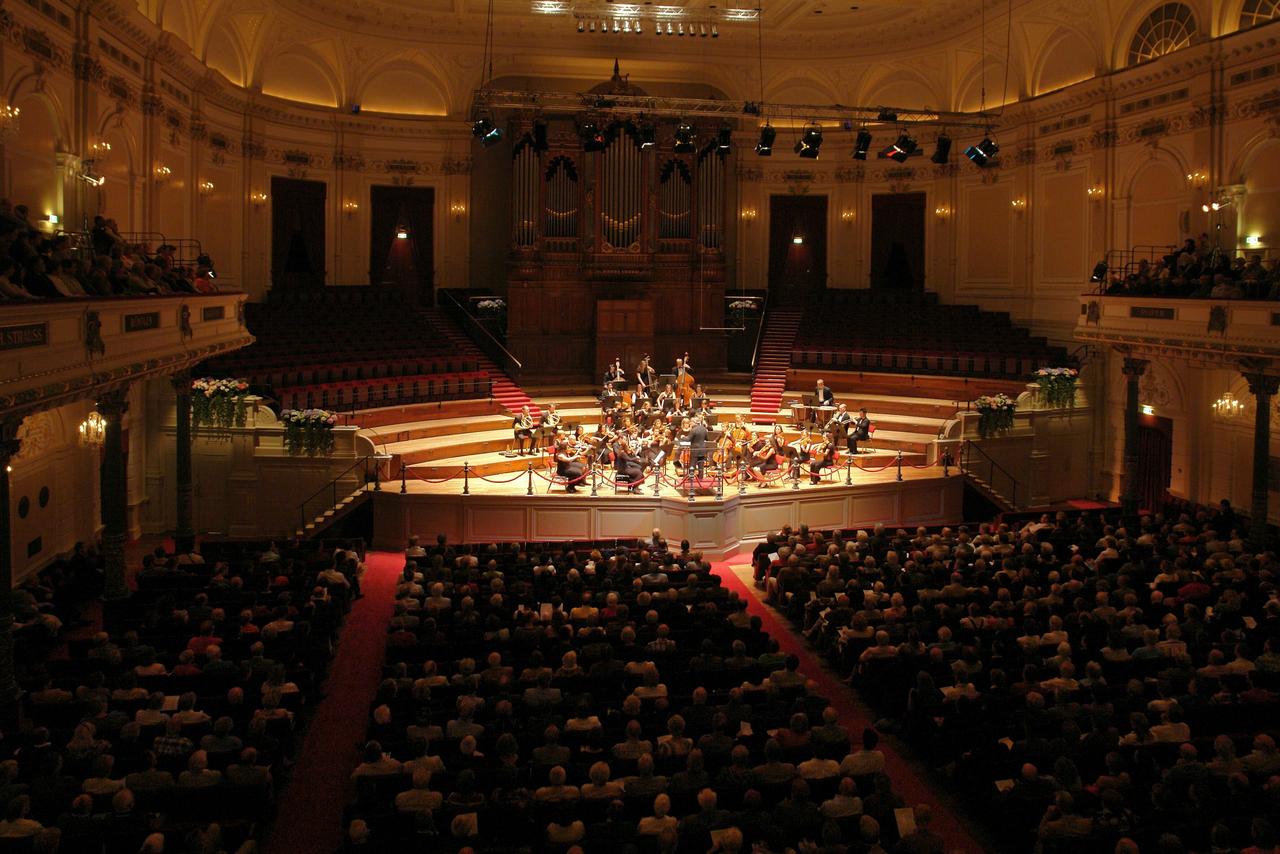
Apart from its architectural grandeur, the Concertgebouw is also home to four magnificent halls, each with a unique ambience and acoustics. The Great Hall, the Small Hall, the Choir Room and the Hall of Mirrors together form a versatile space for various musical performances.
Every year, the Concertgebouw attracts around 700,000 visitors, who are enchanted by the sublime fusion of sound and architecture. Besides classical music, the Concertgebouw also serves as a stage for pop music, where celebrities such as Frank Sinatra, Paul McCartney and Aretha Franklin have shared their unforgettable sounds.
Any feedback for this story?