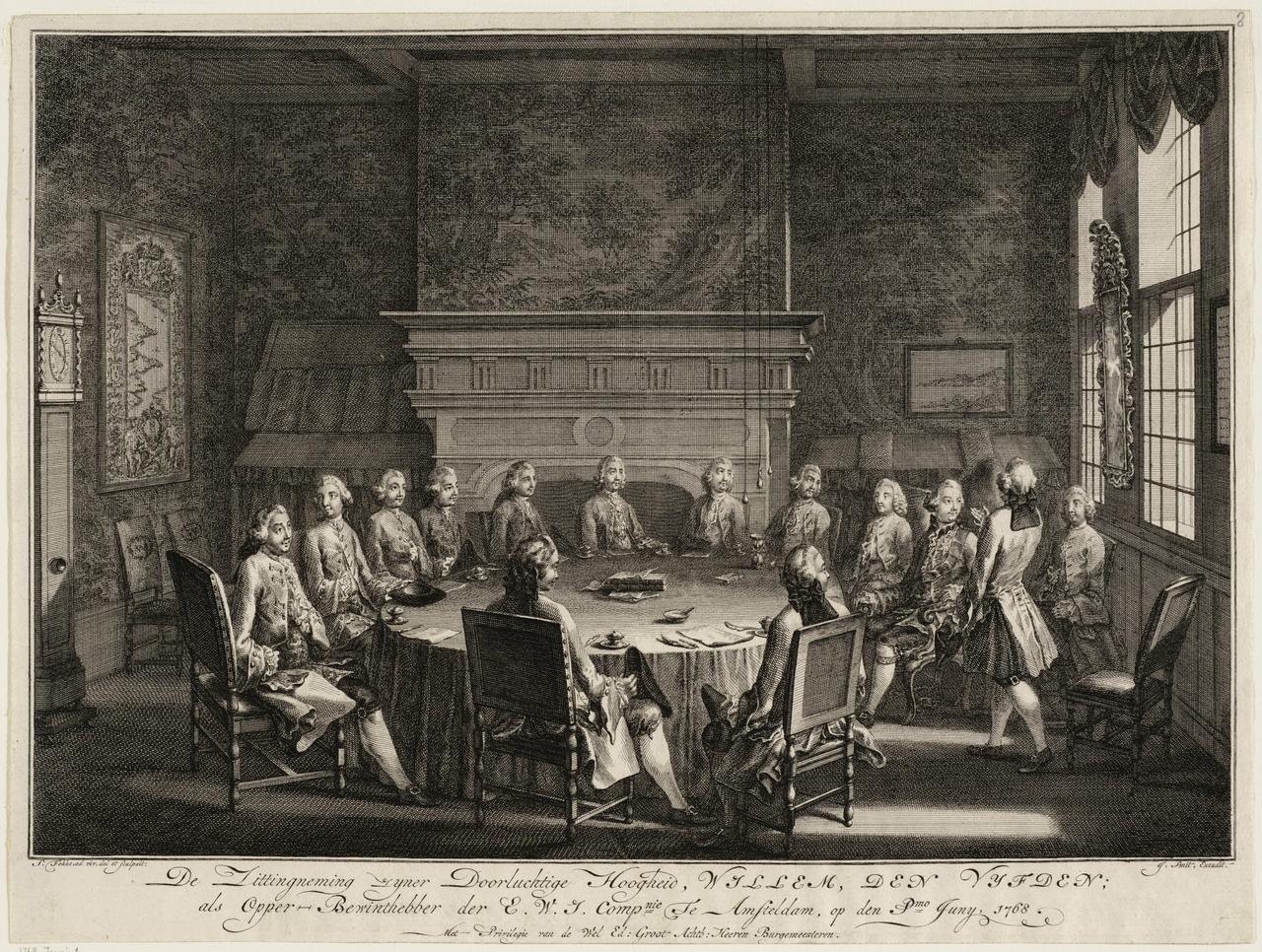
The Dutch West India Company (WIC)
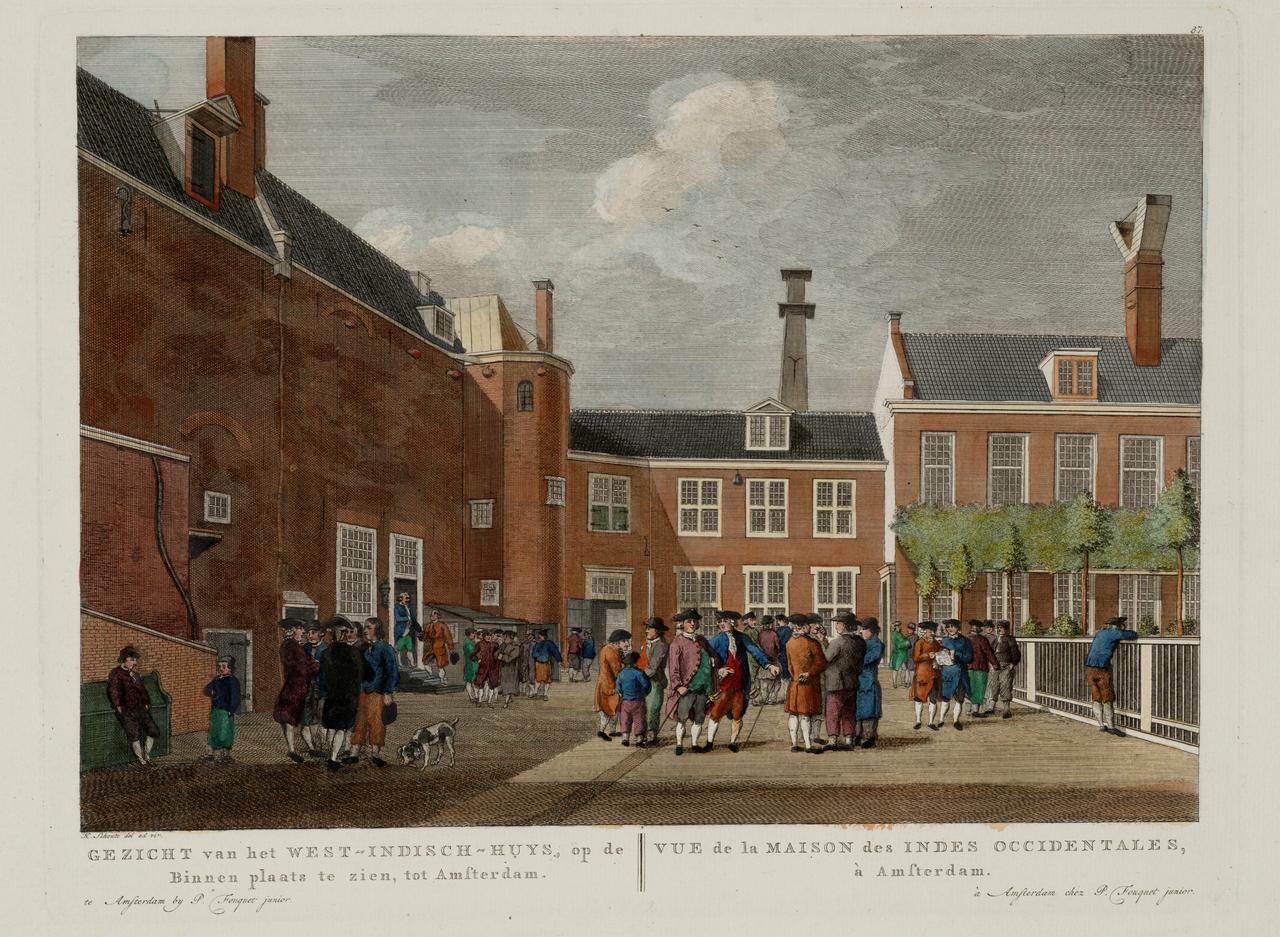
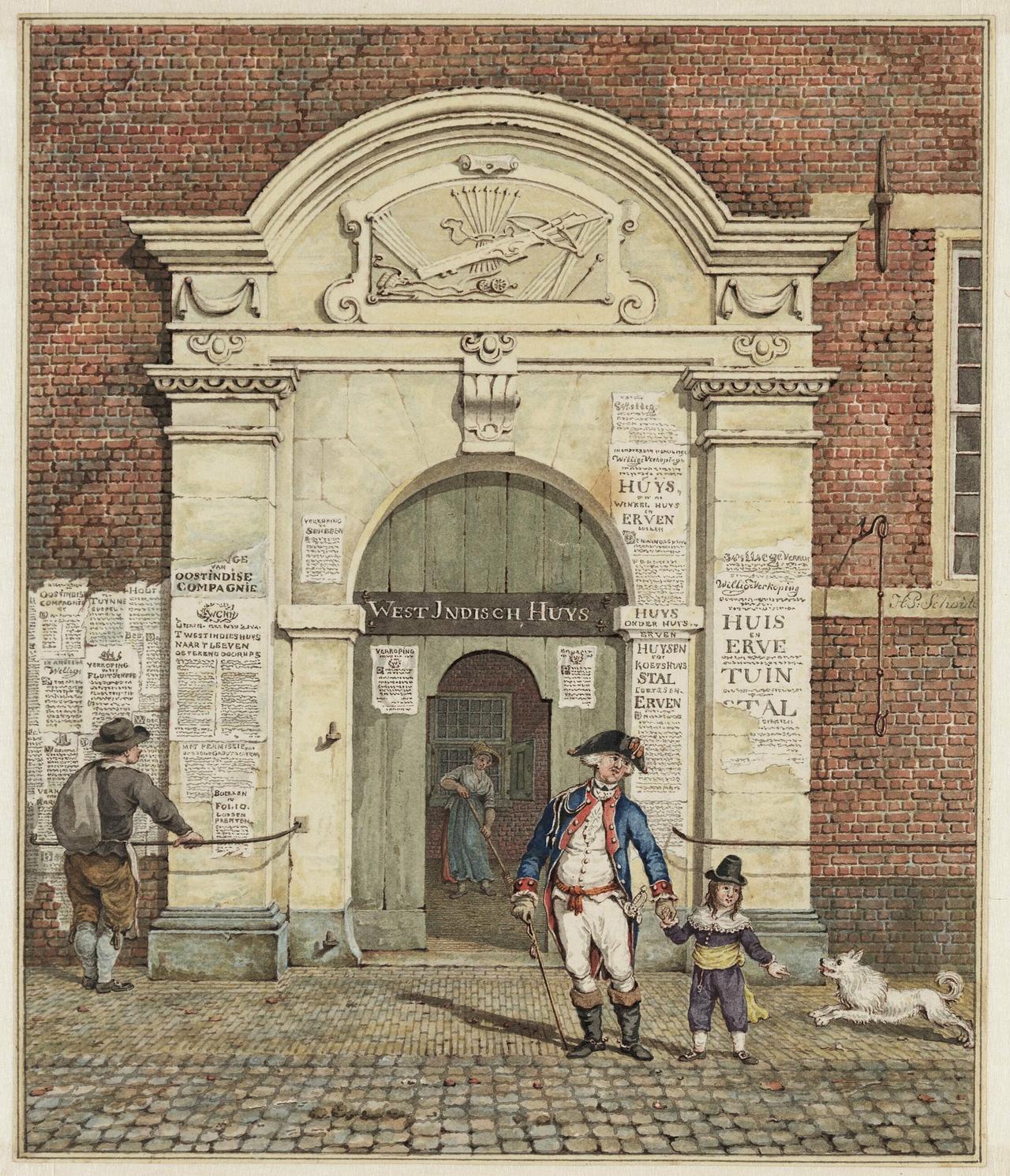
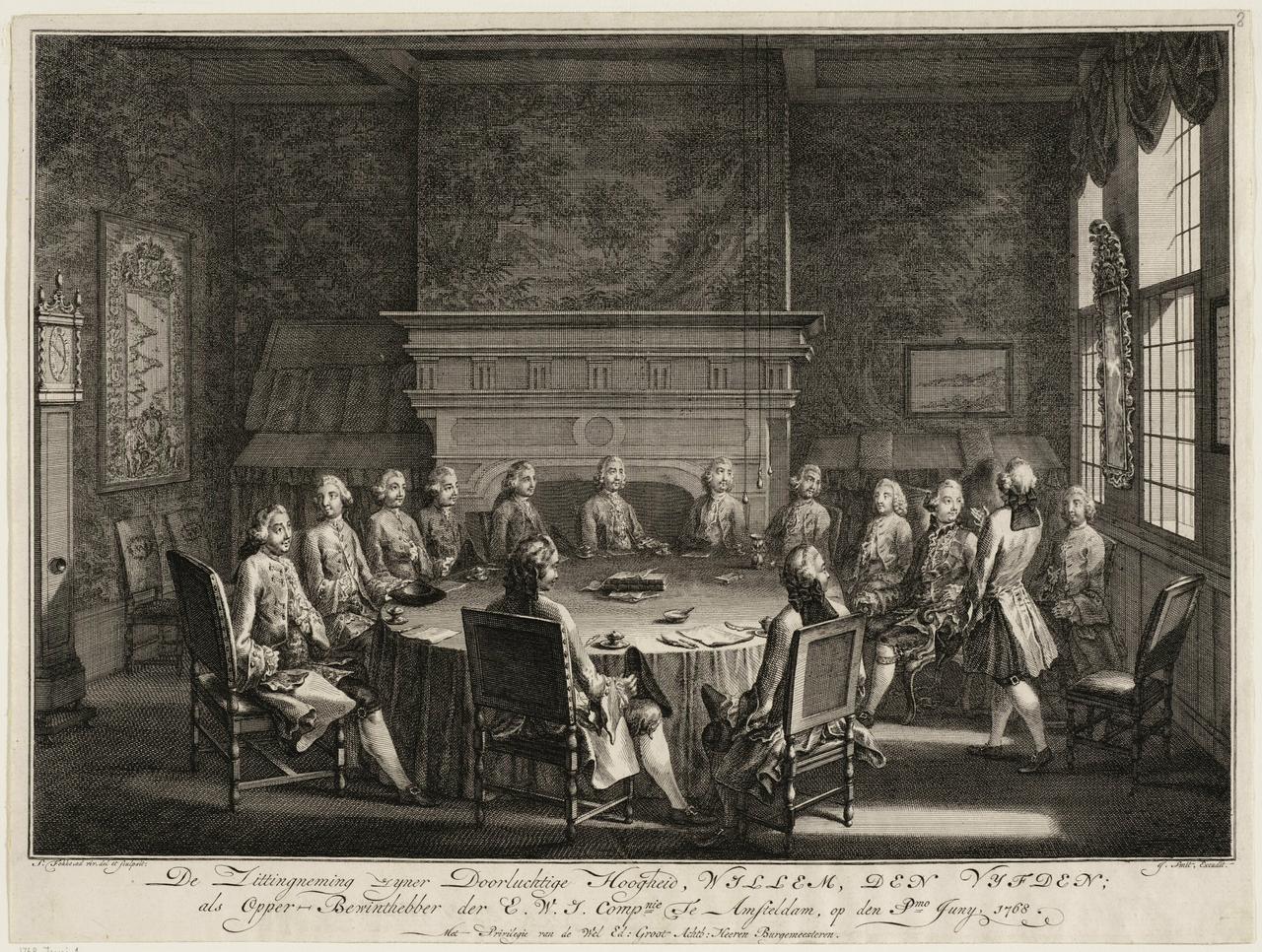
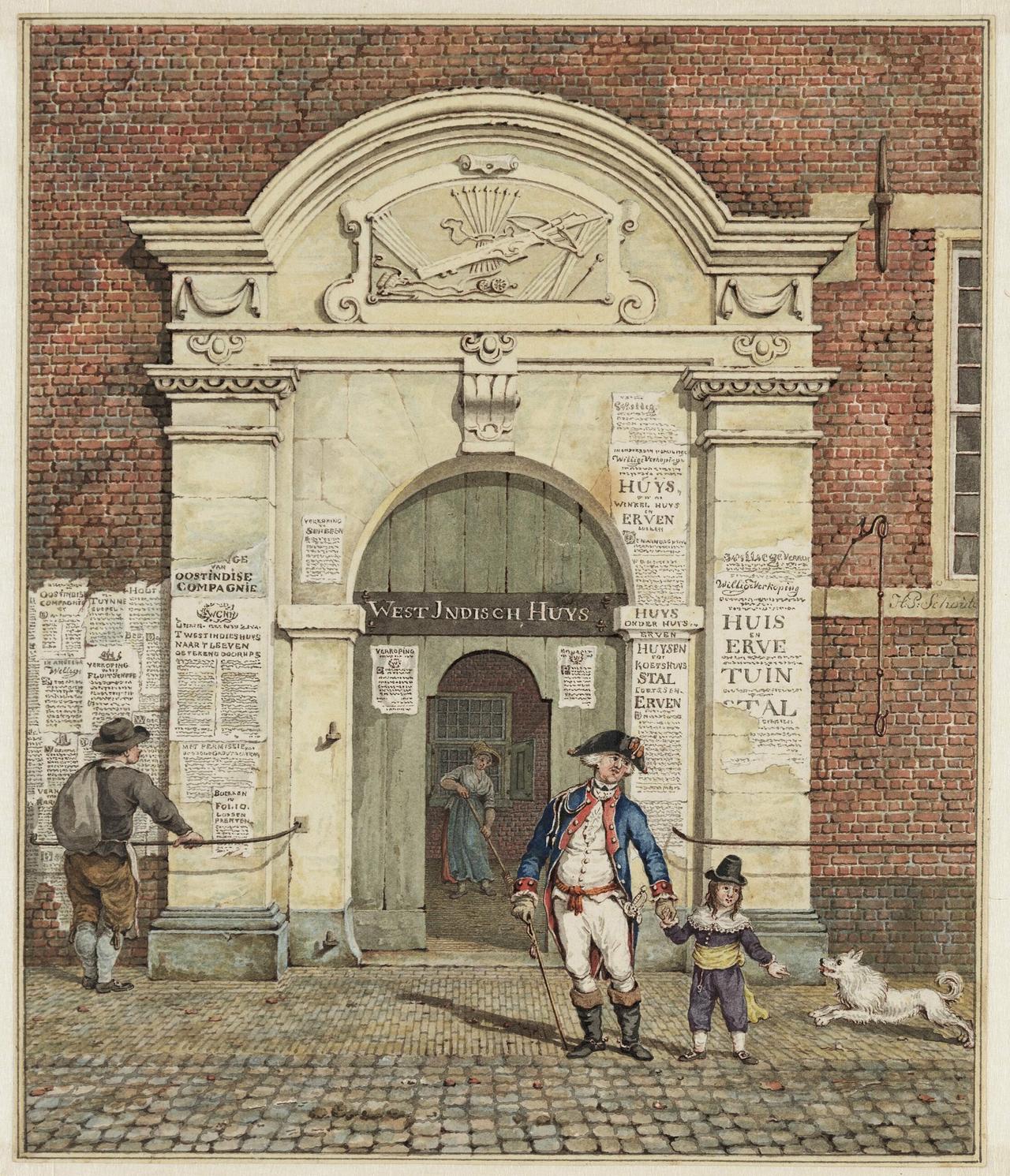
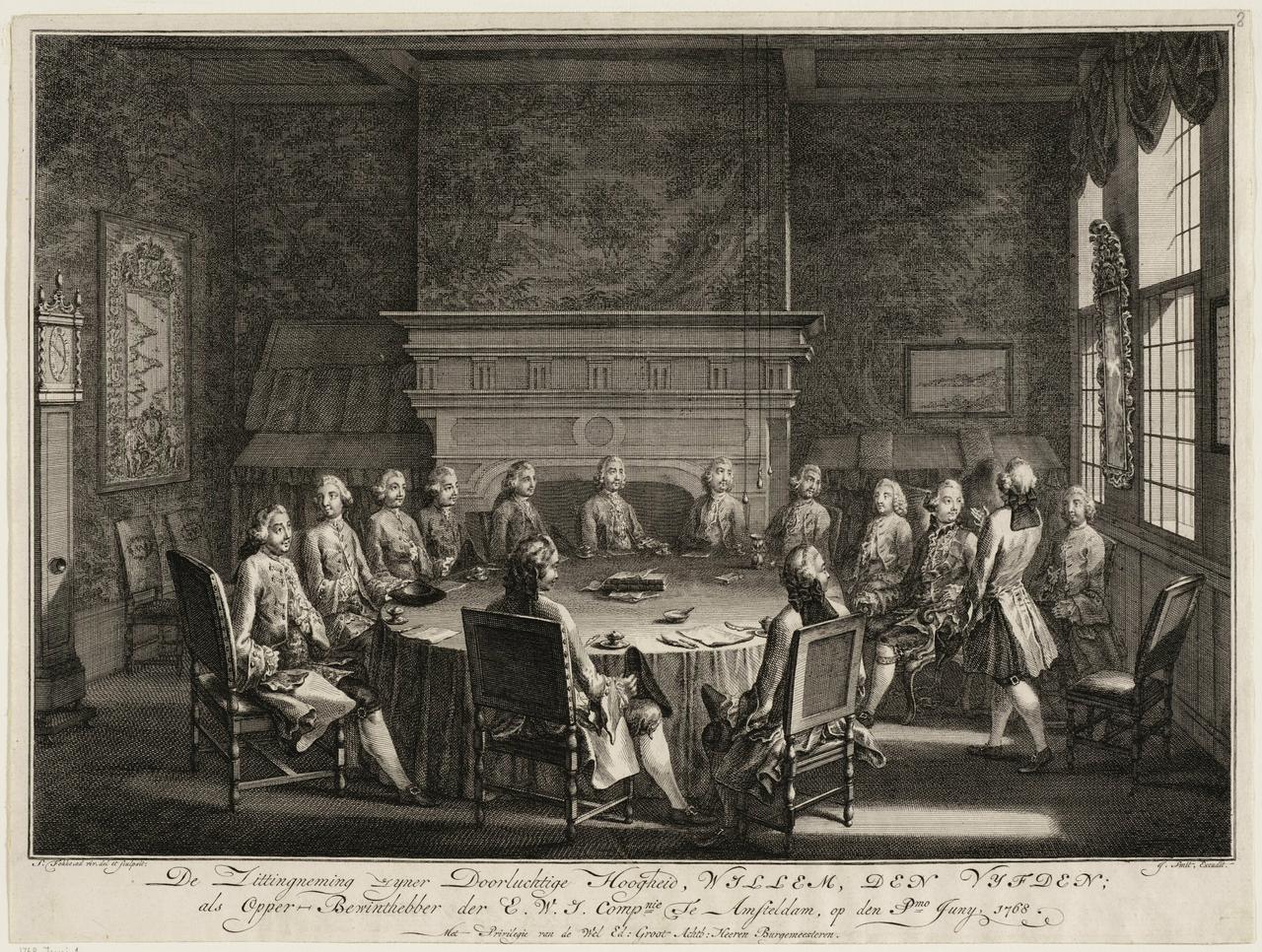
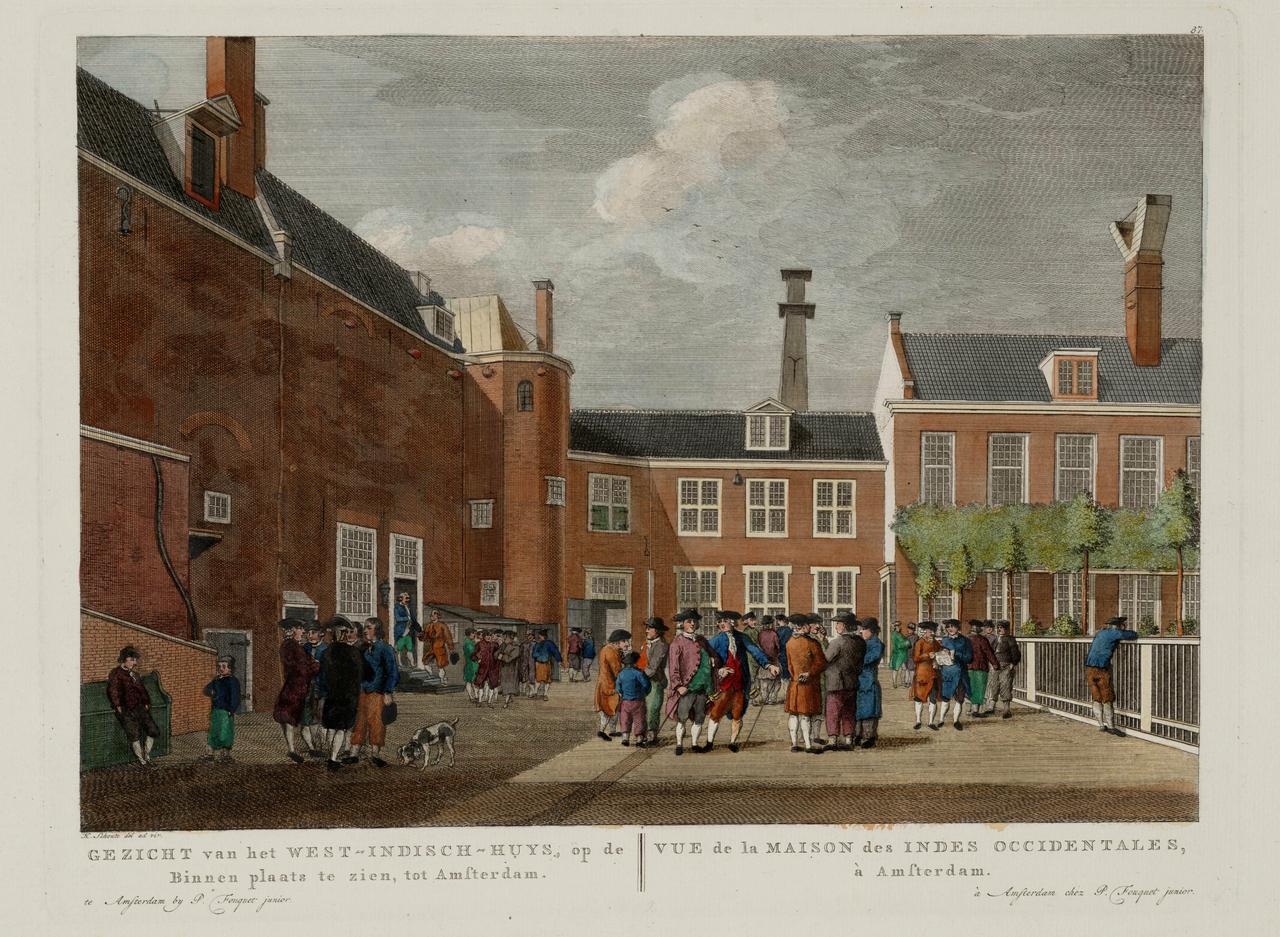
The West India Company (WIC) was a Dutch trading company founded in 1621. Its aim was to trade with countries in West Africa, South America and the Caribbean, as well as to conquer colonies and monopolise trade in those areas.
The WIC was one of the most influential companies during the Golden Age in the Netherlands. Its trading activities were of great importance to the Dutch economy and generated a lot of money. The then WIC also met with criticism. Indeed, the WIC was. involved in the slave trade, trading people from West Africa as slaves so that they could work on plantations in the Caribbean. In addition, the WIC traded in goods such as tobacco, sugar, cocoa, wood, salt and ivory.
The WIC quickly acquired colonies in the Caribbean, including Curaçao and Suriname, which were of great economic importance. These colonies gave the WIC great power and wealth.
During the Golden Age, the WIC had an important influence on the Dutch economy and politics. WIC profits were used to strengthen the Dutch navy and invest in Dutch trade. Moreover, the WIC had a lot of influence in Dutch politics and many administrators and politicians were connected to the WIC.
The difference between the WIC and the VOC (United East India Company) was that the VOC focused mainly on trade with countries in Asia, while the WIC focused on West Africa, South America and the Caribbean. Both companies pursued profit maximisation and colonial expansion.
In contemporary times, the WIC is sometimes controversial for its involvement in the slave trade and exploitation of colonies. The treatment of local people by the WIC and other European colonial powers has been criticised. These criticisms have led to a reassessment of the WIC's role in the history of the Netherlands and Europe. Nevertheless, the VOC and the WIC had a huge influence on the development of the Netherlands during the golden age.
Any feedback for this story?