The Exchange Bank
On 31 January 1609, the Amsterdam Exchange Bank was founded by Flemish merchant Dirck van Os, with the support of the city of Amsterdam. Known as one of the earliest institutions in Europe specialising in currency exchange, this bank was a pioneer in offering bank accounts not only in coins but also in precious metals, a first almost a century before the Bank of England opened its doors.
In the 17th and 18th centuries, Amsterdam developed into an important financial centre and a hub of international trade. The city attracted diverse visitors, as well as a multitude of different currencies. There were 500 different types of coins in circulation in Amsterdam, both legal and illegal, with no uniform system for valuation or exchange to local currency. The Wisselbank offered a solution to this problem by exchanging each coin for a generally accepted trading currency, thus fulfilling an essential function for the Dutch population.
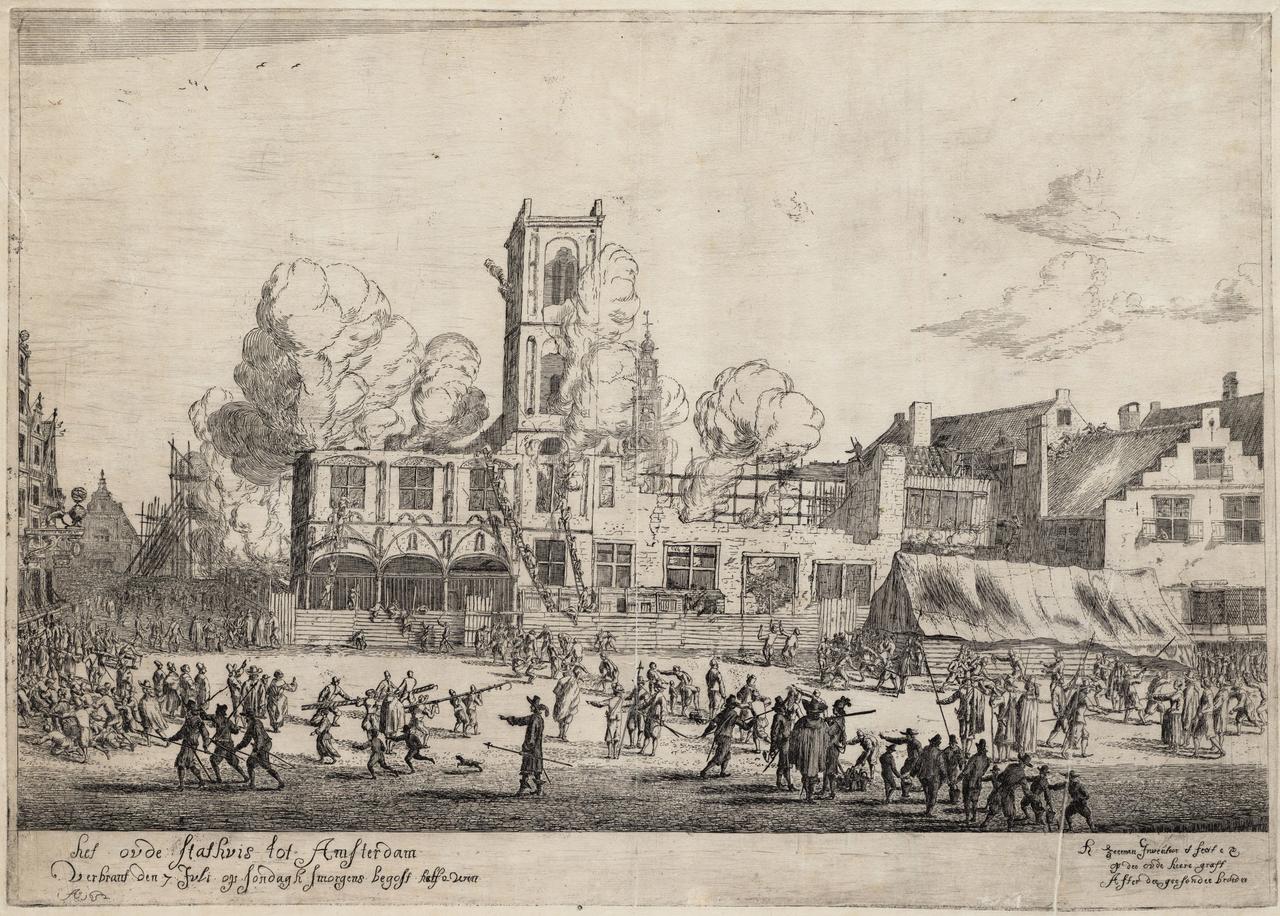
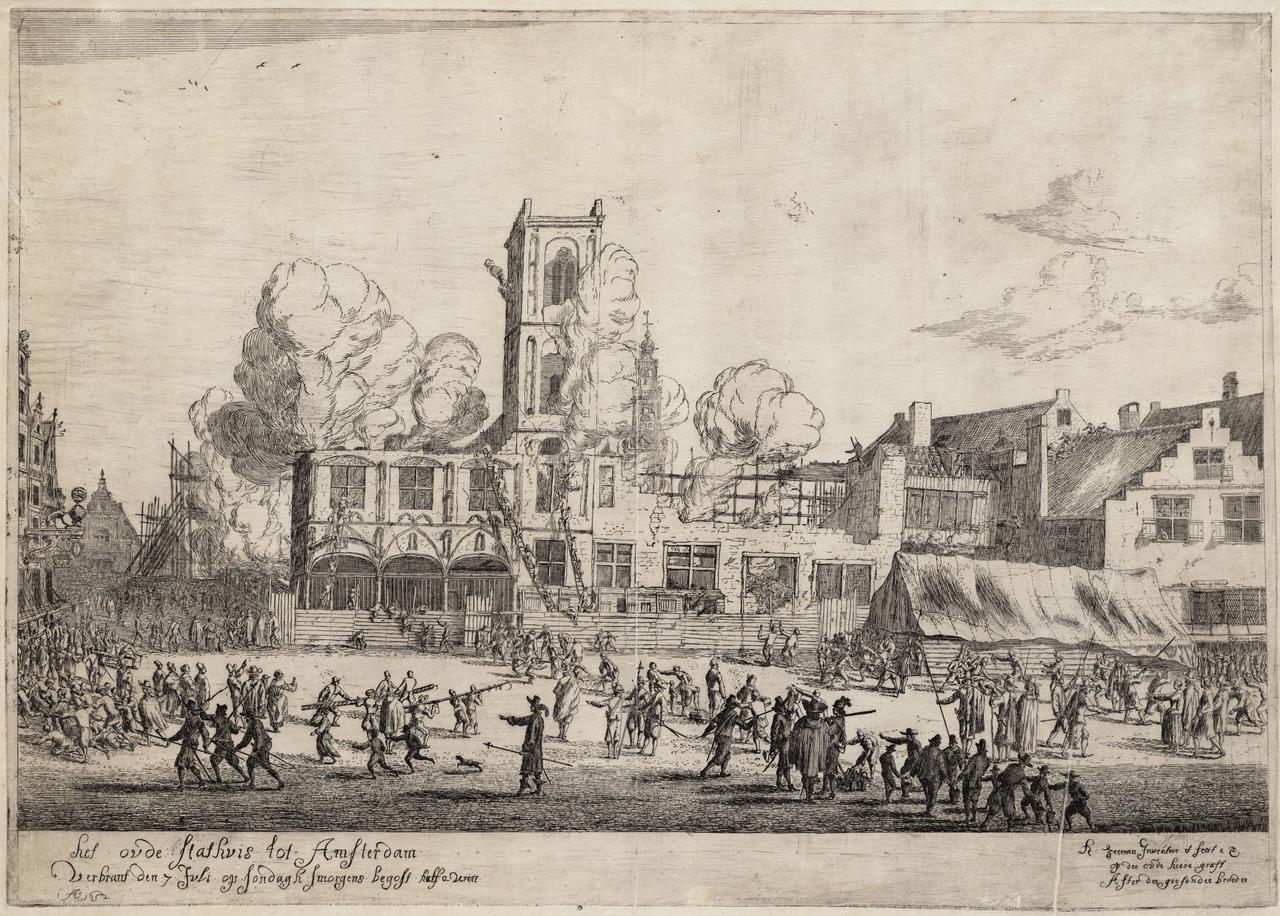
The Exchange Bank was located in Amsterdam's old city hall, which stood on the spot where the Paleis op de Dam can now be found. This historic location underlines the importance of the Wisselbank at the heart of Amsterdam and the Dutch economy. The bank continued to play a central role in the country's economic development until the establishment of the Nederlandsche Bank in 1814, marking the beginning of a new era in Dutch banking history.
Any feedback for this story?