The Family
--:--
--:--
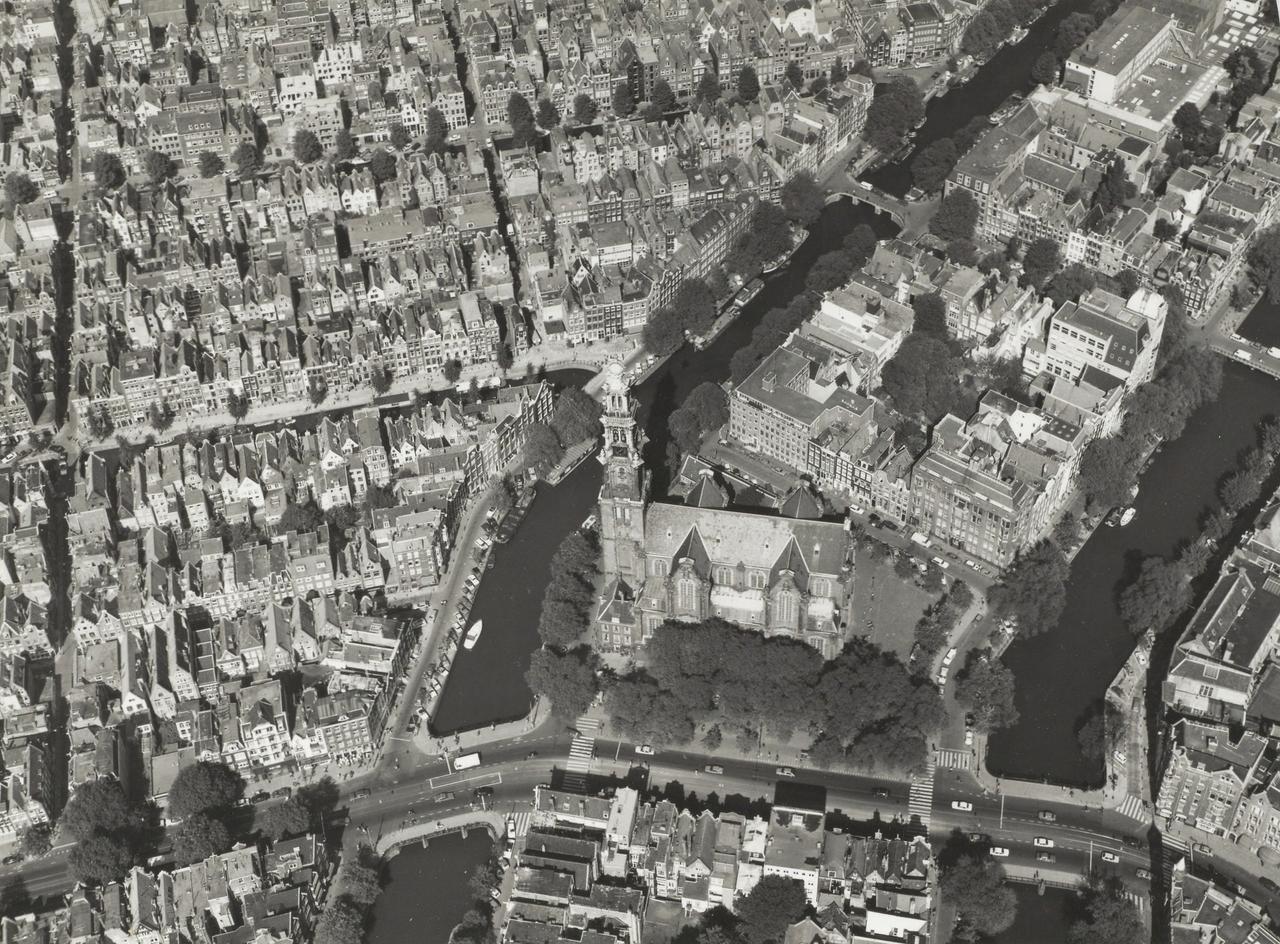
We are standing on the bridge opposite the Anne Frank House on the Prinsengracht. From here, on 4 August 1944, Jan Gies witnessed the arrest of the Frank family and their helpers. After hearing that the Sicherheitsdienst had entered Opekta, he and Johannes Kleiman’s brother tried to see what was happening from across the canal. They watched as the people in hiding and their helpers were led into a police van and driven away. The Frank family consisted of father Otto, mother Edith, and daughters Margot and Anne. Around them stood a circle of helpers who risked everything to keep them safe: Miep and Jan Gies, Johannes Kleiman, Victor Kugler, and Bep Voskuijl provided food, clothes, news, and moral support. Without their courage, the family could not have survived so long. There were also friends from Anne’s earlier life — Hanneli Goslar, her childhood friend from the Rivierenbuurt, and Peter van Pels, the boy with whom she formed a close bond in hiding. These people shaped the world in which Anne grew up — from a cheerful Amsterdam girl into the voice of millions. Now, 80 years later, her diary remains one of the most important books ever published about the war, of immeasurable value.
Any feedback for this story?