The Gay Capital of the World
In the second half of the twentieth century, Amsterdam grew into what many call the “Gay Capital of the World.” Homosexuality was removed from Dutch criminal law as early as 1811, but true emancipation began after World War II.
In 1946, the Shakespeare Club was founded, which later became the COC, the oldest LGBTQ+ rights organization in the world. From the 1950s, a visible gay scene emerged. Streets like Warmoesstraat and Reguliersdwarsstraat saw bars, clubs, and meeting places appear. Café ’t Mandje, open since 1927, remained an important icon.
The 1960s and 1970s brought further openness. In 1971, Article 248bis, which treated homosexual relationships unequally, was abolished. Two years later, the COC gained official recognition. The number of nightlife venues grew, and Amsterdam gained a reputation as a safe haven where LGBTQ+ people could be themselves.
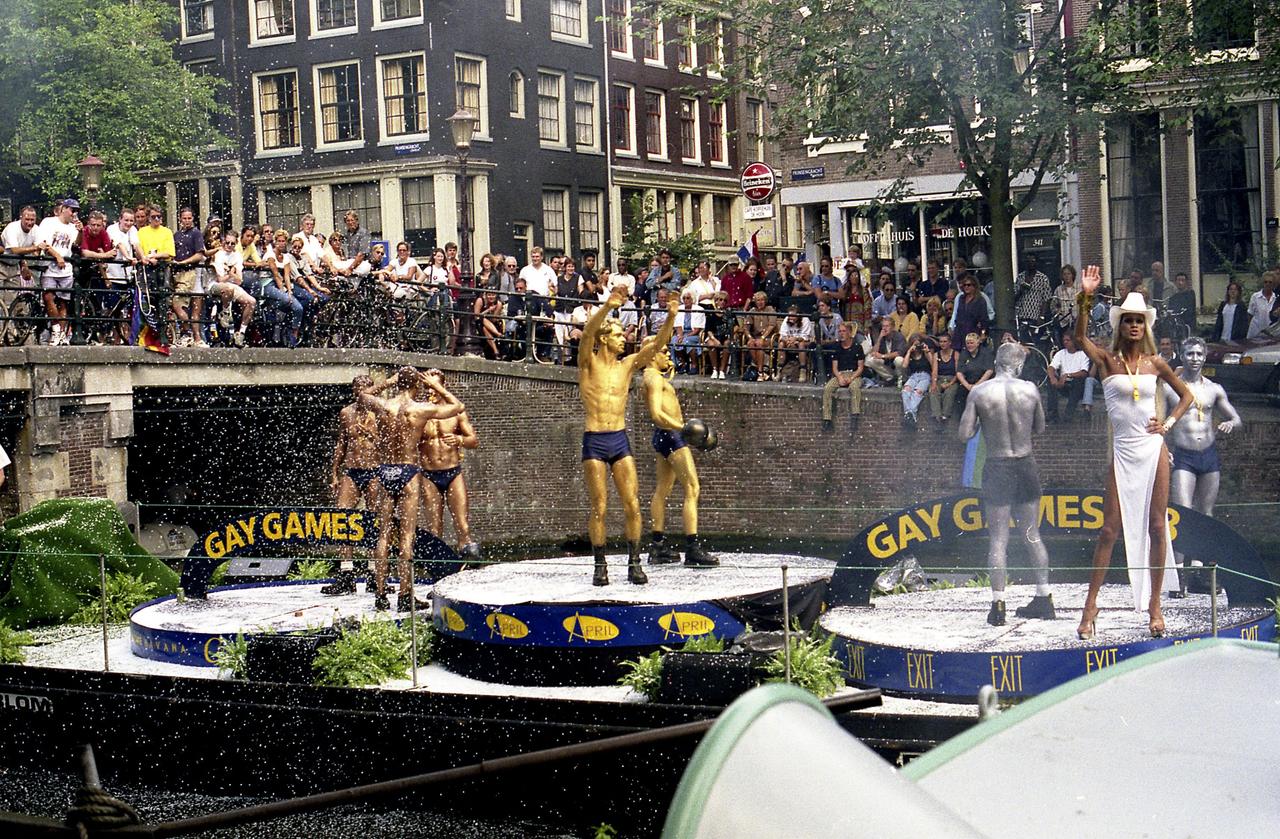
In 1987, the Homomonument was unveiled, the first monument in the world to commemorate the persecution of homosexuals. Later came major events such as the annual Canal Parade, starting in 1996, and the Gay Games in 1998. They made the city internationally known as a center of tolerance and diversity.
By the end of the century, Amsterdam was a symbol of freedom. It was also the country where, in 2001, same-sex marriage was legalized for the first time in the world—a milestone that began in this city.
Any feedback for this story?