The History of Film in Amsterdam
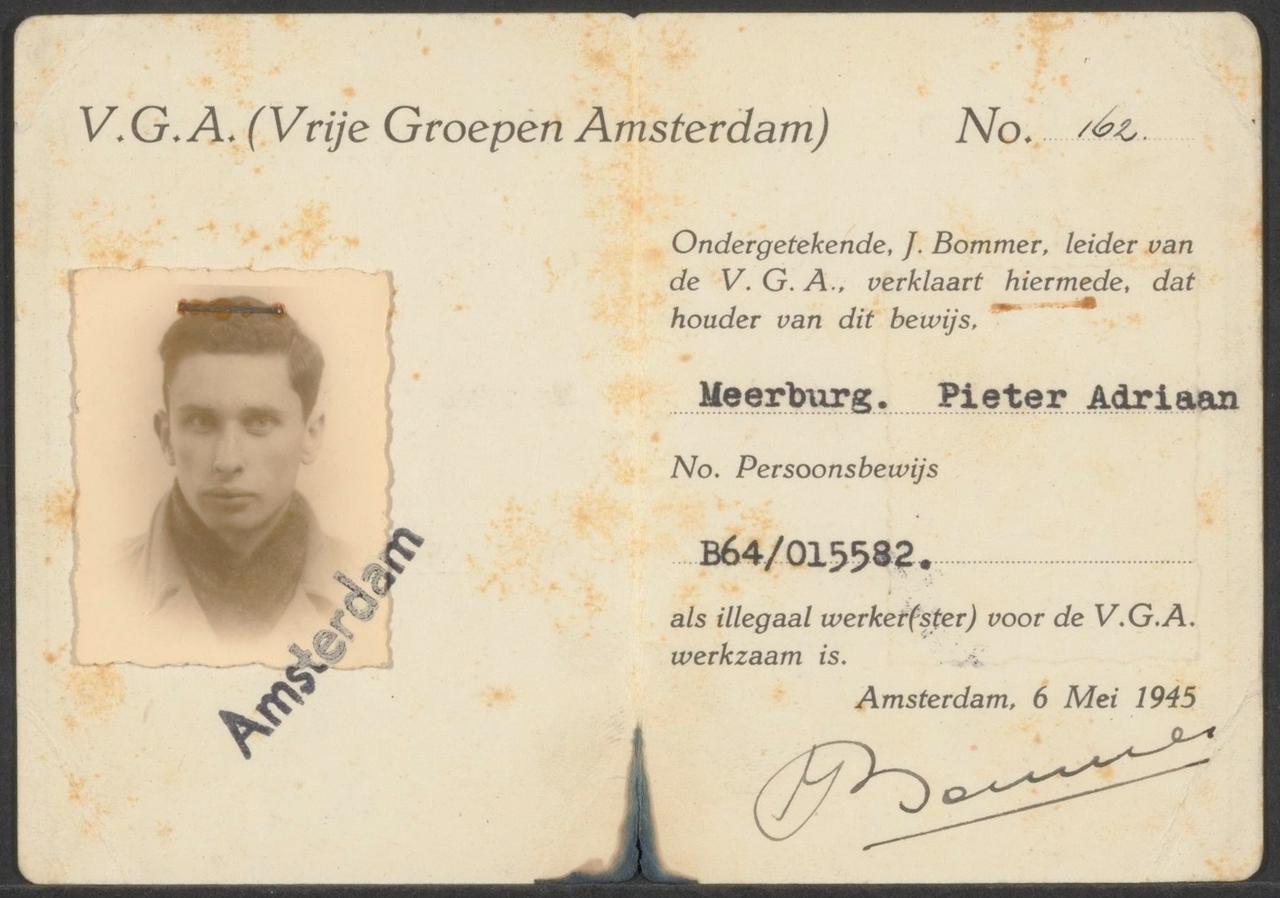
Enter the world of film, a dynamic art form that is constantly evolving. Film, once considered mainly as entertainment, has developed into a valuable cultural heritage. In the Netherlands, as elsewhere in the world, there has been a realisation that films are a mirror of our history and an important medium for creative expression. A former resistance hero, Piet Meerburg, played a crucial role in this change.
After World War II, he founded the Amsterdam student cinema Kriterion. Here, film was no longer seen purely as a consumer good, but as a window to new ideas and insights. Together with Paul Kijzer and David van Staveren, he founded the Dutch Historical Film Archive (NHFA) in 1946, an important step in preserving artistically valuable films. However, it took many more years before Willem Sandberg, a visionary, brought about a turning point. He realised that film could no longer stand on the sidelines, but had to become an integral part of modern art museums. The Stedelijk Museum hosted the NHFA, giving film an established place in the world of art. What started modestly grew steadily into an impressive collection of 30,000 long and short films by 1961.
Although the momentum was unstoppable, space was limited. The Film Museum desperately needed a location of its own. Although Rotterdam seemed attractive, Amsterdam hesitated. The Vondelpark Pavilion offered temporary relief, but soon this location proved too small for the growing collection. As talks with Rotterdam became more serious, Amsterdam suddenly awoke from its hesitation.
The prospect of losing the Film Museum brought about a remarkable change in decision-making. Amsterdam's city council was committed to keeping the Film Museum after all. Thus, the EYE Film Museum found its final home, opposite Central Station, on the other side of the IJ River. Here, film was no longer considered a temporary form of entertainment, but an invaluable framework of human stories, creativity and history.
Any feedback for this story?