The Jordaan Riot
In the Netherlands, citizens have so often stood in direct opposition to their government. In a democracy you have the right to protest, but time and again, things spiralled out of control.
Look at the monument just in front of you. Three women, linked together by a broad band, cast in bronze and placed at the entrance to the Noorderkerk. This is the Monument Jordaanoproer, unveiled in 1987 to remember a rebellion that shook Amsterdam to its core.
The year was 1934. The Great Depression had squeezed the Netherlands dry, and unemployment had become a way of life in the Jordaan. Families crowded into damp, one-room basement flats. Then the government cut unemployment benefits by 10 percent. That was the last straw.
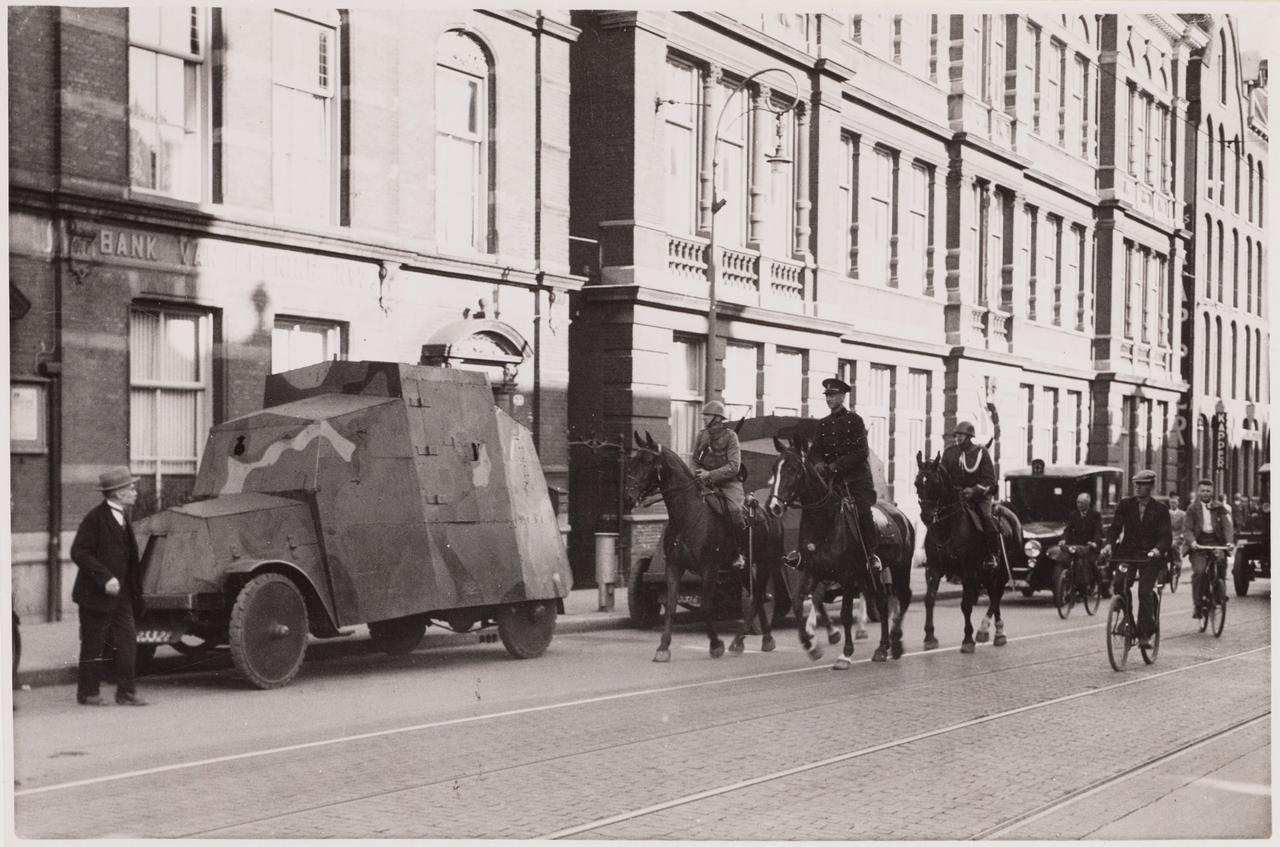
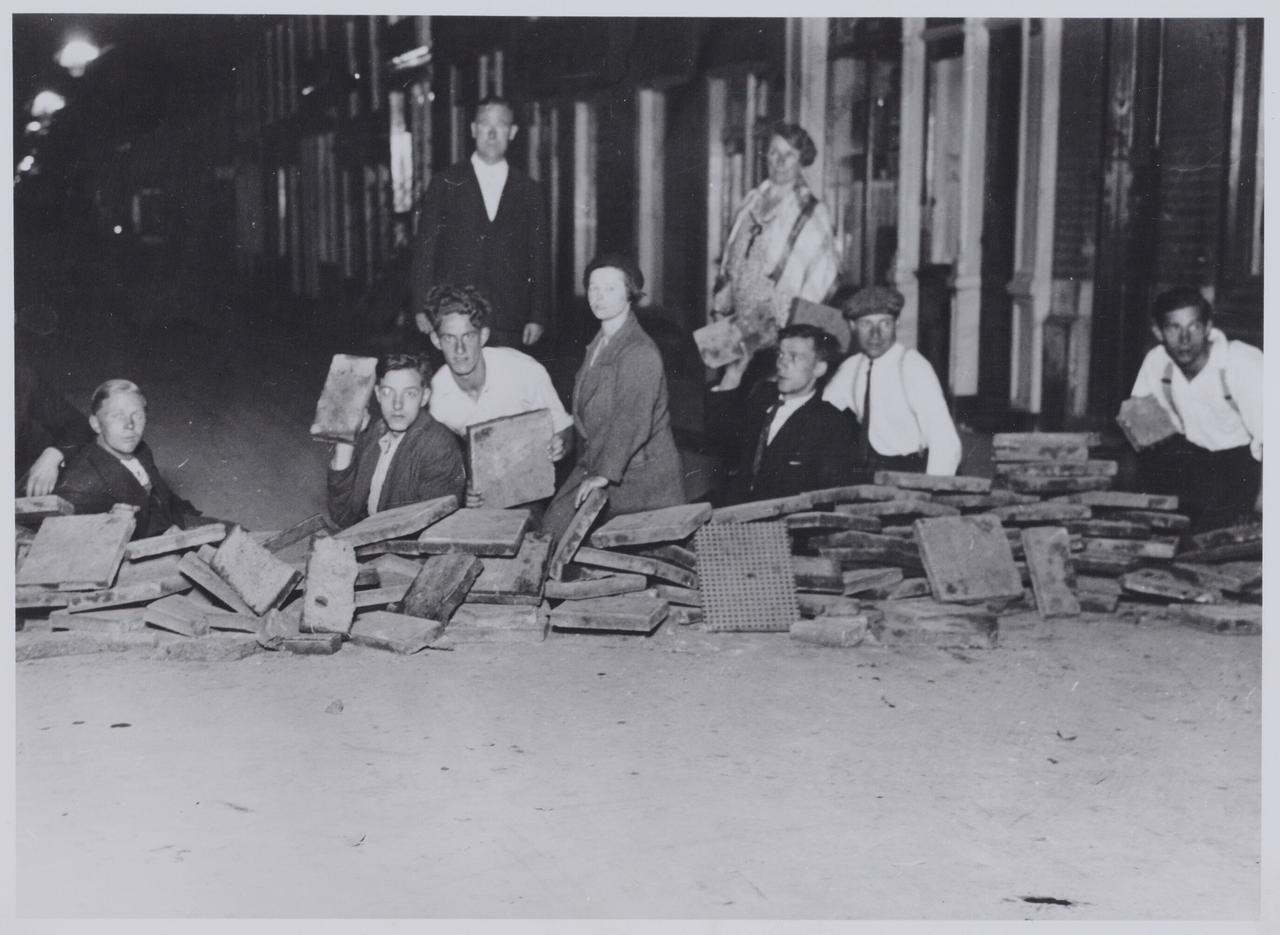
People poured into the streets around Westermarkt and Brouwersgracht, throwing paving stones, roof tiles and flower pots at police, who fired back with live ammunition. The fighting spread across the city for days. To restore order, the military was called in, but not without sacrifice. There were deaths and injuries, including a trooper who was struck by a cooker thrown from a window in Laurierstraat. Five people were killed in total, and 56 seriously injured.
The three women on this monument remind us that ordinary people, pushed to their limit, can move history.
Any feedback for this story?