The Plague House
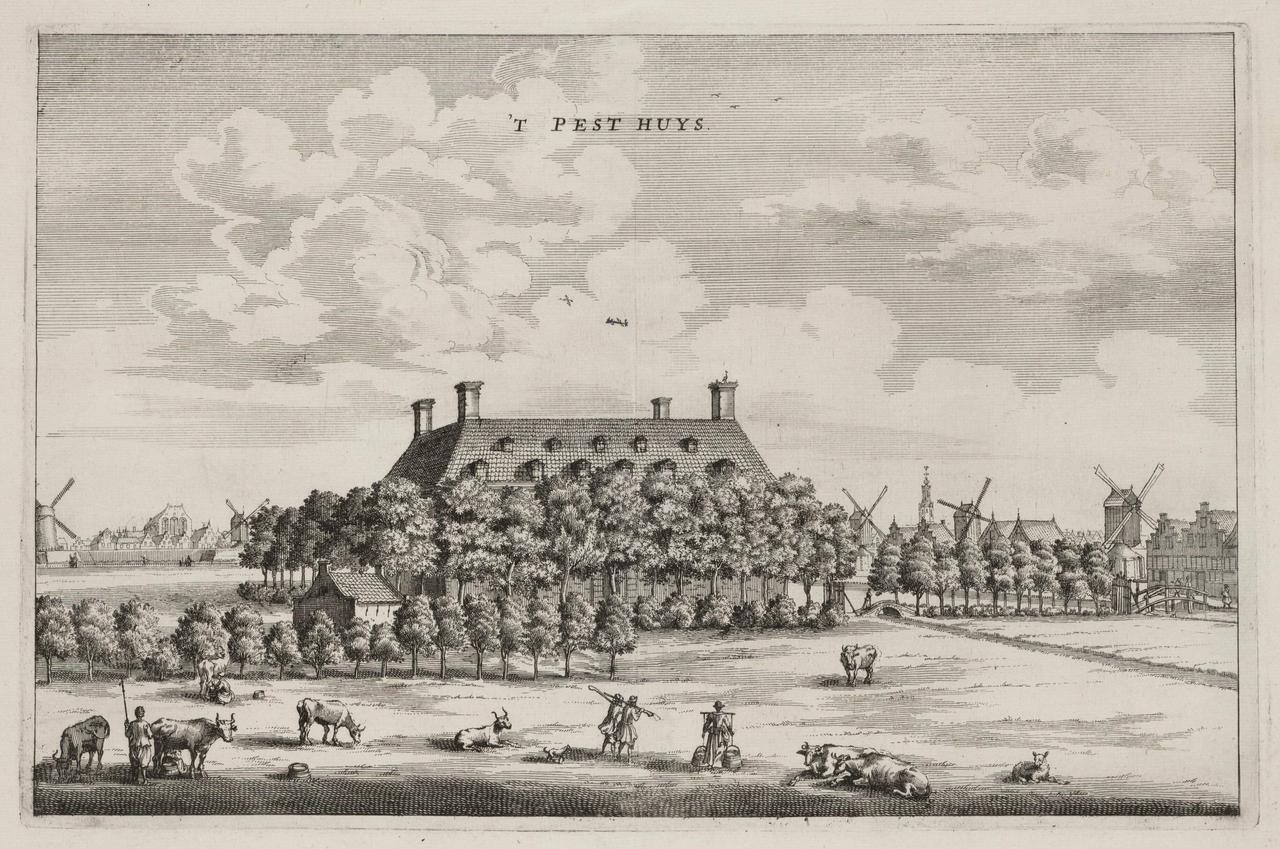
Well into the seventeenth century, Amsterdam was regularly ravaged by the devastating plague. Amsterdammers who became infected with this highly contagious disease were isolated and housed in the Pesthuis, which was located outside the city walls. In 1630, a new Pesthuis was built on the Overtoomsevaart, near today's Tweede Constantijn Huygensstraat. This modern Pesthuis could accommodate 340 cots, a remarkable improvement over the old-fashioned bedsteads. A drawing by Reinier Nooms illustrates the Pesthuis with the Overtoom prominently in view.
Plague, also known as bubonic plague or Black Death, is a devastating infectious disease caused by the bacterium Yersinia pestis. It manifests itself with symptoms such as high fever, severe abdominal pain and swelling of the lymph nodes. Historically, plague has claimed large numbers of victims worldwide in different periods.
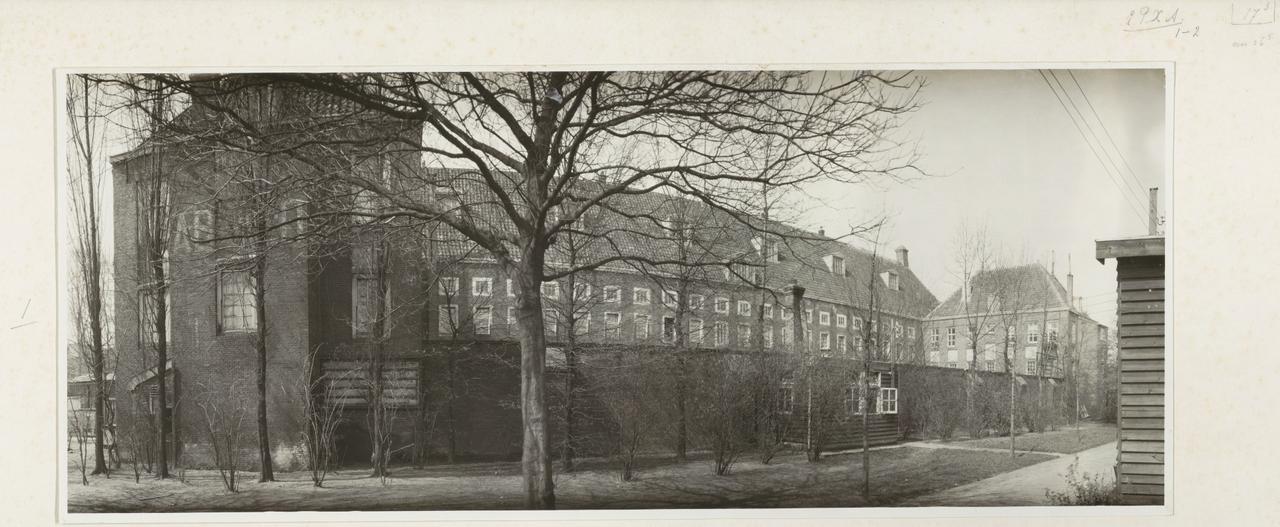
The Plague House was a rectangular building with a courtyard crossed by a small moat. Through this Pestloot, now known as Bosboom Toussaintstraat, plague victims were rowed from the Binnengasthuis in the city across the water to the Pesthuis. This ingenious approach served to prevent further spread of the disease.
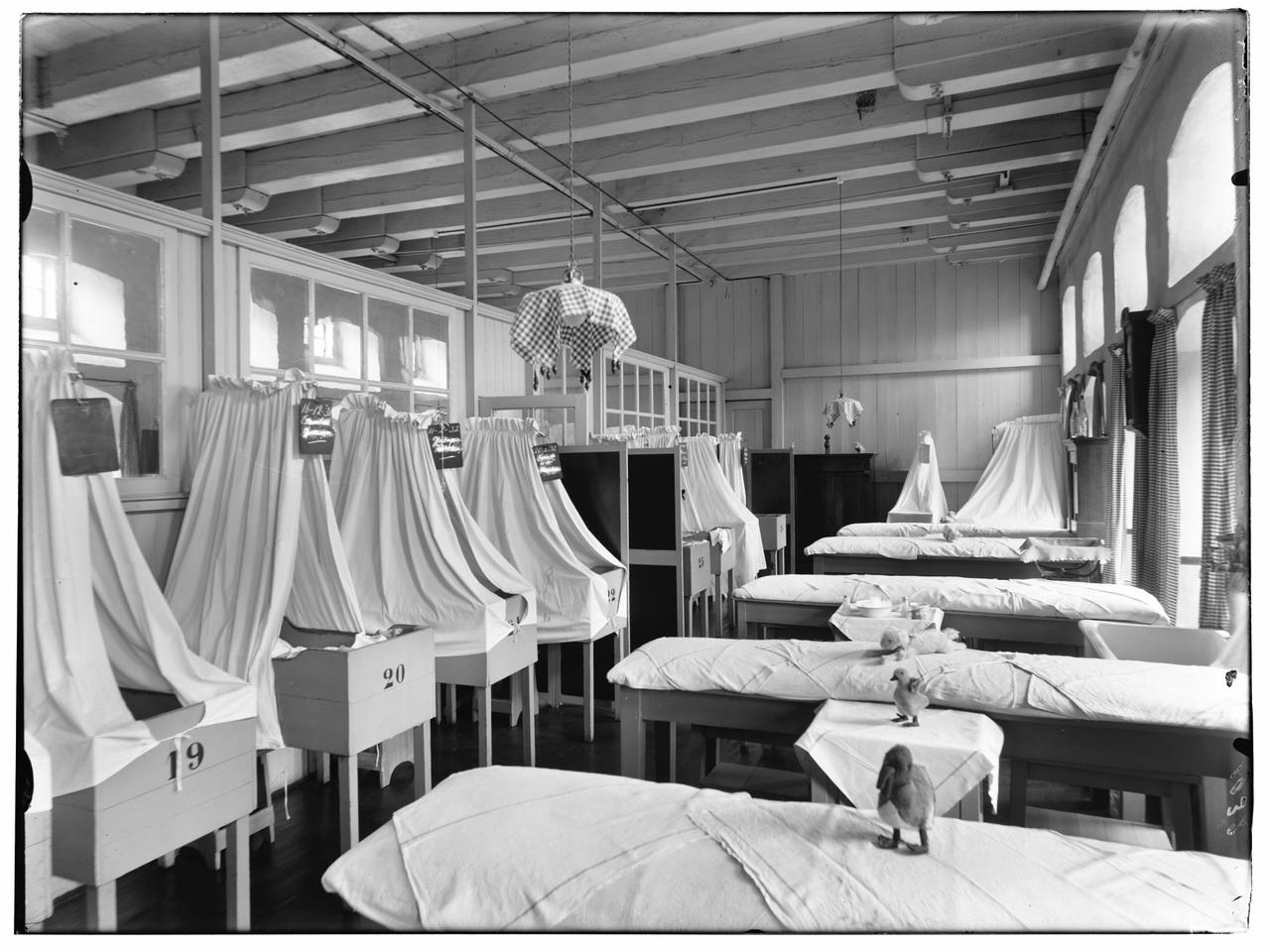
In time, the plague outbreak disappeared, but the Pesthuis continued to play a role in Amsterdam's healthcare system. It housed various categories of sick people that the city did not want in, such as the insane.
Any feedback for this story?