The Slavery History
In the 15th century, an era of discovery and conquest, the Portuguese laid the foundations for the first European colonies in Africa and Brazil. This act of expansion elicited a chain reaction among other European powers. The Netherlands, driven by the ambition of prosperity and influence, established Fort Elmina on the coast of present-day Ghana. This fort grew into a bustling trading centre, where Dutch merchants in a dance of power and diplomacy traded people for precious goods such as textiles and weapons with the powerful Ashanti kingdom.
Under the visionary leadership of Johan Maurits van Nassau-Siegen, the Netherlands transformed itself into a dominant force in human trafficking. Even after losing the lucrative colony of Brazil in 1654, the West India Company remained resolute in the slave trade, with Curaçao as the beating heart of this murky enterprise. Temporarily, the Netherlands even became the world's largest slave trader, a title symbolising both power and disgrace. Further east, in Asia, Dutch traders repeated this dark pattern by trafficking hundreds of thousands of people.
The Netherlands' influence in the transatlantic slave trade began to wane after 1750. Yet the economic impact of slave-made products continued to grow, a bittersweet legacy of a cruel practice. Around 12 million slaves were transported across the Atlantic by European traders during this period, with the Netherlands playing a significant role.
Slave societies were hotbeds of violence and inequality. In Suriname, where almost the entire population lived in chains, some escaped to the dense forests, formed communities called Maroons, and fought tirelessly against their oppressors.
A turning point came in 1795 with the uprising led by Tula in Curaçao. Fueled by the ideals of the French Revolution, he stood up for freedom but was brutally crushed, a tragic end to a valiant struggle.
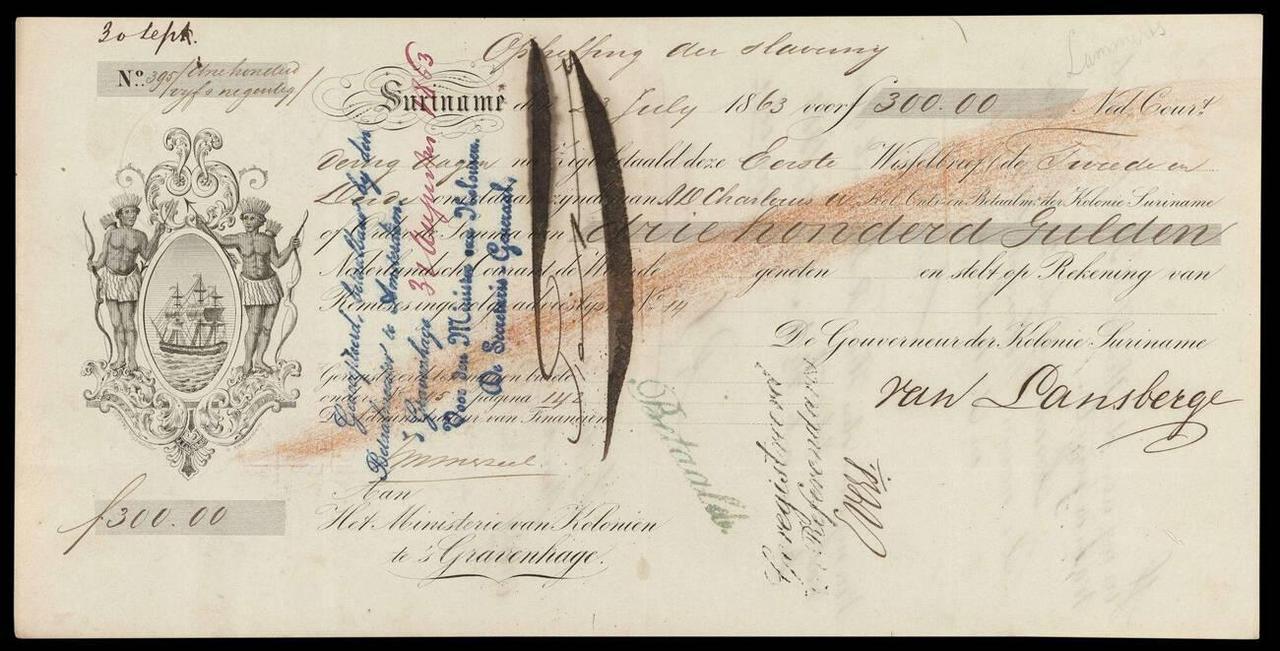
The abolition of slavery was a slow and arduous process. England took the first step in 1808, followed by the Netherlands in 1814. Finally, slavery was abolished in Dutch colonies in 1860 for the Dutch East Indies and in 1863 for the Atlantic colonies. Every year on 1 July, the Netherlands celebrates Keti Koti, a commemoration of this important milestone.
Awareness of the dark side of Dutch colonial history, including the Golden Age, is growing. 2022 marked a historic moment when former prime minister Mark Rutte formally apologised for the Netherlands' slavery past, a step towards recognition and healing.
Any feedback for this story?