Tuschinski Theater
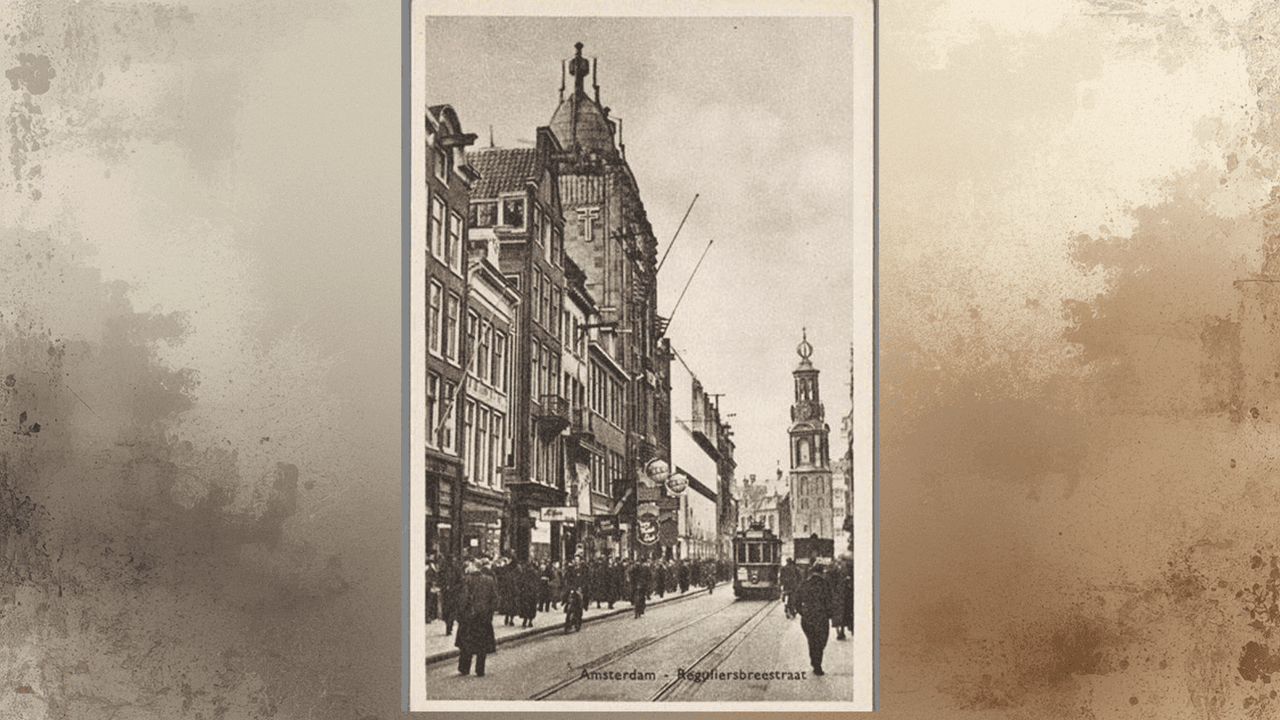
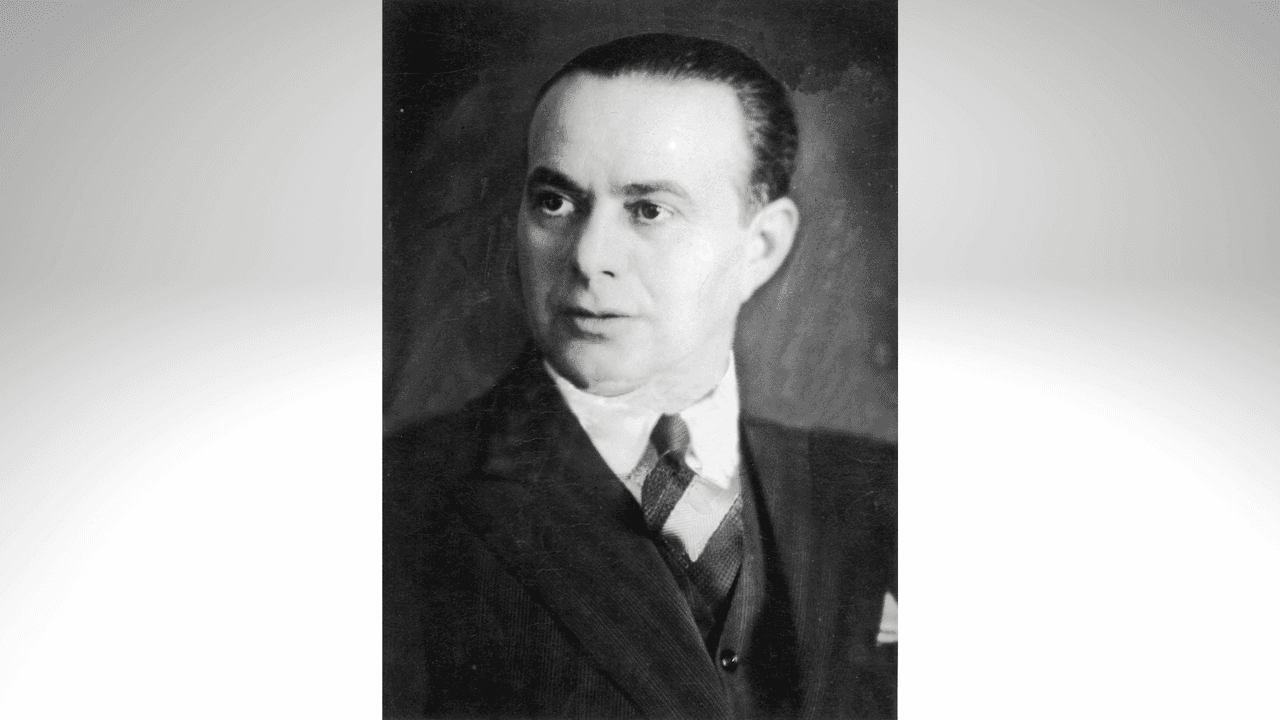
At Reguliersbreestraat 26, the film palace Theater Tuschinski rose between 1918 and 1921. The commissioner was the legendary Abram Icek Tuschinski (1886–1942), a Polish Jew who ended up in the Netherlands on his way to the United States, fleeing the pogroms. His career began in Rotterdam, with the operation of four cinemas and a hotel for migrants in transit to America.
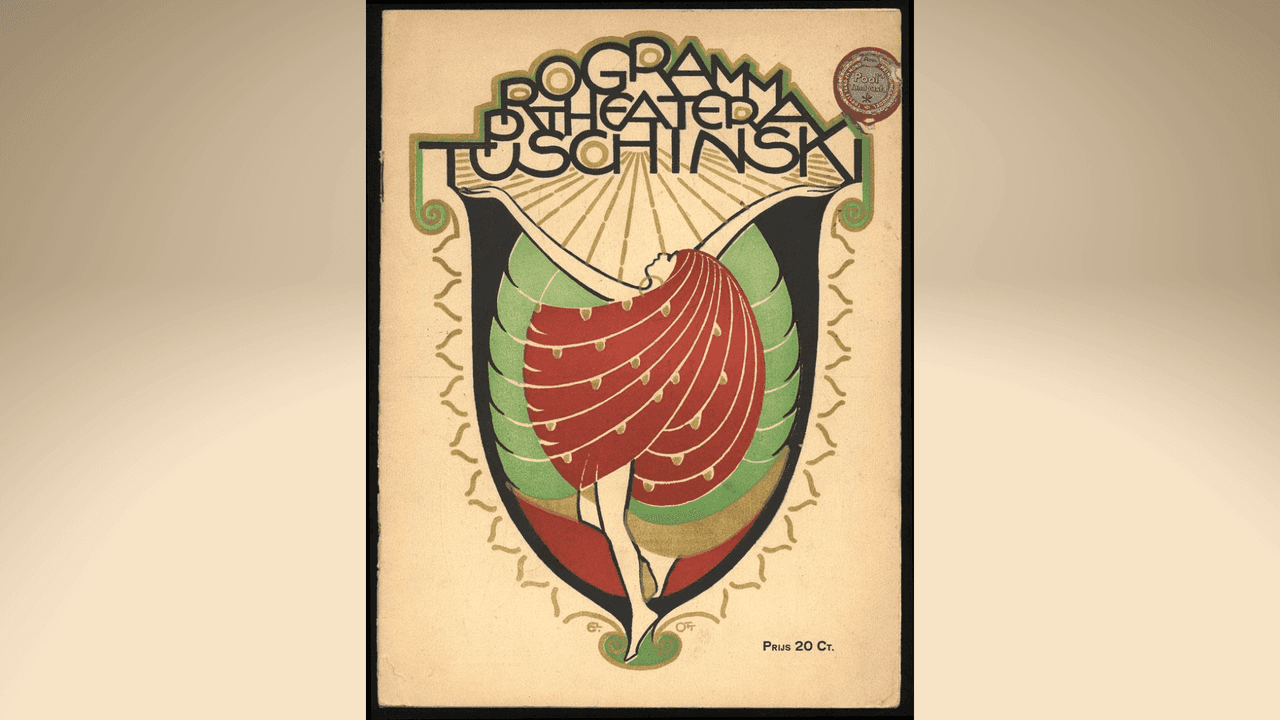
In 1917, he moved with his brothers-in-law, Gerschtanowitz and Ehrlich, to Amsterdam to make his dream come true: a film palace. As a location, Tuschinski chose the so-called Duvelshoek, a grim slum neighborhood in the city center which he bought up and demolished. Hijman Louis de Jong designed the cinema. But De Jong did not complete his commission: his collaboration with Tuschinski, who was not called the 'Napoleon of the Duvelshoek' for nothing, fell apart completely. Tuschinski modeled the building entirely to his own taste and brought in decorators who each left their own mark on the building. The result is a mix of styles: Amsterdam School, Jugendstil, Art Nouveau, and Art Deco.
Contemporary architects disparagingly spoke of 'plum cake architecture' and a 'frivolous film palace.' Nowadays, people are more enthusiastic: in November 2020, Pathé Tuschinski was voted the most beautiful classic film theater in Europe, Africa, and the Middle East by film experts.
Any feedback for this story?