Zeedijk
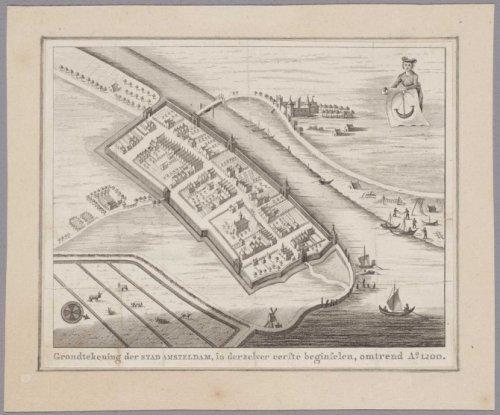
Here on Zeedijk, where you now stand, there once was a dike that protected Amsterdam from the waters of the Zuiderzee. The name still recalls those days when this street formed the border between the city and the sea. But as Amsterdam grew and the water was pushed back further, the function of Zeedijk changed. In the seventeenth century it was a place where rich merchants lived, but soon inns, pubs and brothels took over the street scene. Sailors from all over the world spent their evenings here, and the neighbourhood gained a rough reputation.
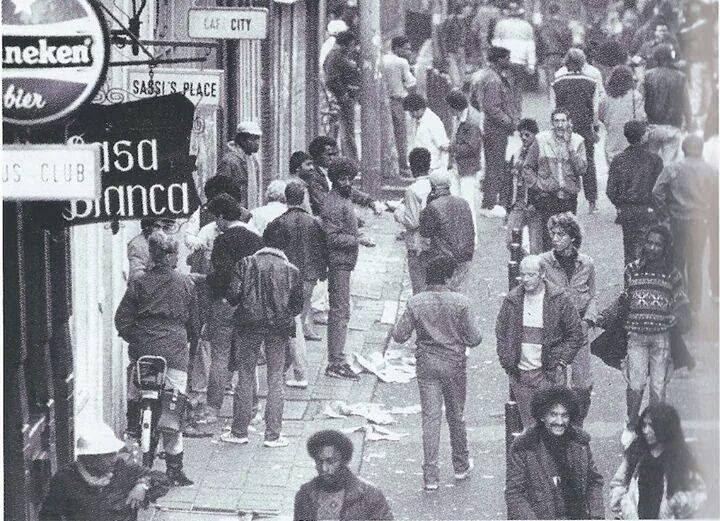
In the twentieth century, the Zeedijk became one of the most notorious streets in the city. Criminal gangs, gambling dens and illegal trade flourished. The situation got out of hand, especially in the ‘70s and ’80s. Heroin addiction increased dramatically and addicts roamed the streets. The Zeedijk was known as a dangerous area where violence and drug dealing took place openly. Many buildings became vacant or fell into disrepair, and for many this was a place you preferred to avoid.
Yet there was resistance. Residents and entrepreneurs refused to give up on the street and worked with the municipality to clean up the neighbourhood. Drug dens were closed, buildings were renovated and new initiatives were given space. Slowly but surely, the Zeedijk took on a different look. In the 1990s, the rise of tourism brought new energy, and the street once again became a lively place, full of restaurants, cafes and shops.
Yet the Zeedijk is always changing. Mass tourism brings new challenges, and the balance between liveliness and inconvenience remains a point of attention. But if you look around here, you see a street that is constantly reinventing itself—a place with a long history that always grows with the city.
Any feedback for this story?