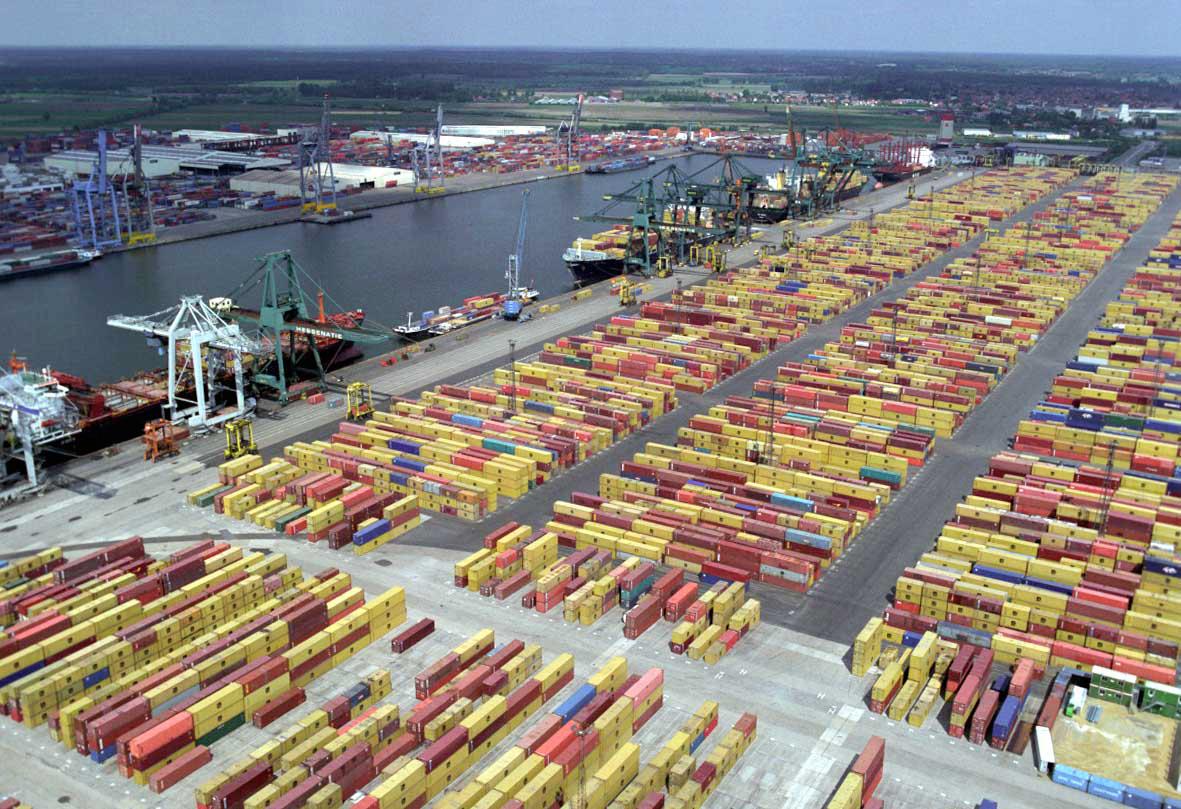
Antwerp's Port
The port of Antwerp has been the beating heart of the city for centuries. Historically, trade here was tied to sugar refining and diamond cutting, and in modern times the automobile industry became another important pillar. Even Napoleon Bonaparte recognized Antwerp’s strategic value and ordered canals and waterways to improve trade.
Its position on the Scheldt made the city particularly valuable. But this strategic location also led to conflicts. The Netherlands and Belgium long disputed the use of the river and access to the North Sea. When the Spanish rulers closed off Antwerp’s trade in the past, the city fell into decline. Yet each time, Antwerp managed to recover and reclaim its place in the European economy.
However, not all trade through the port is legal. In recent years, Antwerp has increasingly been linked to drug trafficking, especially cocaine. In 2021, tons of cocaine were intercepted, but estimates suggest that only a fraction of the total smuggling is actually stopped. This has a clear impact on crime in Belgium and beyond.
More and more Belgians are calling for stricter measures, even suggesting a “war on drugs,” similar to the policy the United States launched in 1971. Keeping the port safe while preserving its economic importance remains a major challenge.
Any feedback for this story?