Congolese exhibition
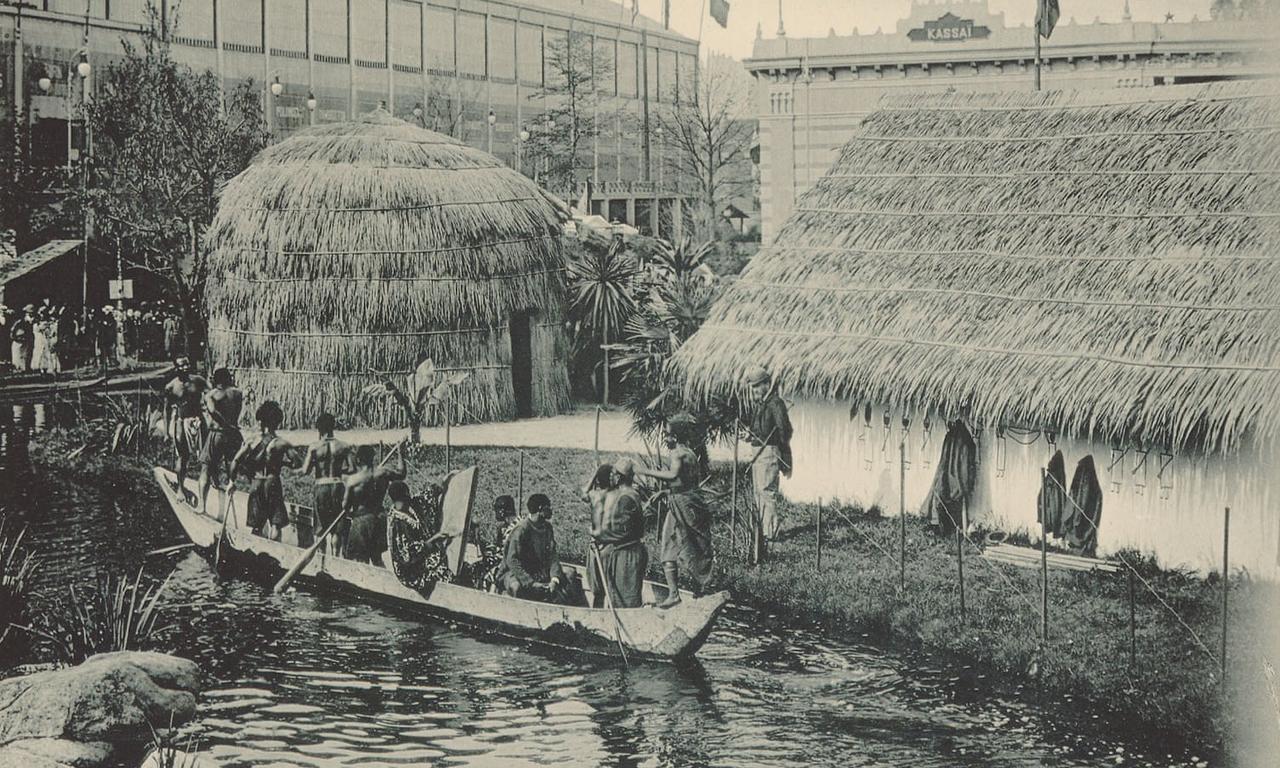
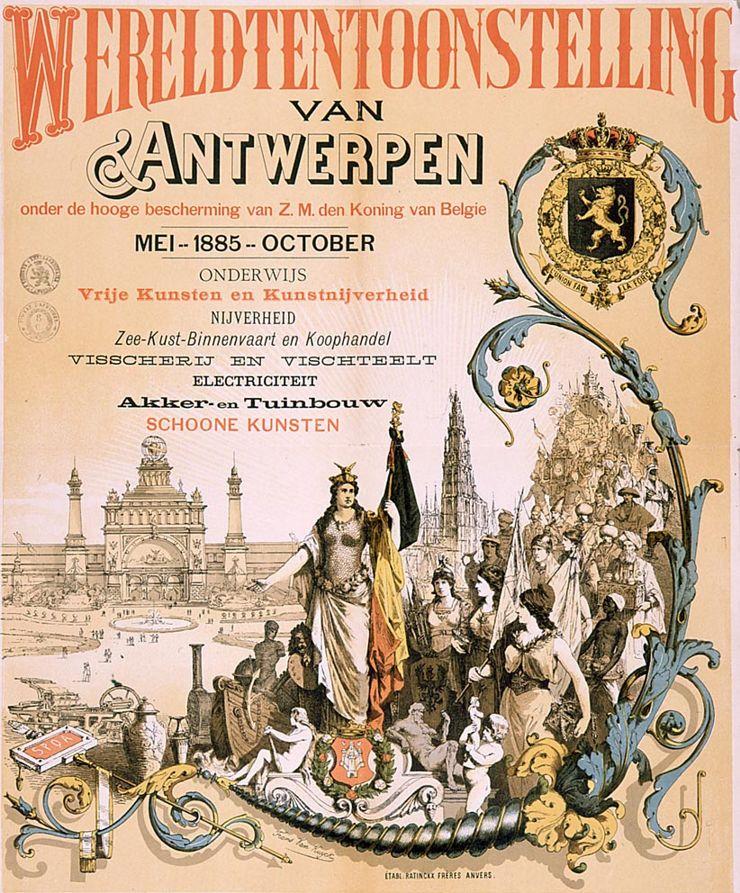
Here, in front of what is now the Museum of Fine Arts, stood a so-called “Congolese village” during the 1894 Antwerp World’s Fair. It was meant to showcase King Leopold II’s colonial “civilizing mission” in the Congo Free State.
For this spectacle, 144 Congolese people were brought to Antwerp. During the day, they were forced to demonstrate their “daily life” and crafts for visitors, reenacting so-called primitive scenes. After closing hours, they were taken back to wooden military barracks near the former Brialmont fortifications. For this humiliating task, they received a small daily allowance.
The stay was harsh and unsafe. 44 of them became seriously ill and had to be hospitalized. At least eight Congolese did not survive. Their names are partly known: Bitio, Sabo, Isokoyé, Manguesse, Binda, Mangwanda, and Pezo. The youngest was seventeen, the oldest thirty-one. Some died soon after arrival from dysentery; others succumbed in the months that followed.
They were buried at the Kiel cemetery. When that cemetery was cleared in 1936, their remains, along with many others, were moved to an anonymous mass grave at Schoonselhof. No memorial, no name, just forgotten history.
What was once presented as an attraction at the World’s Fair is now a painful reminder of the colonial past and the dehumanizing way people were displayed as “exotic entertainment.”
Any feedback for this story?