Palace on the Meir
The Paleis op de Meir in Antwerp was built between 1745 and 1748 as a city palace for merchant Johan Alexander van Susteren. It is a fine example of rococo architecture, with an elegant façade and richly decorated interiors.
In 1811, Emperor Napoleon Bonaparte purchased the palace. He aimed to turn Antwerp into an important military port and saw the building as his imperial headquarters. Napoleon had the interiors redesigned and furnished in Empire style, but he never stayed there. By the time the renovations were completed, he had already been exiled.
After Napoleon's fall, the palace came into the hands of King William I of the Netherlands. He had a large hall decorated with the coats of arms of the Dutch provinces. After the Belgian Revolution in 1830, the palace was assigned to the Provisional Government. Belgium's first head of state, regent Erasme-Louis Surlet de Chokier, briefly used it as his residence.
In 1831, the palace's balcony played a central role during the Joyous Entry of Leopold I, Belgium’s first king. Over the years, it hosted other important guests, including Queen Victoria and Winston Churchill. During World War I, King Albert I stayed there for a time after fleeing Brussels. The palace became his temporary residence.
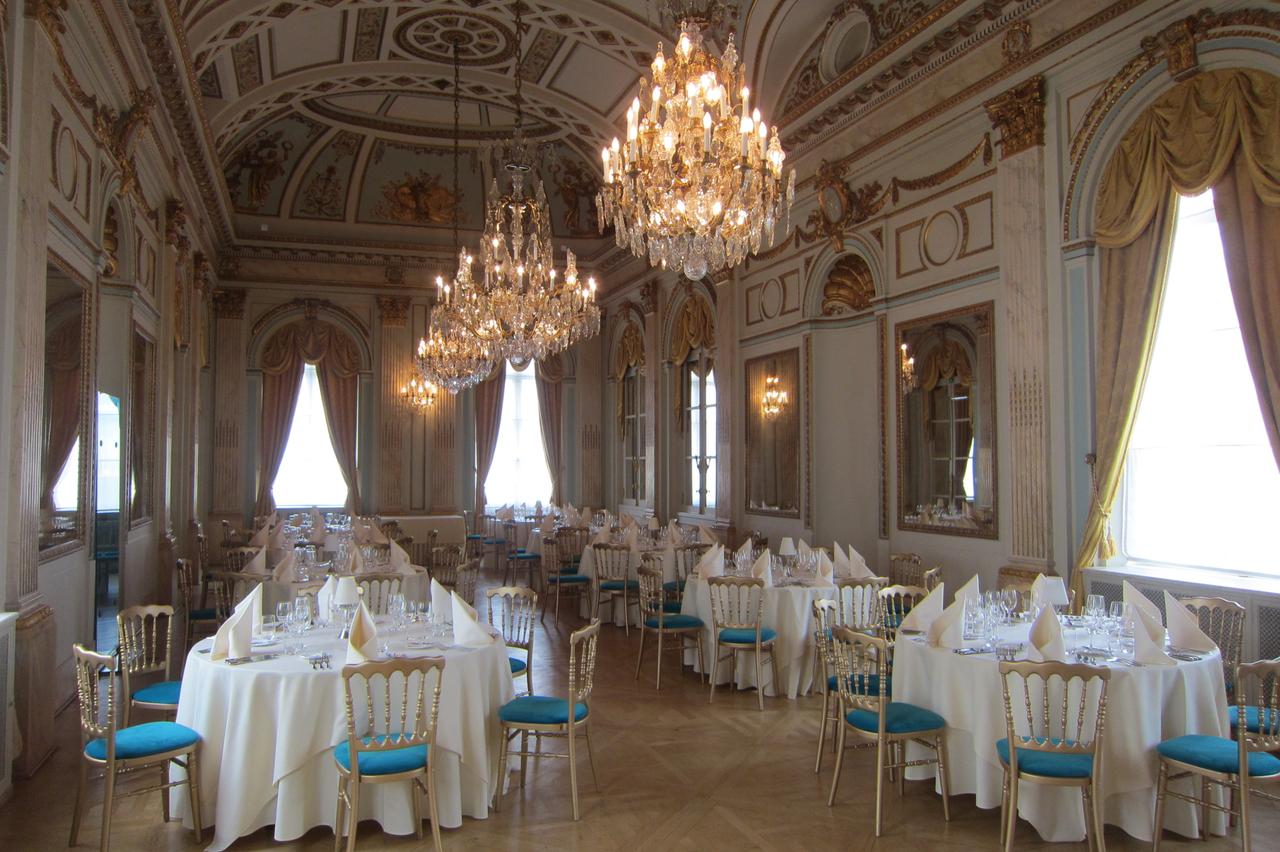
Later, King Leopold II added the Mirror Hall, inspired by Italian ballrooms. In 1969, King Baudouin donated the palace to the people. Today, it is open to the public and serves as a space where history and architecture meet.
Any feedback for this story?