The construction of the citadel
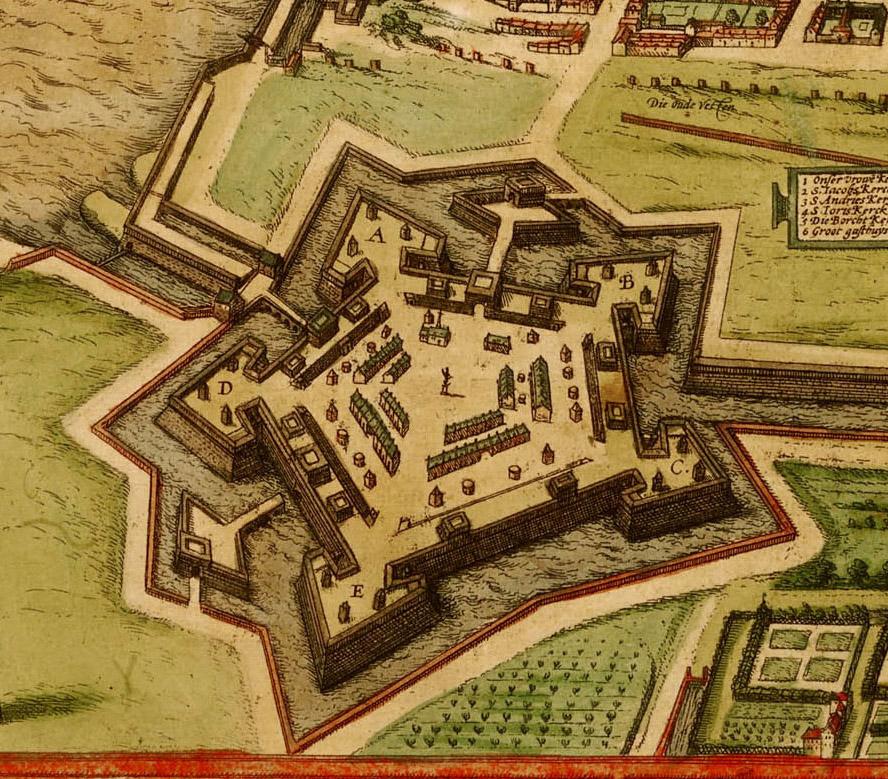
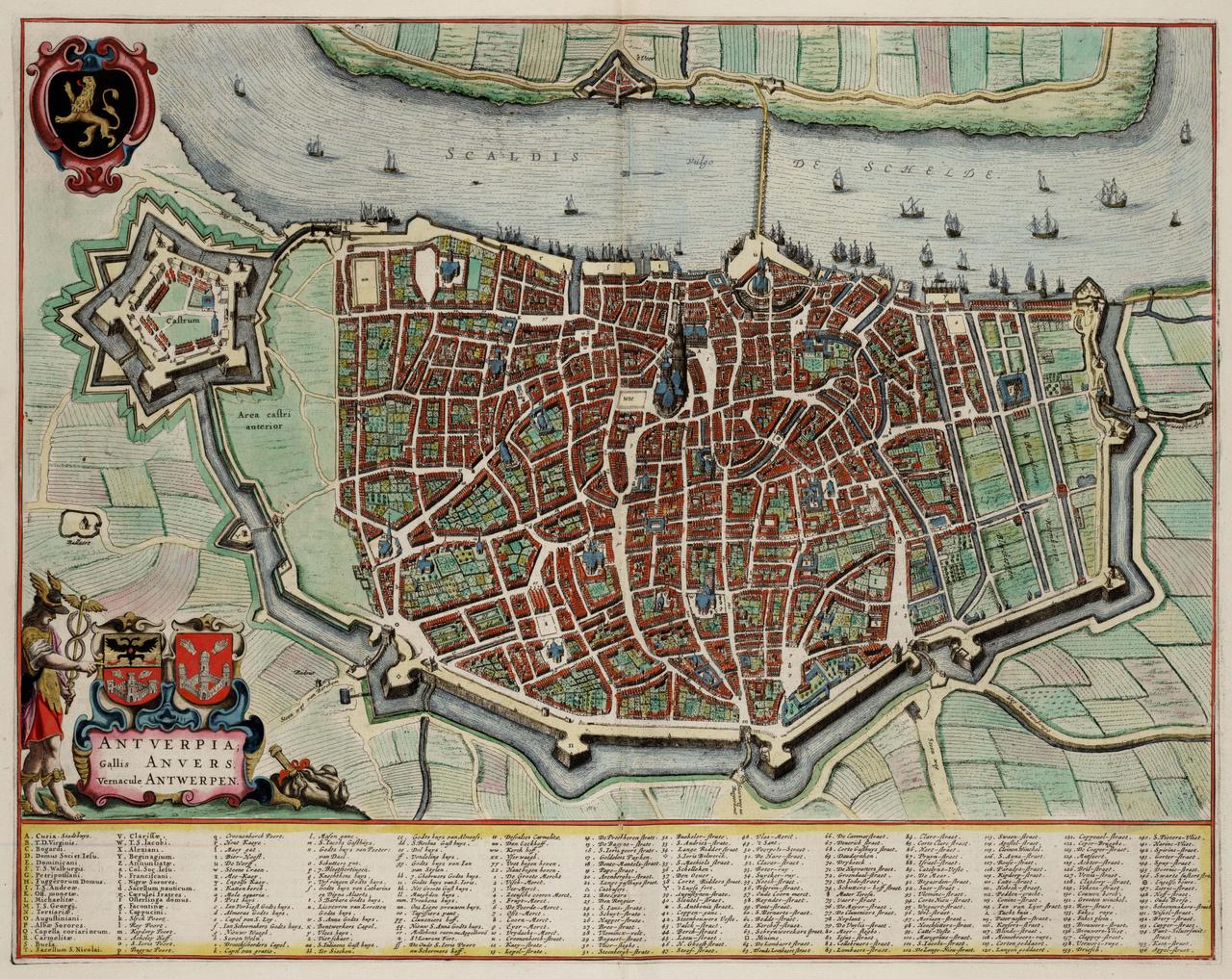
We stand in the Het Zuid district, on the site of the former Citadel of Antwerp – an imposing star-shaped stronghold built between 1567 and 1572 by orders of the Duke of Alva and King Philip II. Designed by Italian engineers, it featured a five-pointed layout with bastions named Hernando, Toledo, Paciotto, Alva, and Duc. The citadel was not meant to defend the city but to keep the citizens of Antwerp under control after the Iconoclasm.
In 1576, the fortress became the launching point for the Spanish Fury, a brutal sacking of the city. A year later, rebel citizens seized it and began dismantling parts of its structure. The citadel was rebuilt after the fall of Antwerp in 1585, remaining a symbol of Spanish domination for centuries.
During the Belgian Revolution of 1830, the fortress remained under Dutch control. In the 1832 Siege of Antwerp, French forces commanded by Marshal Gérard fought against General Chassé in a 25-day siege. Eventually, Chassé surrendered, and the citadel lost its military significance.
From 1874 to 1881, the citadel was demolished to make way for the new Het Zuid quarter, with its wide boulevards and cultural institutions – including the current Royal Museum of Fine Arts. Today, rare parts of its walls have been excavated and preserved.
Any feedback for this story?