Camp Nou
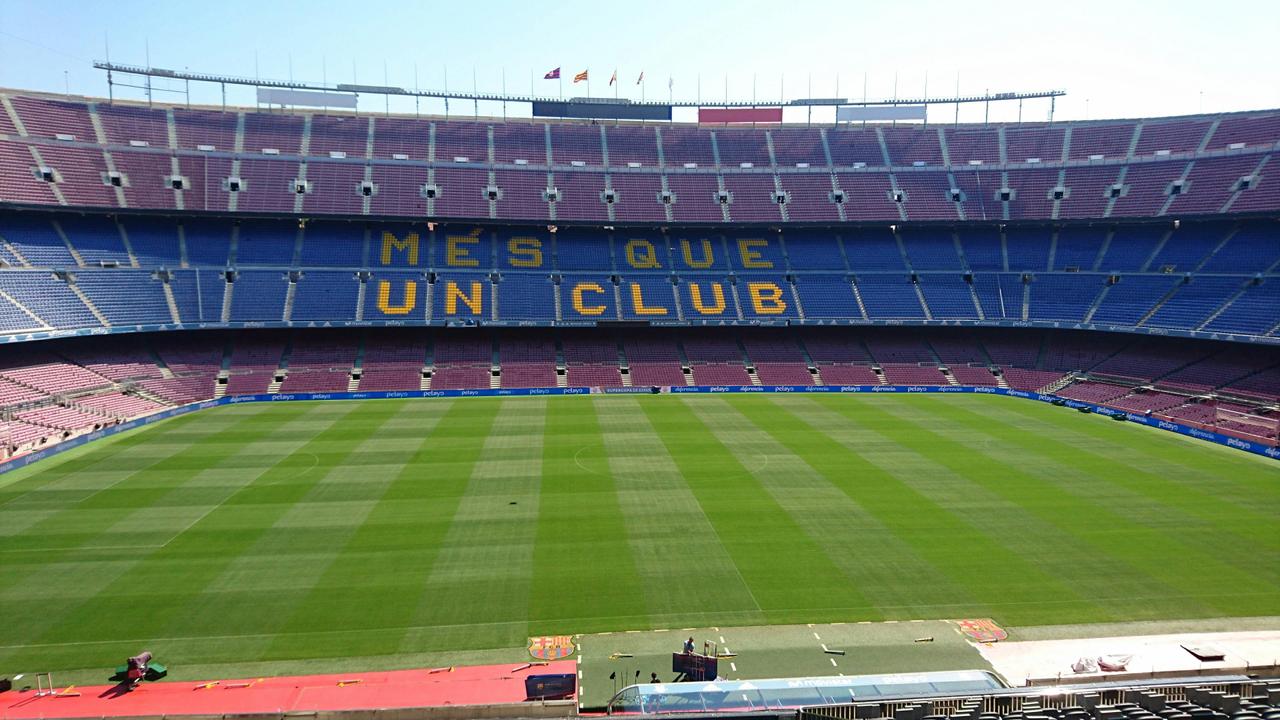
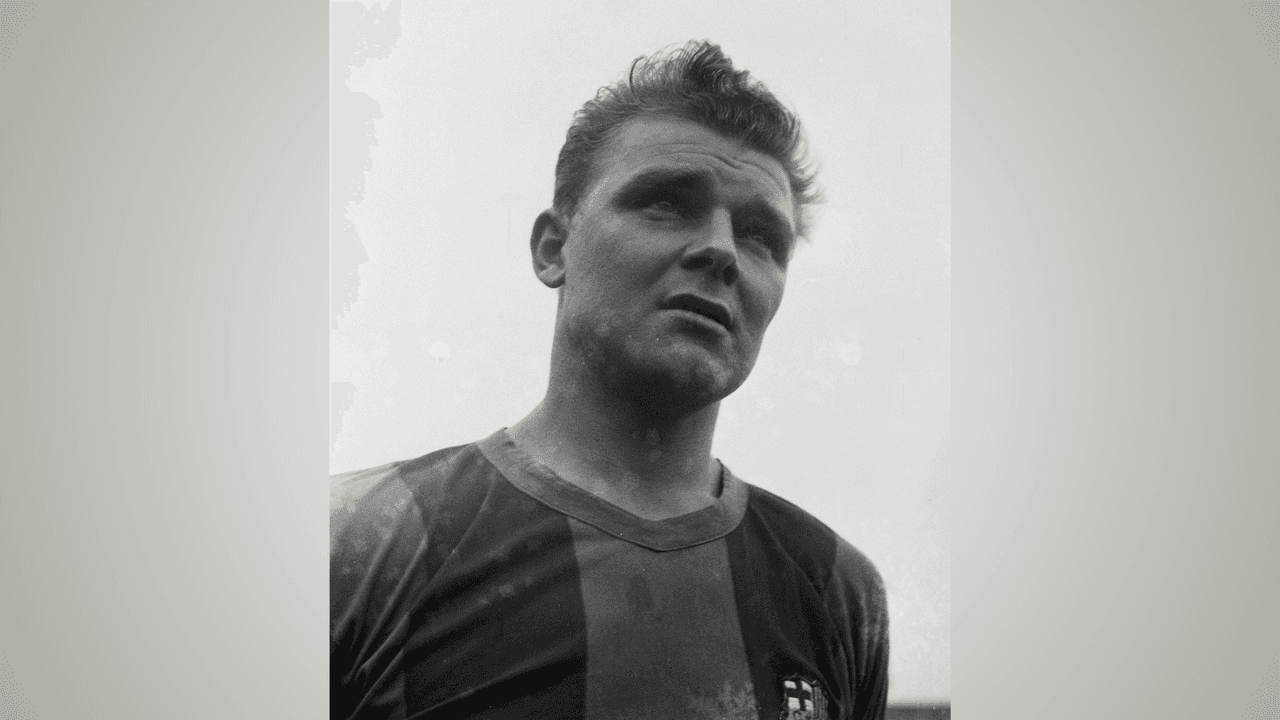
When Hungarian star László Kubala joined FC Barcelona in 1950, his arrival was so electric that the old stadium simply couldn't hold the crowds anymore. Even after several expansions, the ground was bursting at the seams. Barcelona had no choice but to build something completely new.
Construction started in 1954 and the original budget was 66 million pesetas. By the time the stadium opened on September 24, 1957, the bill had ballooned to 288 million, leaving the club deep in debt for years. Architects Mitjans and Soteras designed a revolutionary oval shape with continuous stands and no open corners. The name "Camp Nou," Catalan for "new field," was never the official name at opening. Supporters simply started using it to distinguish it from the old ground, and it stuck.
Over the decades, Camp Nou hosted World Cup matches, two Champions League finals, an Olympic final, and even a papal mass before 120,000 people. Look around for the statue of Kubala near the stadium. He earned it.
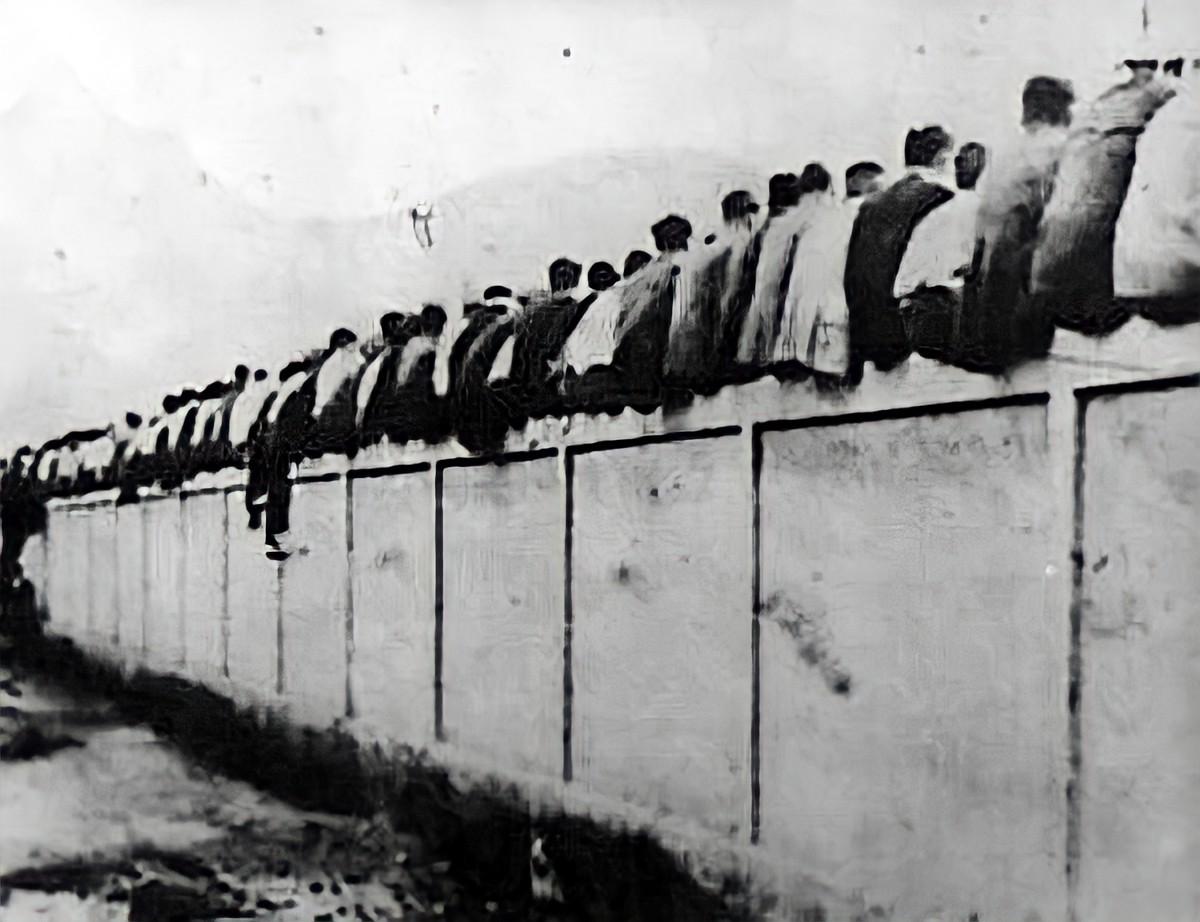
Oh and by the way, Barcelona and ‘Buts’ have a great connection and we've added a photo so you can see it. Before Camp Nou existed, Barcelona played in a much smaller ground where fans packed the walls so tightly that people walking outside could only see a row of bottoms sticking over the top. In Catalan, "cul" means bottom, so locals started calling the supporters "Culés," the bottom club. Barcelona fans still wear that nickname with pride today.
Any feedback for this story?