Carrer de Montcada in El Born
You are walking along Carrer de Montcada, a street that shows how Barcelona reshapes its own history.
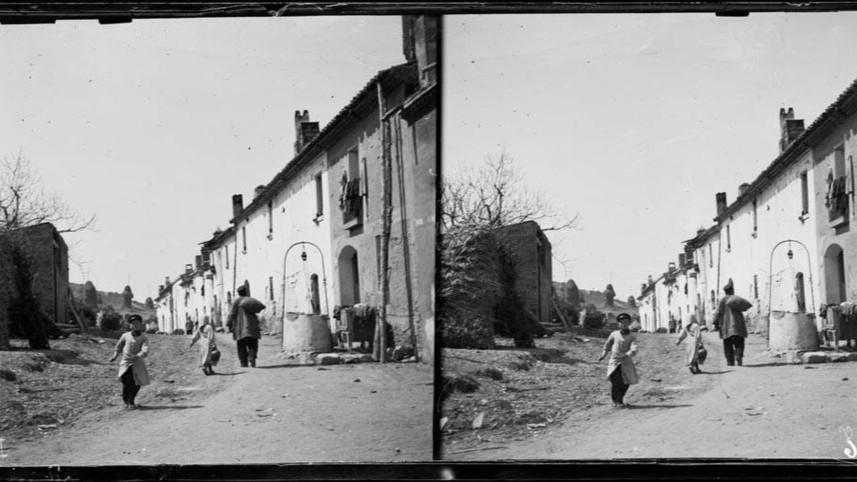
As we move here from the Gothic Quarter, the space opens slightly. The buildings feel more ordered, the rhythm less compressed. This street developed between the 13th and 15th centuries, in what was a central area of trade in medieval Barcelona, part of the growing city of Barcino transformed through the Middle Ages.
These houses were built by merchant families involved in Mediterranean commerce. They are often described as palaces, but what we are really seeing are "casas grandes", large urban houses that were expanded over time through accumulation and adaptation, not monumental aristocratic residences.
Look at the façades. Thick stone walls, tall windows, interior courtyards hidden behind heavy doors. These were not static buildings, they changed constantly, reflecting shifting ownership, wealth, and family networks.
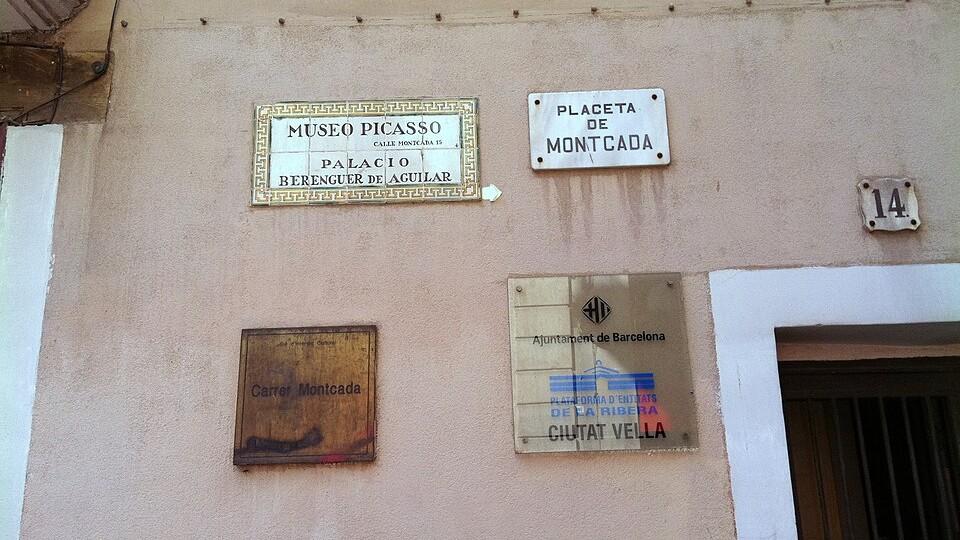
Many of them now house cultural institutions, including the Picasso Museum, but the street itself has not been reconstructed into something new. It has been interpreted, sometimes idealized.
What we see today is also the result of a later transformation of the city's image, when parts of Barcelona were reworked into what is now called the Gothic Quarter, sometimes blending restoration with reconstruction, and at times adding medieval features that were never originally there.
This is why Carrer de Montcada feels unusual. It is both authentic and interpreted, historical and curated at the same time.
We slow down here. The light softens between the façades, and the street holds a quieter rhythm than the dense alleys nearby.
From here, we are already in El Born, where the medieval city begins to open into a different layer, one shaped by trade, transformation, and reinterpretation of its own past.
Any feedback for this story?