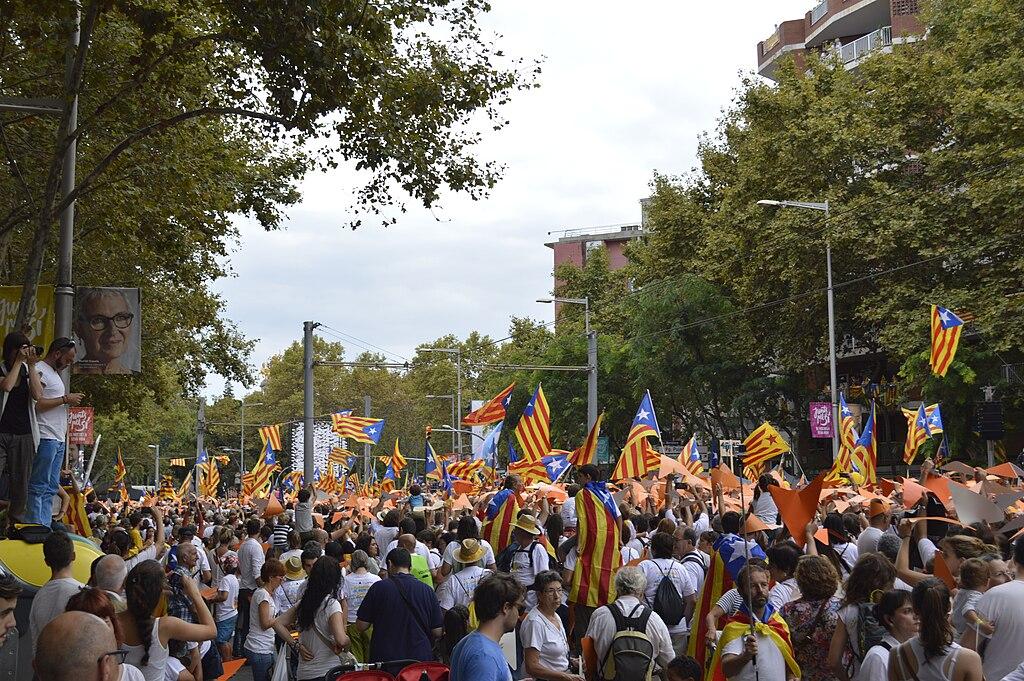
Catalonia Day (La Diada)
Every September 11, the streets fill with red and yellow flags as thousands gather to remember the day Catalonia lost its independence. Along the ancient walls of the Gothic Quarter, the siege ended on September 11, 1714. For 14 months, the city had resisted the combined armies of Spain and France during the War of the Spanish Succession. Rafael Casanova, the chief councillor leading the defense, fell severely wounded as enemy forces breached the walls at dawn. Over 30,000 bombs had fallen on the city.
The defeat changed everything. King Philip V imposed the Nueva Planta decrees in 1716, abolishing institutions that had governed Catalonia since medieval times. The Catalan Courts, the Generalitat, and the Council of One Hundred disappeared. The Catalan language was banned, universities were shut down except one loyal town, and a military fortress called the Citadel was built with cannons pointing at the city as a symbol of control.
The first commemoration took place in 1886. Franco banned all celebrations from 1939 to 1975, but Catalans kept the memory alive in secret. After his death, over a million people demonstrated in 1977 demanding self government. In 1980, La Diada became an official holiday when the Catalan Parliament passed it as their first law. Fossar de les Moreres near Santa Maria del Mar became a memorial site where defenders were buried.
Any feedback for this story?