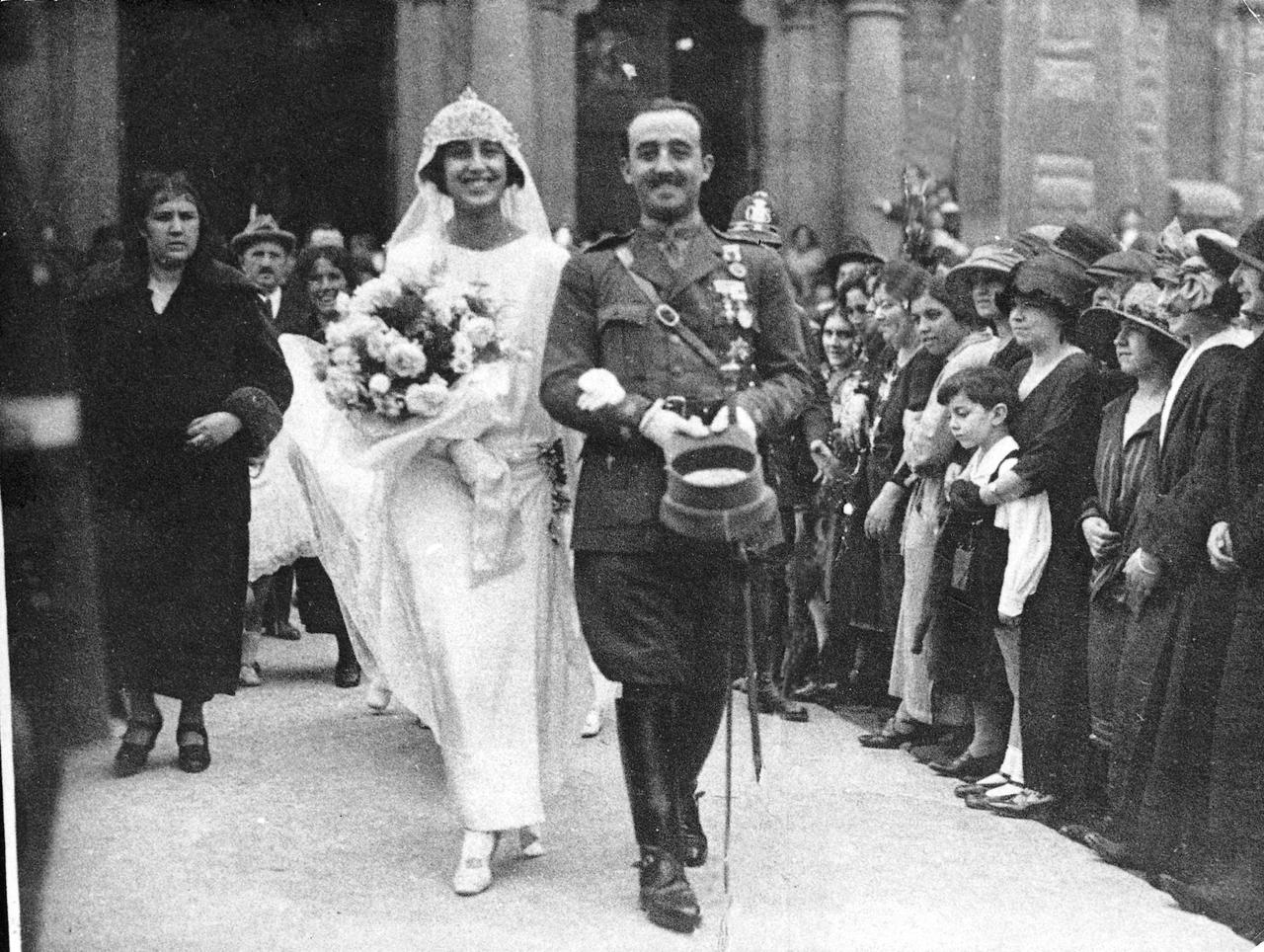
Franco's dictatorship
It all started with victory in 1939, but what followed was 36 years of silence enforced through fear. General Francisco Franco seized control of Spain after a brutal Civil War that killed hundreds of thousands and divided the nation into winners and losers. His dictatorship became one of Europe's longest, lasting until 1975. Along the tree-lined avenue of Passeig de Gràcia, where elegant modernist buildings stand today, the reality was far darker under Franco's rule. The Catalan language was banned from every school, government office, and public space.
Children were punished for speaking Catalan in playgrounds. Students had to report classmates who used their native tongue. Even Catalan names for newborns were illegal. Books in Catalan were burned, cultural institutions shut down, and the regional flag outlawed. The regime executed over 100,000 political opponents in its first years alone. Anyone displaying Catalan symbols or celebrating the national day La Diada faced arrest and brutal treatment.
City hall officials were ordered to denounce leftist colleagues, creating a culture of fear and mistrust. Yet resistance survived in whispers. Families preserved their language behind closed doors. Underground movements like the Assemblea de Catalunya formed in churches to organize opposition. Artists including Joan Miró and Antoni Tàpies embedded Catalan identity into their work using symbols and abstract forms that censors couldn't easily ban. When Franco finally died in 1975, the transition to democracy began, and Catalan culture re-emerged from the shadows.
Any feedback for this story?