History of La Rambla
The street beneath your feet was once a flowing sewer that drained an entire medieval city. For centuries, this channel carried rainwater and waste from the Collserola Mountains straight to the sea, serving as both drainage system and defensive moat along the old city walls. Stretching 1.2 kilometers from Plaça de Catalunya to the old port, this famous boulevard tells the story of radical transformation. The name comes from the Arabic word ramla, meaning sandy riverbed, a linguistic trace from the brief Moorish presence in the region.
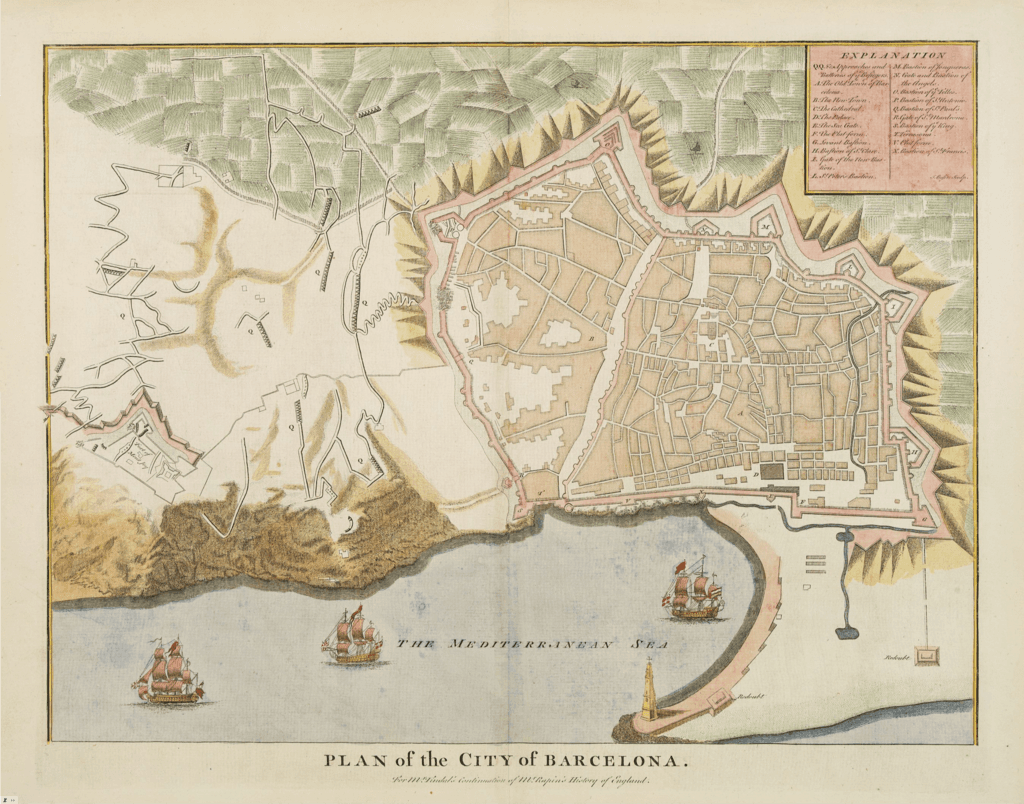
In 1285, King Pere II built a second defensive wall that left this waterway just outside the fortifications. By the 15th century, authorities diverted the stream and paved over its path, creating the foundation of the avenue that exists now. Religious orders moved quickly to claim the newly available land. Capuchin, Jesuit, and Carmelite monasteries lined the street, giving each section its distinct name. Everything changed on July 25, 1835, when violent anti-clerical riots erupted during Spain's civil war.
Revolutionaries burned most convents and churches, killing several friars in the chaos. The destruction cleared space for new landmarks. The Boqueria market rose on the grounds of the burned Sant Josep convent in 1840. The Gran Teatre del Liceu opera house opened in 1847. Workers planted the iconic plane trees in 1859, and the Columbus Monument was erected in 1888 for the Universal Exhibition.
Any feedback for this story?