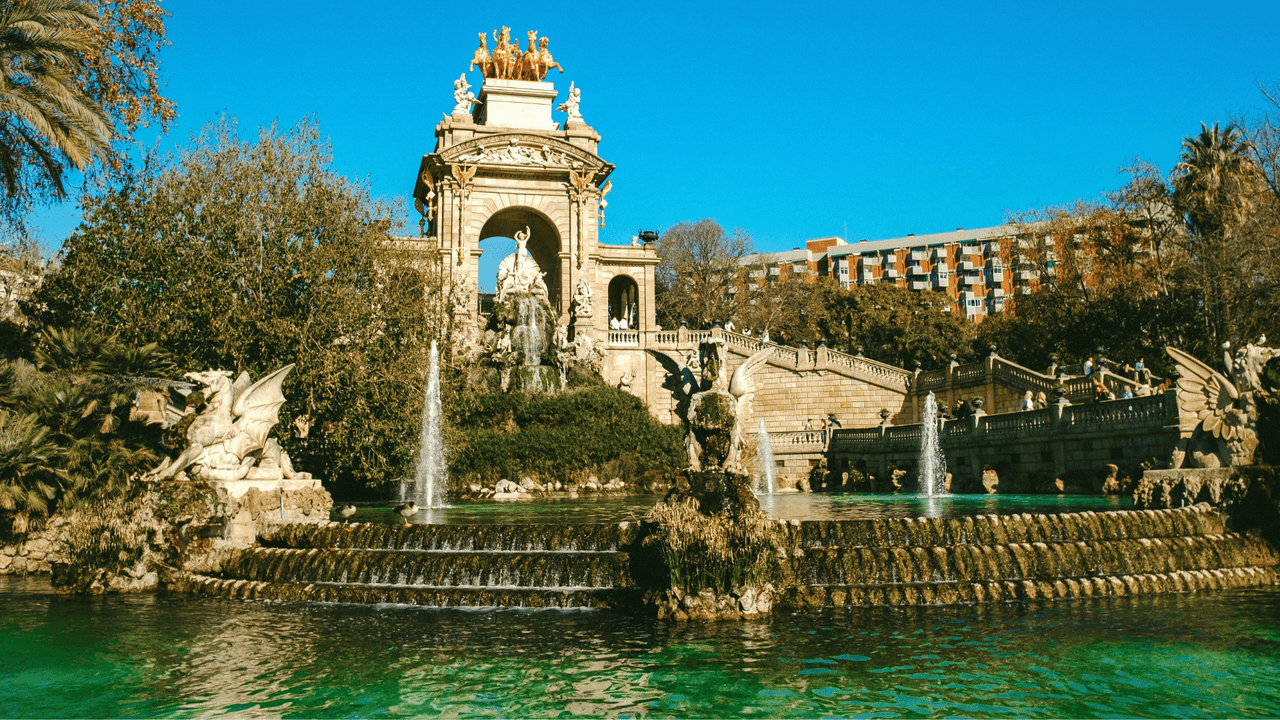
La Ciutadella
What stands before you was once a prison disguised as protection. At the northeastern edge of the Ciutat Vella district lies Parc de la Ciutadella, a green expanse built on the ruins of Europe's largest 18th-century fortress. La Ciutadella began as an instrument of oppression. In 1714, after a brutal 13-month siege during the War of Spanish Succession, King Philip V of Spain conquered the city and immediately ordered construction of a massive military citadel.
To build this star-shaped fortress, over 1,200 homes in the La Ribera neighborhood were destroyed, forcing thousands into homelessness. Residents were conscripted to labor on the very walls meant to control them, working for 3 years while others paid a punishing new tax called el cadestre to fund their own subjugation. The citadel could house 8,000 troops and stood for over 150 years as a constant reminder of defeated resistance. Citizens despised every stone of it.
When General Prim finally handed the fortress to the city in 1869, volunteers rushed to tear it down with their bare hands. Architect Josep Fontseré reimagined the space for the 1888 Universal Exhibition, designing the monumental waterfall with help from a young student named Antoni Gaudí. Only 3 structures from the original fortress remain: the chapel, the governor's palace now a school, and the arsenal that houses the Catalan Parliament.
Any feedback for this story?