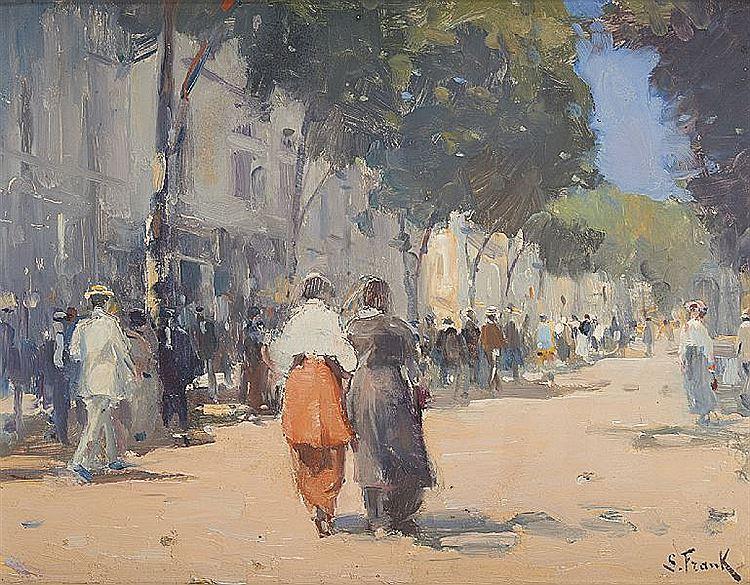
La Rambla
In the heart of Catalonia's capital runs a 1.2 kilometer boulevard that was once an open sewer locals called the Caganell, or shit stream. This tree-lined promenade connecting Plaça de Catalunya to the Mediterranean shoreline is La Rambla, one of Europe's most walked streets. The name comes from the Arabic word ramla, meaning sandy riverbed. During medieval times, rainwater from the Collserola Mountains created a seasonal stream that carried waste away from the walled city.
The flow marked the western boundary where the old town met what would become the Raval neighborhood. In the 15th century, city authorities diverted the water and paved the empty channel. Religious orders quickly claimed the new boulevard, building convents and monasteries along its length. The Capuchins, Jesuits, and Carmelites all established their presence here.
Everything changed on July 25, 1835. Anticlerical riots swept through the street as revolutionaries set fire to the religious buildings, killing friars and destroying centuries of ecclesiastical architecture. Where the Sant Josep convent once stood, La Boqueria market now thrives. The burned remnants of another convent became the foundation for the Gran Teatre del Liceu, which opened its doors in 1847 as the city's premier opera house.
Any feedback for this story?