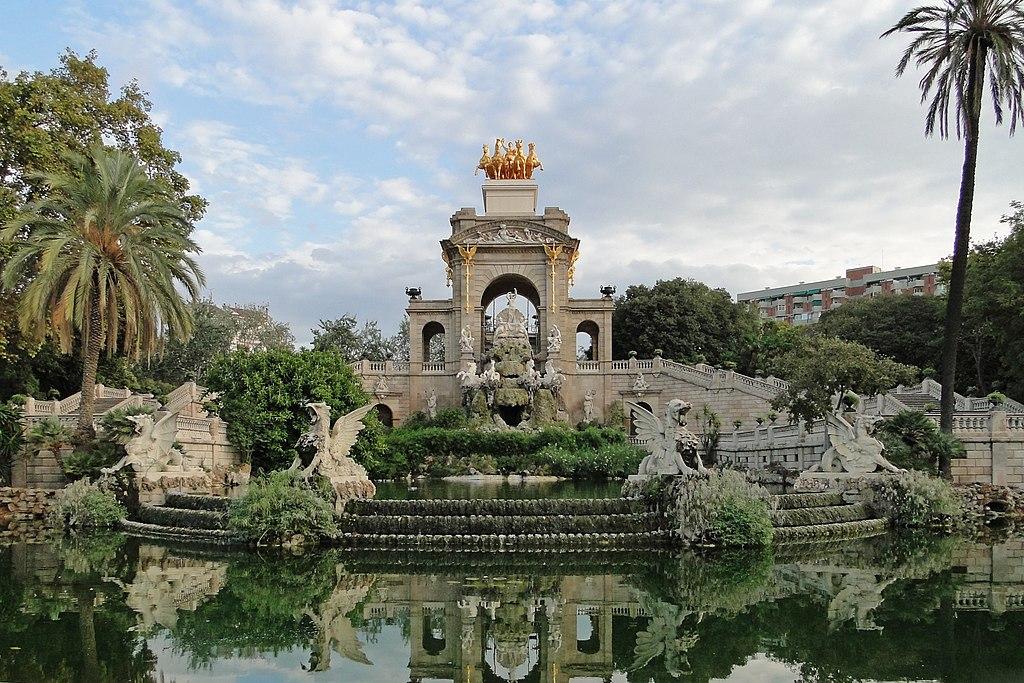
Parc de la Ciutadella
In the heart of Catalonia's capital lies a park born from a fortress that once symbolized oppression and control over an entire population. At the northeastern edge of the old city, where the Gothic Quarter meets open green space, Parc de la Ciutadella stands on land that held Europe's largest military fortress. In 1714, after a brutal 13 month siege during the War of Spanish Succession, Philip V conquered the city and immediately ordered construction of a massive citadel.
Nearly 1,000 homes in the Ribera neighborhood were torn down to make room for this five cornered fortress designed to house 8,000 soldiers and prevent any future Catalan rebellion. The citadel remained a hated symbol of central Spanish control for over 150 years. In 1869, General Prim handed the fortress to the city with one condition: it must become a public park.
Citizens volunteered to demolish the walls, reclaiming their land. Architect Josep Fontserè designed the transformation in 1872, creating the city's first and only green space for decades. The park was redesigned for the 1888 Universal Exhibition. The monumental waterfall fountain became its centerpiece, designed by Fontserè with help from a young architecture student named Antoni Gaudí.
Only three original citadel buildings survived: the chapel, the Governor's palace, and the arsenal that now houses the Parliament of Catalonia.
Any feedback for this story?