Parc de Montjuïc
On this ground lies the stone that built the Sagrada Familia, Santa Maria del Mar, and La Pedrera. Overlooking the Mediterranean from a 177 meter hill southwest of the old quarter, Parc de Montjuïc transformed from an ancient quarry and military fortress into one of Europe's most celebrated urban spaces. The name Montjuïc translates to Jewish Mountain, named after the medieval Jewish cemetery discovered here. For centuries, workers carved rock from this hillside, extracting the pale stone that shaped the architectural identity of an entire city.
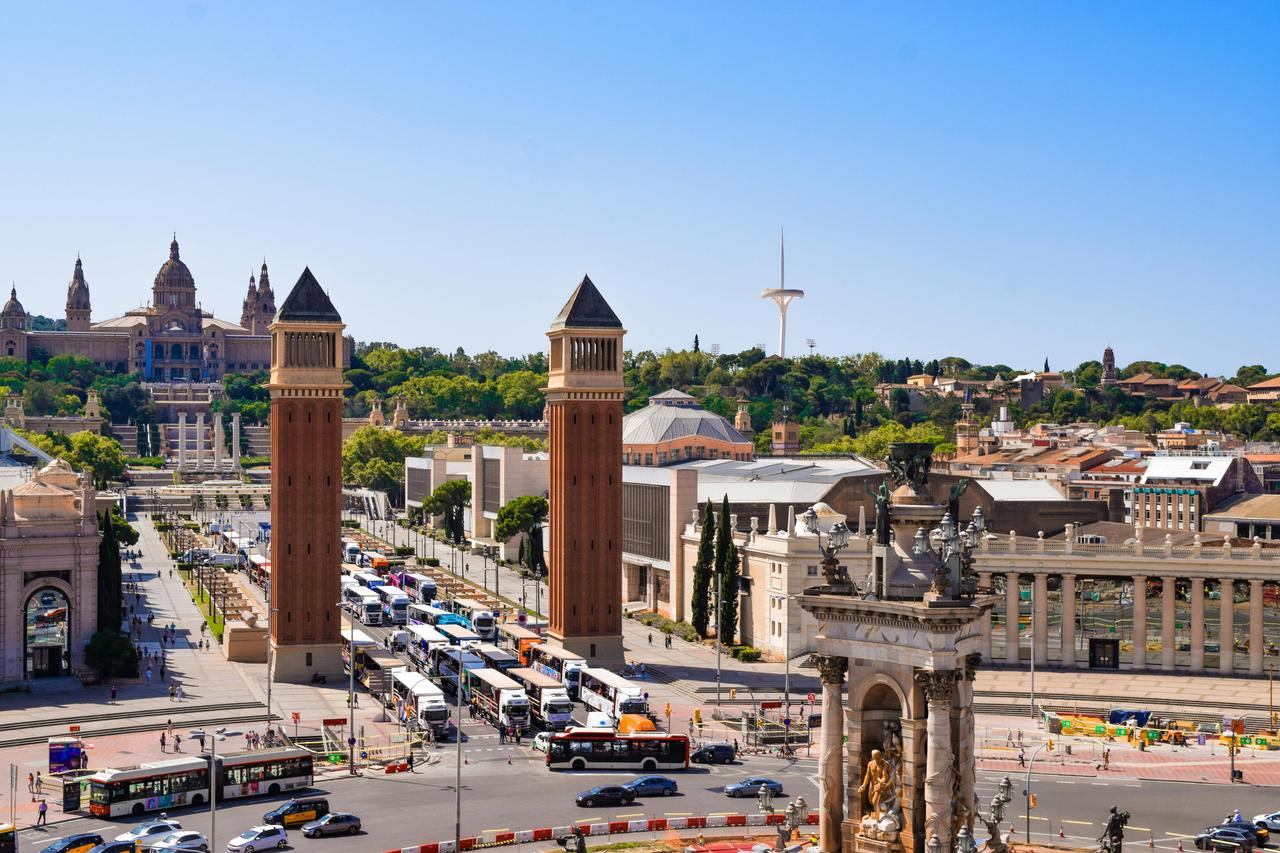
The quarrying dramatically altered the mountain's shape, leaving behind the steep cliffs visible today. In 1929, the International Exposition turned the isolated mountain into a cultural showcase. Over 5.8 million visitors witnessed the unveiling of the Palau Nacional, the Magic Fountain designed by engineer Carles Buïgas, and the Olympic Stadium. What began as a temporary exhibition became permanent infrastructure that redefined the urban landscape.
The 17th century castle atop the mountain served darker purposes during the Spanish Civil War, functioning as a prison for political opponents. In 1992, the Olympics transformed Montjuïc again. The stadium, originally constructed for the 1929 Exposition, hosted the games opening ceremony, completing the mountain's evolution from industrial quarry to global stage.
Any feedback for this story?