The origins of the Catalan Parliament
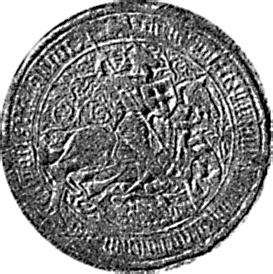
One of Europe's oldest parliaments was born in a royal compromise that changed the course of democracy. In 1283, King Peter III of Aragon granted the Catalan Courts the power to pass laws alongside the monarch, making it the first parliament in Europe to officially obtain legislative rights. This revolutionary system meant the king could no longer make laws or levy taxes without the consent of representatives from the clergy, nobility, and towns.
Inside the grand neoclassical building at the heart of Parc de la Ciutadella stands the home of this enduring democratic tradition. The palace has a turbulent history. It was built between 1717 and 1727 as a military arsenal for the fortress that King Philip V constructed after conquering the city on September 11, 1714. In 1889, architect Pere Falqués transformed it into a royal palace, adding decorative elements and balconies to the facade.
When the Spanish Republic granted Catalonia self governance in 1932, this building became the Parliament's official seat. The institution went into exile in 1939 following the Spanish Civil War and remained absent for four decades. It finally returned in 1980 when democracy was restored, allowing 135 elected deputies to resume the legislative work that began seven centuries earlier.
Any feedback for this story?