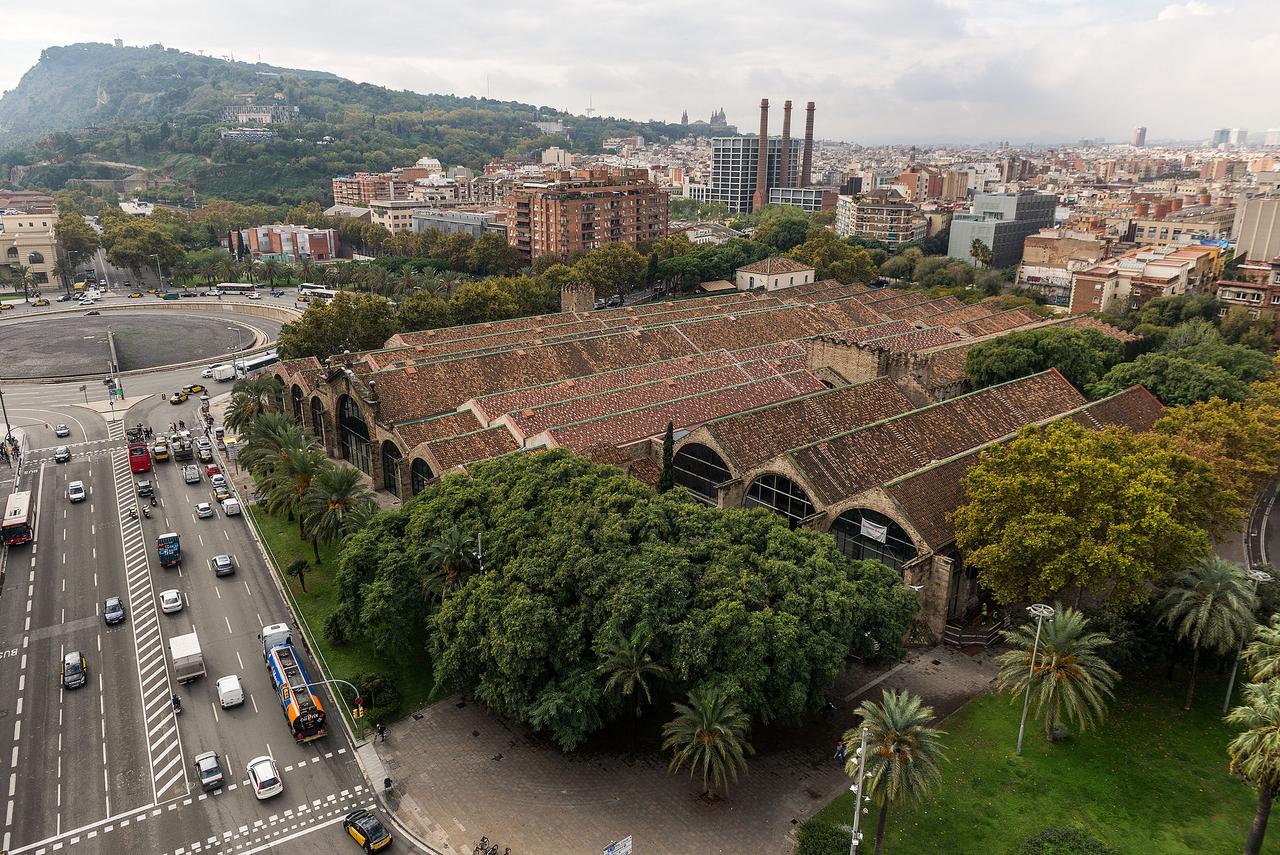
The shipyards of Barcelona
In the late 1200s, massive stone vaults began rising from the beach to house a new kind of factory, one that would build an empire's war fleet. At the foot of Montjuïc mountain, where ancient walls meet the waterfront, these Gothic halls became the beating heart of Mediterranean power. The Drassanes Reials, Royal Shipyards, take their name from the Arabic daras sina'ah, meaning house of shipbuilding.
King Peter III of Aragon founded them in the 13th century to construct galleys, the warships that dominated sea battles for centuries. Inside the vast stone chambers, craftsmen assembled vessels up to 60 meters long, powered by dozens of oars the size of tree trunks. History conceals a secret here. Excavations in 2012 revealed the building you see is not medieval at all but a 16th century reconstruction. When a new harbor altered ocean currents, flooding ruined the original shipyard.
Builders moved operations inland and faithfully recreated the Gothic design simply because it worked best for building ships. These workshops produced the royal galley that carried John of Austria to victory at Lepanto in 1571, the final great battle fought entirely by rowing vessels. That single day saw 30,000 deaths and broke Ottoman naval dominance forever. The military used the shipyards as an arsenal until 1936, when they opened as the Maritime Museum.
Any feedback for this story?